Veterinary Alert
Vesicular Stomatitis cases on the rise in Southwestern U.S.
As of July 11, 2019, Vesicular Stomatitis Virus (VSV)-Indiana serotype has been confirmed in three states: Colorado, New Mexico and Texas. At this time, all reported cases have been horses and no other livestock have been reported to be affected. VSV-Indiana serotype has not been diagnosed in the U.S. since 1998. All VSV cases from 2004-2016 have been VSV-New Jersey serotype. There are no documented cases of VSV in Minnesota.
Nationally, 44 premises in 12 counties are currently under quarantine because they have been classified as either confirmed or suspect for VSV. Once a county is confirmed as VSV-positive, new equine premises presenting with clinical signs of VSV in that county are not required to be tested for confirmation of the disease, and the premises is quarantined and classified as a suspect premises. Premises with animals diagnosed with the disease are quarantined until at least 14 days after the last affected animal is diagnosed.
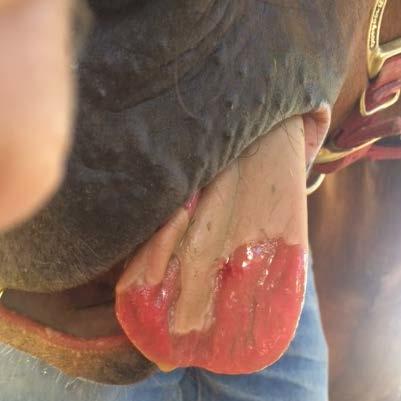
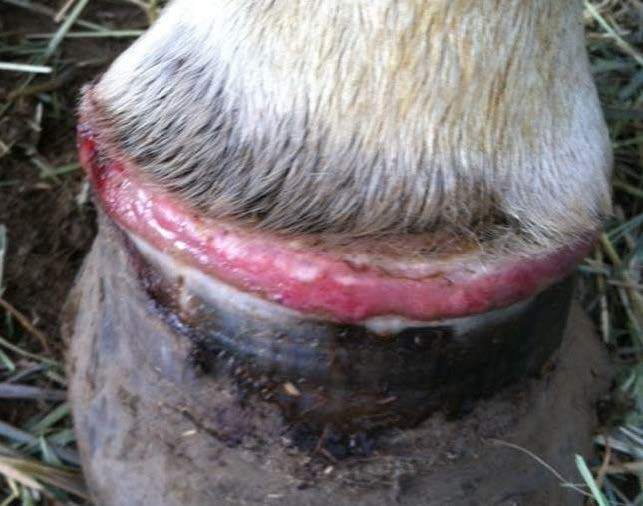
The Board of Animal Health (BAH) advises livestock producers and veterinarians to closely observe horses and other livestock for signs of VSV, especially those being imported from affected counties and states. VSV can affect horses, cattle, pigs, sheep and goats. Clinical signs include:
- Slobbering.
- Blisters and sores.
- Sloughing of skin on the mouth, feet and udder.
- Anorexia.
- Weight loss.
- Lameness.
The disease is transmitted by sand flies, blackflies and midges. The virus can also be spread through direct contact with an infected animal and contact with contaminated equipment and tack. Insect control, including elimination of insect-breeding habitats is the most important step in preventing spread of disease. Biosecurity also plays a key role in decreasing transmission, especially because vaccines are not available in the U.S.
VSV is significant because it's clinically indistinguishable from serious foreign animal diseases including foot and mouth disease. Practitioners or producers suspecting VSV should contact the BAH, which will investigate and determine if samples will be submitted to the National Veterinary Services Laboratories for disease confirmation.
Credit: Maggie Baldwin
Credit: Maggie Baldwin
Having trouble viewing this email? View it as a Web page.
|