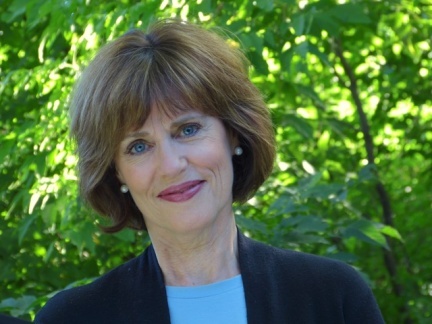
Mariann Johnson has worked as an organization development consultant and mediator with national leaders of Fortune 500 companies, government agencies and nonprofit organizations. Since 2011, she has designed and taught mindfulness programs throughout the United States and consulted on the design of Mindful Leadership and mindfulness at work programs in corporate, professional and academic settings.
We interviewed Mariann about her thoughts on self-care, both for conflict resolution practitioners and anyone interested in developing their self-care approach.
Mariann, how do you define self-care?
Self-care is how we keep ourselves “well-resourced.” What does that mean? It’s about how we create and maintain a capacity in body, mind, heart, and spirit to function well. We need to use an “all hands on deck” approach to self-care especially when you consider the research on how the degree to which Americans are feeling stressed right now.
What brings about the feeling of self-care for you may be different than for those around you. It’s about what feels like care based on your current and unique life circumstances, your family situation, your age, etc.
There are some fundamentals though. Good sleep is an essential. Some physical movement, daily if we can – even if it’s shoveling snow or gardening - is good for us. We need to eat nutritious foods to fuel our brain and body. Maybe you pray, meditate or work on hobbies you love to better handle your emotions. The 2023 Surgeon General’s report showed that isolation is fatal – it’s like smoking 15 cigarettes a day. You might just have a handful of people in your life that you connect with. That’s okay. It’s the quality of trust and emotional connection that you have with others that matters most, not the number of people in your personal network. So having good, supportive connections is very important to good self-care.
At its core, self-care is about central nervous system regulation so we can withstand the winds of the day and the inevitability of stress and change.
Now, if we are fearful, if we are feeling immobilized because we don’t have stable housing or food – that can set off a chronic stress in the body that doesn’t allow us to get “renourished.” All the self-care in the world doesn’t help if I am in a situation where I don’t have the basic things I need to feel safe and secure. Disparities can’t be overlooked when we are talking about accessing good self-care.
When you are facilitating or mediating where there is a lot of conflict, how do you take care of yourself in the moment and after the fact?
Whether we are mediators or at the family table and challenging political discussions come up, how do we stay resourced? Years ago, when my mentor and I were working in conflict situations, I noticed he would occasionally pause, slowly take off his glasses, get up, and go look out a window. It was sometimes just for a minute or two, but he was getting re-grounded. When he came back to the group, not only was he more present, but he also gave the group a momentary pause - where they could also regroup. I learned a lot from that. Today, I might refer to what he was doing as taking an intentional or mindful pause - it was a moment of good self-care and good group care.
Once in a public meeting, there were two rather powerful figures yelling at each other. I thought there might be a fistfight…I didn’t know what was going to happen. I got up, extended my arms and hands out toward each of them and said, “Stop! You, go over there. And you, over there.” “Sit down.” I was forceful and clear and attentive to caring for the entire group, but I wasn’t angry. In that moment, because I was well-resourced with my own self-care practices, I could match their energy but not feed it. Maybe I had a good breakfast that day or it was the cumulative effect of a regular meditation practice - I just remember I felt very grateful that I had what I needed at that moment to be resourceful and helpful to the process.
By working through some fiery situations, I also learned how helpful it can be to work with a co-mediator or co-facilitator. When one of us is stressed, the other one can step up. We can help to balance our own and the group’s energy that way. Through self-care, we can care for the group and the process.
How should we balance self-care with caring for others?
This is an overused metaphor, but I am going to use it. Put the oxygen mask on yourself first. People think self-care is selfish – but it’s one of the farthest things from selfish. The most effective leaders and mediators are the most well-resourced. They know how to take good care of themselves. And taking good care of ourselves has a profound ripple effect on others.
Are there resources you recommend for conflict resolution practitioners to help them stay grounded so they can be their best personally and professionally?
We have a lot of resources at the University of Minnesota’s Bakken Center for Spirituality & Healing, where I now work and teach. Here are a few recommendations.
|