|
Early research and practice around organizational diversity suggested that diverse teams were better than homogenous teams at developing creative, innovative ideas and that employee diversity itself improved organizational performance. Newer research suggests that a climate of inclusion is a necessary ingredient for helping diverse employees work effectively together. Without a culture of respect and positive regard for one other, diverse teams may not perform their best. Importantly, when people are included, harmful conflict can be prevented.
Ashikali et al. (2021) found that people feel a sense of inclusion when they can say that their leader encourages them to:
- discuss diverse viewpoints and perspectives
- treat colleagues as equal members of the team
- prevent team members from using stereotypical thinking about colleagues
- learn from their colleagues’ backgrounds
- use differences as a source for creativity and innovation
The key in both inclusive leadership and culturally competent conflict resolution practice is not to ignore difference but to use it for the good of the team.
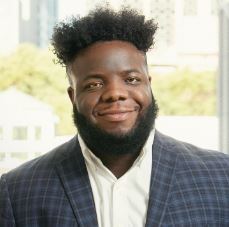
The following is an interview with Scottie Carter, Director of Diversity, Equity, Inclusion and Belonging (DEIB) at the Minnesota Department of Health. Mr. Carter was trained as a lawyer and has expertise in alternative dispute resolution (ADR).
How has your background in mediation, conciliation, and conflict resolution supported your work at MDH in fostering a culture of inclusion?
It’s allowed me to see that you need to have space for conflict, a space to work through things. I’ve learned that when you work things through [instead of avoiding conflict], it helps people feel safe, brave, and courageous. You only know if a ship works as intended if you test it. Will it actually float? But we tend to be so academic. We need to make sure that the theory of inclusion can be proven in practice. Conflict resolution skills can help make a space feel truly inclusionary.
The inclusion literature focuses a lot on managers’ roles in creating an inclusive climate. What can employees do to include their colleagues and create a sense of belonging?
A primary step is to have empathy. Not like sympathy or pity, but the kind of empathy where you understand others and connect to their experiences. You have to hear people with your ears, your mind – sometimes with your heart. You need to do some self-reflection about things that matter to you. Then realize that others may have similar issues and concerns as you, so you start to resonate. Inclusion can start there.
What’s so hard about having difficult conversations?
Hard conversations are like a pool. The water is cold at first, but you have to jump in. You are not going to drown. The pool is not that deep.
In conversations, people think, “I need to do this perfectly – it has to be 100/100.” But there’s no such thing as perfect. I make mistakes. You make mistakes. We can have humility and grace. It also comes back to being courageous. On topics like race or microaggressions, people think they need to know exactly what to say. They don’t want to be seen as racist or sexist. Instead, it’s helpful to think, “I might not get it right the first time, but I am working at it.”
Anything else you’d like to share?
You don’t have to be afraid [of hard conversations, of difference]. You can just start by being curious.
|
What do a law professor, a nonprofit leader, and a mayor have in common? They will all be speaking at an exciting new event, the Mediation and Restorative Services (MARS) 1st Annual Summit, on April 25th, 2024. The event’s topic is “Rebuilding Community: Developing Alternative Ways to Resolve Conflict. Featured speakers are locally- and nationally-known experts in mediation and restorative justice.
Event details
Sign up soon – breakout sessions have limited capacity!
Practice
-
Training: Find out more about Cornell University’s Diversity, Equity and Inclusion Certificate, which uses the research of Lisa Nishii, a pioneer in creating inclusive teams and organizations
-
Tool: Here is a how-to and additional resources for resolving conflict across cultures from University of Kentucky’s Community Toolbox resource
-
Event: On April 25th, 2024, hear from local and national pioneers in the fields of mediation and restorative justice at the MARS Annual Summit, “Rebuilding Community: Developing Alternative Ways to Resolve Conflict,” 8:30am-4:00pm at Anoka Ramsey Community College in Coon Rapids, MN
-
Film Festival: You can bring one or more films from the "Better Together" Film Festival, a signature experience of National Week of Conversation, to your community, congregation, library or other space for FREE, April 15-21, 2024. Contact Karissa Raskin at karissa@listenfirstproject.org
-
Trust in Elections Pilot Project: Living Room Conversations is supporting community organizations, libraries, congregations to host Trust in Elections conversations. $500-1000 stipends are allotted to communities that participate in this pilot. Contact Becca Kearl at becca@livingroomconversations.org or fill out this form.
Learn
Do you have feedback on this newsletter, or articles, tools or resources you'd like to share? Use our feedback form to submit your thoughts. If you share an idea or tool with us, we may feature it in an upcoming newsletter!
|