Winter is coming!
The
upcoming change in season presents Michigan drivers with some unique weather-related
challenges over the next few months.
The
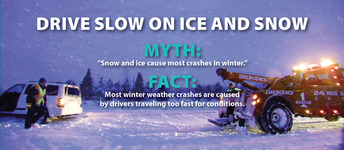
majority of winter driving crashes can be attributed to drivers going too fast
for conditions. When this happens,
drivers can lose control of their vehicle.
Keep these tips from The
Parent’s Supervised Driving Guide in mind to help you (and others) stay
safe on the road this winter:
- Make sure your vehicle is clear of snow and ice before
driving. Driving can cause snow/ice to
slide and block your view, or fly off and strike other vehicles.
- When starting to drive in snow, keep the wheels
straight ahead and accelerate gently to avoid spinning the tires.
- Decrease your speed to make up for a loss of
traction. Accelerate and decelerate
gently, and be extra careful when braking.
- Stopping distances can be up to 10 times greater
in ice and snow. Begin the slowing-down
process long before a stop. Brake only
when traveling in a straight line.
- Look ahead for dangerous spots, such as shaded
areas and bridge surfaces that may be icy when the rest of the road is clear.
For more information, including items you should keep handy
as part of a winter emergency safety kit, check out What
Every Driver Must Know.
 Tips
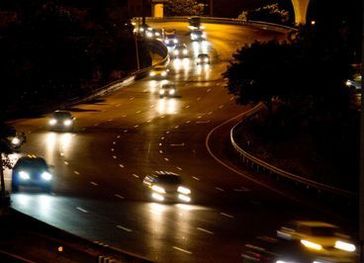
for night driving
A
driver's reaction time depends on their vision, which is limited at night. This
makes it more difficult to make judgments and see pedestrians, bicyclists and
other obstacles. Some tips to keep in mind:
- Glare
from oncoming headlights makes it difficult to see. Looking toward the right
side of the road and adjusting the rearview mirror can help to reduce headlight
glare.
- Headlights
should be turned on before the sun goes down to make the car more visible.
- High
beams should only be used when other drivers won't see them, such as on isolated
roadways with little traffic.
- To
compensate for reduced visibility, drive more slowly and at a greater following
distance.
Information
excerpted from The Parent's
Supervised Driving Guide, a helpful resource for families with
young drivers.
|