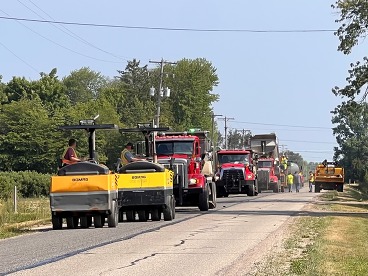
The Ottawa County Road Commission will start its 2025 seal coat (chip seal) program this month.
This year's program is budgeted at $2.6 million using Michigan Transportation Fund dollars, and will be focused on more than 68 miles of streets in Chester, Tallmadge, and Wright townships.
The 2025 program is tentatively scheduled to begin on June 9 and run through July. All dates and schedules are weather dependent and subject to change.
Check our website and social media pages for schedule updates.
|
 Click the image above to view a video about the chip seal process.
What is chip seal?
A chip seal is an application of a binder in the form of an asphalt emulsion or hot spray and an application of an aggregate.
Chip seals protect, preserve and extend pavement life, resulting in a pavement that is better to drive on, look at, and will cost less to maintain in the long run. A chip seal will not increase the strength of existing pavement. However, it will prolong the life of the pavement by providing a protective coating.
Chip sealing is a three-stage process. After the surface has been prepared by patching areas that are cracked or loose, a thin layer of emulsion or tack oil is applied.
Then, a layer of aggregate is applied by a truck with a chip spreader.
The third and final operation is several passes from a roller to compact the aggregate.
The road is usually opened to traffic after sweeping or may be opened to slow-moving traffic immediately.
The OCRC typically returns several weeks later to perform the second stage in the chip seal process: applying a fog seal atop the newly chip sealed road.
A complete list of roads to be treated can be found here.
Additional Resources:
Chip Seal Process Flyer
Chip Seal Educational Video
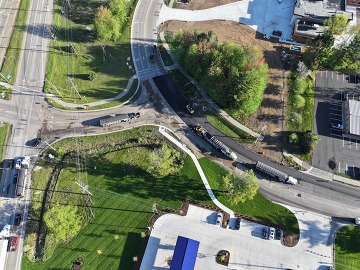
The Ottawa County Road Commission has been able to add several additional projects to its slate of 2025 construction season work due to favorable bid savings earlier in the season.
As a result of lower than anticipated bid prices, the following projects were able to be moved forward to the OCRC's 2025 program:
Resurfacing
-
40th Ave.: Hudsonville City Limits to Port Sheldon St. Moved from 2026.
- Estimated Cost (based on recent bids) = $280,000
-
Jackson St.: Angling Rd. to Kenowa Ave. Moved from 2026.
- Estimated Cost (based on recent bids) = $650,000
Culvert Replacements
-
Byron Rd.: East of 40th Ave., culvert is failing. Moved from 2026.
-
Estimated Cost = $315,000
-
32nd Ave.: South of Sherman St., Chester Twp. funding resurfacing. Moved from 2027.
- Estimated Cost = $185,000
-
32nd Ave.: North of Truman St., Chester Twp. funding resurfacing. Moved from 2027.
The Ottawa County Road Commission will continue to explore further project possibilities if continued savings arise this construction season.
To view a complete list of projects planned for the 2025 construction season, visit: https://ottawacorc.com/road-work/construction-projects/.
|
 |
|
Do you 'follow' us on social media? If not, you are missing out on valuable information posted each day!
Make sure you like, follow and share our pages, as we use these platforms to communicate more effectively with Ottawa County residents.
These pages regularly feature construction updates, road closure information, and other news about the Road Commission.
You can find our Facebook page at: https://www.facebook.com/ottawacorc, our Instagram page at: https://www.instagram.com/ottawacorc/ and on X (Twitter) at: https://x.com/Ottawacorc/
|
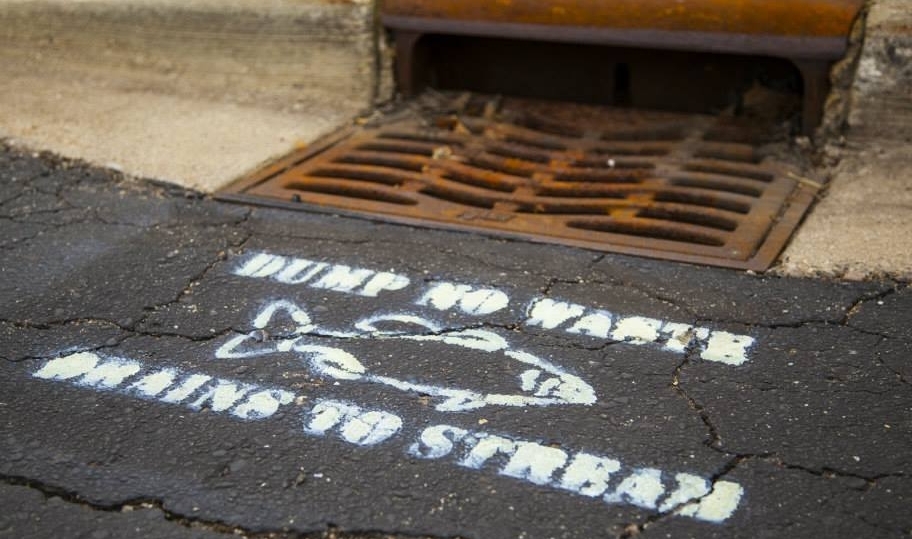 An illicit discharge contains any substance other than stormwater that ends up in the storm sewer system. It is any discharge (or seepage) to the separate storm water drainage system that is not composed entirely of storm water or uncontaminated groundwater.
An illicit connection is a physical connection to a separate storm water drainage system that primarily conveys illicit discharges into the system and/or is not authorized or permitted by the local authority (where a local authority requires such).
Why is it illicit? The Clean Water Act requires that municipalities with separate storm sewer systems adopt Illicit Discharge Elimination Plans in order to prohibit and eliminate any pollution from entering the system and ultimately entering the local lakes, rivers, and streams.
Sources of Illicit Discharge:
• Improper disposal of automobile fluids or household wastes
• Improper oil disposal
• Discharge from septic tanks and fields
• Spills from roadway accidents
• Radiator flushing disposal
• Laundry wastewaters
• Leaves, debris, or other yard waste that is raked into a storm drain
Exemptions:
• Landscape irrigation
• Discharges from potable water sources
• Air conditioning condensate
• Water from crawl space pumps
• Foundation drains
To protect the quality of our streams and public health, please report sources of pollution you witness along the roadside, roadside parks, or in your neighborhood, including:
• Dumping waste/oil or other vehicle fluids
• Suspicious pipes outletting to ditches
You can do this anonymously by contacting your local community officials or by
calling the pollution emergency alerting system hotline at: 800-292-4706.
|