|
Communicable diseases are reported to the Ottawa County Department of Public Health for surveillance and investigation to prevent their spread. The data in the monthly disease reports are provisional, based on current reports in the Michigan Disease Surveillance System (MDSS) made by local health departments. The MDSS is a dynamic, continually active system; counts of disease are constantly changing as cases are investigated, confirmed as cases, or ruled out as not meeting the case definition. Each monthly disease report reflects this constant activity as the numbers may slightly fluctuate each month.
Therefore, it should be kept in mind that numbers in the monthly disease reports are NOT final and should be used only to generally monitor trends over time. Unknown, suspected, probable and laboratory-confirmed cases of the reportable condition are included in the report. Click to view or print the most recent monthly reportable diseases summary. Specific data requests and questions should be directed towards:
Marcia Mansaray, M.Sc.
Epidemiologist
mmansaray@miottawa.org
(616) 494-5598
 FEATURING:
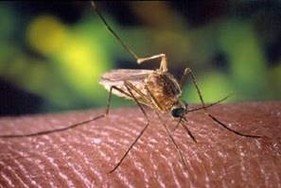
West Nile is a virus most commonly spread to people by mosquito bites. Mosquitoes become infected when they feed on infected birds. Infected mosquitoes then spread WNV to people and other animals by biting them. In North America, cases of WNV occur during mosquito season, which starts in the summer and continues through fall. There are no human vaccines to prevent or medications to treat WNV. Fortunately, most people infected with WNV do not have symptoms of illness. About one-in-five infected people will have mild illness which may include fever, headache, body aches, joint pain, vomiting, diarrhea or rash. About one in 150 infected people will become severely ill and may experience symptoms such as a stiff neck, stupor, disorientation, coma, tremors, muscle weakness, convulsions or paralysis. People 60 and older and those with other health conditions are more likely to have severe complications such as meningitis and encephalitis.
LEARN MORE - English I Spanish
|
The best way to reduce your risk of West Nile virus is to prevent mosquito bites.
- Use insect repellent that contains DEET.
- Wear light-colored, long-sleeved shirts and long pants when outdoors.
- Dress children in clothing that covers arms and legs.
- Cover crib, stroller and baby carrier with mosquito netting.
Control mosquitoes inside and outside your home
- Use screens on windows and doors. Repair holes in screens to keep mosquitoes outside.
- Use air conditioning when available.
- Use nets and/or fans over outdoor eating areas.
- Sleep under a mosquito bed net if air-conditioned or screened rooms are not available or if sleeping outdoors.
- Empty and scrub, turn over, cover or throw out items that hold water (such as tires, buckets, planters, toys, pools, birdbaths, flowerpots or trash containers). Check inside and outside your home. Mosquitoes lay eggs near water.
English I Spanish
You received this email as a subscriber to Diseases & Outbreaks or Disease & Health Reports. To find other Ottawa County health-related reports, please visit miOttawa.org/healthdata. For more Ottawa County topics or to make any changes to your subscriptions, please click here.
|