|
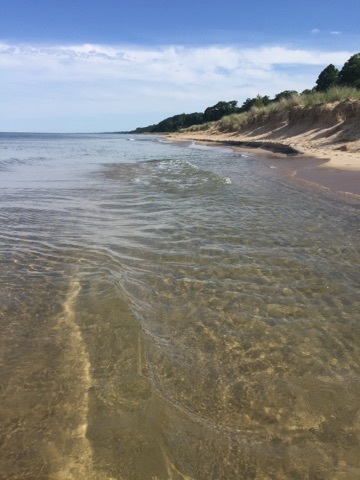
Ottawa County has beautiful beaches!
However, natural bodies of water contain microorganisms regardless of how clean or clear the water may look. According to the Centers for Disease Control and Prevention, pathogens that cause recreational water illnesses are spread by swallowing, breathing in the mists or aerosols from, or having contact with contaminated water in swimming pools, water parks, hot tubs, interactive fountains, water play areas, lakes, rivers, or oceans.
How does water become contaminated?
- animal waste
- rain and agricultural runoff
- faulty septic systems
- sewer overflows
- naturally occurring chemicals and minerals
- manufacturing processes
- local land use practices (fertilizers and pesticides)
What do the results mean?
If the results of three test samples average to less than 300 E. coli per 100 milliliters of water, the risk of recreational water illnesses is minimal (single-day geometric mean). High levels of E. coli indicate fecal contamination and the possible presence of other harmful bacteria, parasites and viruses in the water. Results are posted weekly during the summer at www.miOttawa.org/BeachWatch
How can bacteria and other microbes in beach water affect me?
Beaches everywhere, and at all times, have microorganisms which can cause illness. Exposure to beach water with high levels of microbial contamination may cause ear, eye, nose and throat infections; gastrointestinal illness; or skin rashes. It may also lead to parasitic infections.
Steps to Prevent Recreational Water Illnesses
- Do not swallow lake water and avoid getting water in your mouth.
- Wash your hands with soap and water before eating.
- Take kids on bathroom breaks and be sure young children wear clean swim diapers.
- Do not swim when you are sick. You can spread germs in the water and make other people sick.
- Do not swim in water that appears murky, smells foul or looks polluted in any way.
- Avoid swimming immediately after heavy rainfall.
- Do not feed seagulls.
- Shower when you return home.
|