|
America's 250th birthday is right around the corner! If your plans include outdoor time up north, at home or somewhere in between, here are a few ideas from the Michigan Department of Natural Resources to keep your celebrations safe, sound and relaxation-ready:
See other news releases, Showcasing the DNR stories, photos and other resources at Michigan.gov/DNRPressRoom.
PHOTOS: Larger, high-res versions of many of the photos used in this email — summer flowers, forest hike, Operation Dry Water, shooting range, fishing, campfire and ORV — are available in the DNR's online photo collection. Others (boat cleaning and bear) are available in this folder.
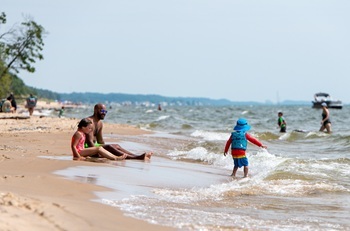
Summer temperatures are here, and the water is waiting! Many state parks, but not all, offer swim areas identified by buoys or markers, a beach flag warning system and water depth less than 5 feet at the time of buoy/marker installation. Before you jump in, put safety first, especially on big water. Remember the Great Lakes are large, powerful systems that hold more than 20% of the world's fresh water. Strong currents can catch even the most experienced swimmer off guard.
To keep everyone safe, follow these tips:
- Check weather conditions and beach flags in buoyed swim areas (double-red flags = water access closed, red flag = high hazard, yellow flag = medium hazard, green flag = low hazard). By law, you cannot enter the water from the beach when double-red flags are flying or if otherwise directed. One exception: Board sports such as surfing and windsurfing are allowed during double-red flag days if proper safety equipment (life vest, tether, wet suit, etc.) is used.
- Choose buoyed swim areas located in state parks. Swim areas offer additional safety measures and visual cautions. It's important to note that not all state parks have designated swim areas.
- Never swim alone, especially children.
- Keep close watch on children and weaker swimmers: Stay within arm's reach, have them wear U.S. Coast Guard-approved life jackets, be conscious of their limits and take breaks frequently.
- Be aware of water temperatures. Water can be much colder than the ambient air temperature might suggest, especially in larger bodies of water like the Great Lakes. Sudden immersion and/or sustained time in cold water can cause cold shock, making it hard to breathe and increasing your risk of drowning.
|
“Summertime around the Great Lakes is time well spent, but you can never take these waters for granted,” said Pat Whalen, Plainwell District supervisor for the DNR Parks and Recreation Division. “Enjoy the beaches, soak up the sun and make memories, but stay alert and keep an eye on others.”
Learn more about these beach safety tips, including information about the benefits of buoyed swim areas, the beach flag warning system, how to spot (and escape) Great Lakes currents and more at Michigan.gov/BeachSafety.
Questions? Contact Pat Whalen at 269-838-1196.
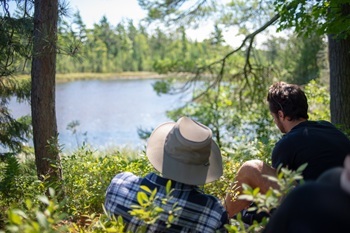
We know, your favorite summer spots are calling. But whether you’re eager for sandy beaches, deep woods, backyard barbecues or solo stargazing, be sure not to let ticks spoil the outdoor fun.
Ticks have been active for a few months now. Roughly two months ago, as many communities began cleaning up from spring flooding, the Michigan departments of Health and Human Services and Agriculture and Rural Development urged residents to take precautions against mosquitoes and ticks to protect themselves and their animals.
“Preventing tick and mosquito bites is the best way to avoid diseases including Lyme disease, West Nile virus and eastern equine encephalitis,” said Dr. Natasha Bagdasarian, MDHHS chief medical executive. “Use insect repellent and wear long-sleeved shirts and long pants when outdoors to help prevent bites. If you find a tick attached to your body, promptly remove it, monitor your health and consult with a medical provider if you become ill.”
It's good advice that carries even greater weight as the peak of summer approaches. Mosquito-borne viruses are transmitted through the bite of a mosquito that has picked up the virus by feeding on an infected animal. MDHHS officials say that most people who contract a virus have no clinical symptoms of illness, but some may become ill two to 14 days after the bite of an infected mosquito. Symptoms typically include a high fever, confusion, muscle weakness and severe headache. More serious complications include neurological illnesses, such as meningitis and encephalitis.
When you’re regularly spending time outside, also remember to perform daily tick checks and bathe or shower as soon as possible after coming in from outdoors.
Not all ticks spread the same germs. MDHHS can help to identify ticks you may encounter. For identification or questions about ticks, residents can email photos of ticks to MDHHS-Bugs@Michigan.gov or submit ticks by mail, free of charge. Get more information at Michigan.gov/Lyme.
|
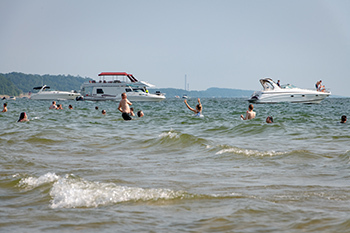
The DNR is again teaming up with the National Association of State Boating Law Administrators and the U.S. Coast Guard for Operation Dry Water, July 3-5.
Operation Dry Water is part of a year-round boating under the influence awareness and enforcement campaign focused on reducing the number of alcohol- and drug-related boating incidents. Law enforcement agencies nationwide participate in the annual heightened awareness and enforcement weekend that’s held around the July Fourth holiday.
Alcohol is the leading contributing factor in recreational boating deaths; according to the 2024 U.S. Coast Guard Recreational Boating Statistics, boaters impaired by alcohol were a factor in 20% of boating fatalities.
In Michigan, operating a recreational vessel with a blood alcohol concentration of .08 or above is illegal – the same as when operating a vehicle on the road.
Alcohol affects judgment, coordination, balance, vision and reaction time — skills essential for safely operating and being on a vessel. Its effects are often intensified by sun exposure, heat, wind and fatigue. Common boating conditions including vibration, noise, motion, sun and wind can compound the effects of alcohol, drugs and certain medications, increasing impairment faster than many people expect.
Boating under the influence laws apply to both alcohol and drugs. Prescription medications, over-the-counter drugs and illegal substances all can impair a boater’s ability to operate safely. Boaters should understand how medications may affect them before heading out.
Marijuana affects areas of the brain responsible for movement, coordination, memory and decision-making. These effects can significantly reduce a person’s ability to safely control a vessel.
During Operation Dry Water, conservation officers will conduct boating under the influence patrols and educate the public on the dangers of impaired boating.
In 2025, Operation Dry Water saw participation from more than 7,311 officers representing 451 local, state and federal agencies nationwide. Over the three-day weekend, officers made contact with 87,830 vessels and 232,694 boaters, resulting in 501 boating under the influence arrests and 34,545 citations and warnings for safety-related violations.
Questions? Email Cpl. Jill Miller at MillerJ86@Michigan.gov.
|
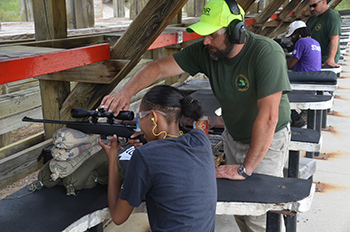
Fall might be the furthest from your mind right now, but hunting season will be here before you know it. And with ranges less busy, summer is a great time to get in some shooting practice or try your hand at shooting sports.
Whether you’re looking to sight in your firearm for hunting season, practice with a bow or handgun, or shoot clay targets, the DNR’s 15 shooting ranges across the state offer safe and comfortable shooting environments for visitors of all ages, abilities and experience levels.
Many of our ranges are staffed with customer-friendly, highly trained employees and feature amenities like handgun and archery ranges, modern restrooms and accessible features. DNR ranges also provide a no- or low-cost alternative to private shooting ranges.
If you’re new to shooting sports and would like to learn more or give it a go, check out these helpful resources:
Questions? Contact Gary Jones, DNR shooting sports manager, at 734-431-2147.
|
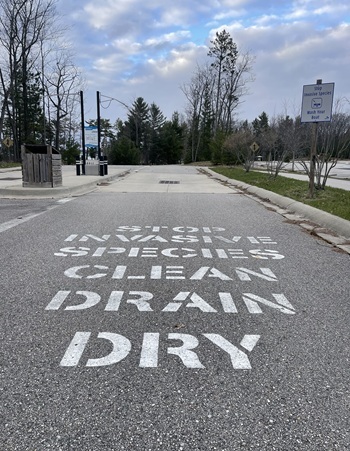
As thousands of Michiganders head to lakes and rivers for the Independence Day holiday, state and local partners remind boaters and anglers that a few simple steps can help protect Michigan’s waters from harmful invasive species.
Aquatic Invasive Species Awareness Week, June 28-July 4, brings together organizations and volunteers to host outreach events at boat launches across the Great Lakes region. As a part of Michigan’s 13th annual AIS Landing Blitz, local lake associations, cooperative invasive species management areas and others urge those on the water to clean, drain and dry boats, trailers and gear between uses to prevent the spread of invasive species.
Michigan law requires boaters to:
- Remove all aquatic organisms, including plants, from watercraft and trailers before launching or transporting.
- Remove drain plugs and drain all water from bilges, ballast tanks and live wells before transporting a watercraft.
- Dispose of unused bait in the trash, not release it into the water.
Other recommended practices include:
- Removing plants, mud and debris from boats, trailers and equipment before leaving an access site.
- Washing boats and trailers before launching into another body of water.
- Allowing boats and equipment to dry for at least five days between uses in different bodies of water.
- Disinfecting live wells and bilges with a bleach solution (1/2 cup bleach to 5 gallons water).
|
Additionally, the Michigan Clean Water Corps, or MiCorps, is hosting the second annual AIS Detection Blitz. Participants can use the free iNaturalist app to photograph suspected aquatic invasive species — such as zebra mussels, Eurasian watermilfoil or other unfamiliar aquatic organisms — and submit observations to the MiCorps AIS Detection Blitz project. Information collected helps support early detection efforts and informs invasive species management across the state.
Find a Landing Blitz event near you, and learn more about AIS Awareness Week and invasive species prevention at Michigan.gov/Invasives.
AIS Awareness Week is sponsored by the Michigan Department of Environment, Great Lakes, and Energy’s Water Resources Division in partnership with the Michigan departments of Natural Resources and Agriculture and Rural Development, federal agencies, and nonprofit and private organizations.
Questions? Contact DNR invasive species communications coordinator Joanne Foreman at 517-243-6450.
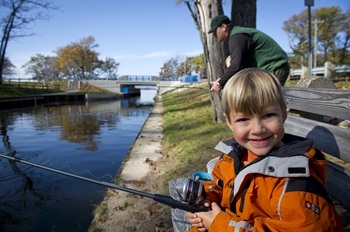
Fishing is a fun, rewarding experience, and a great way to spend time outdoors and make lasting memories. If you don’t know how to fish, though, learning might feel a bit intimidating — but it doesn’t have to be! The DNR offers many resources for beginning anglers (people who fish), starting with your local state park.
There are more than a hundred state parks in Michigan, and most of them have opportunities to fish. To find the nearest state park that has fishing, go to Michigan.gov/RecSearch, select “State parks” and then select “Fishing” from the Activities dropdown menu (don’t forget to hit the Apply button). You can then explore individual parks from the map or resulting list to learn about each park and its fishing amenities, including water access, pier locations, and kayak or boat launch information.
Many state parks offer free fishing classes for beginners of all ages. These classes can teach you the basics of tying knots, setting up your fishing pole, choosing bait, casting, and taking fish off the hook after your first catch. The classes are free, and equipment is provided. See which state parks offer Hook, Line and Sinker classes. Hook, Line and Sinker may not be offered at every location each week, so it's a good idea to check with individual parks to confirm upcoming opportunities.
|
Wolf Lake State Fish Hatchery and Oden State Fish Hatchery visitor centers also offer learn-to-fish programs for kids and adult learners. Be sure to call or check each location’s website for program offerings, as they change seasonally, and fishing is allowed at those locations only during official fishing programs.
For anyone under 17, no fishing license is required to participate in a fishing class. Those over 17 need a valid fishing license to fish Michigan’s public waters. Every license purchase helps support the fisheries research, management and conservation work that creates Michigan’s world-class fishing opportunities enjoyed by residents and visitors all year long.
Ready to get out there and learn to fish at a state park near you? Buy your fishing license and Recreation Passport (for vehicle entry to state parks) and get started.
Questions? Email DNR-Fisheries@Michigan.gov.
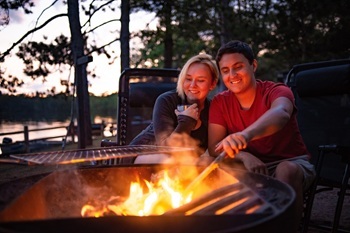
This Fourth of July, make sure you celebrate the nation’s 250th birthday safely by keeping fire danger top of mind: A hot sparkler can set dry grass ablaze, while a bottle rocket shot into shrubs or trees can spark a dangerous wildfire.
“People and their behavior are behind nine out of 10 fires, so keeping fire danger in mind is really important as you go about your celebrations,” said Paul Rogers, DNR fire prevention specialist. “That’s especially important in the northern Lower Peninsula this year, as downed wood from last year’s ice storm could increase the intensity and spread of a wildfire.”
When using fireworks, keep a hose or water source nearby. Dispose of spent sparklers in a bucket of water instead of dropping them on the grass. Choose fireworks that sit in one place rather than those that can be launched, as they are still hot when they land.
If you’re doing yard work at home or at your vacation spot, check Michigan.gov/BurnPermit before you start a fire to make sure weather conditions allow for safe burning. In southern Lower Peninsula communities, consult local fire authorities for necessary precautions.
If a backyard fire gets away from you, call 911 immediately. Do not try to put it out yourself before calling authorities.
|
Here are more tips to ensure safe, fun outdoor activities over the holiday weekend and all summer long:
- Keep a hose or other water source nearby when burning anything or using fireworks.
- Prevent sparks: Keep trailer chains from dragging when you’re on the road and don’t park hot equipment on dry grass.
- Contain your campfire or bonfire in a pit or ring and make sure you put it out thoroughly before leaving for the night. Douse the fire with water, stir the ashes and douse again.
- Never leave any fire — including hot coals — unattended.
More fire safety information is available at Michigan.gov/FireManagement.
Questions? Contact Paul Rogers at 626-260-8406.
As summer kicks into high gear, many of us are enjoying everything northern Michigan offers: camping, hiking, cookouts and other outdoor activities with friends and family.
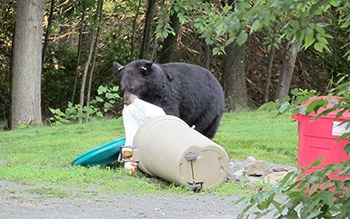
But as we do, it’s important to remember that Michigan is bear country, with an estimated 12,400 black bears living mainly in the northern Lower and Upper peninsulas. And bears are active in the summer, looking for mates and foraging for food to fatten up before they enter dens for the winter.
“Avoid attracting bears this summer by thinking like a hungry bear,” said Jared Duquette, human-wildlife interactions specialist for the DNR’s Wildlife Division. “Bears think with their stomach and can smell food from a mile away.”
Campers should keep food in bear-resistant containers or out of sight in a locked vehicle or hard-sided camper. When rustic camping, hang food at least 10 feet high and 10 feet away from large tree limbs to prevent bears from reaching it.
“Maintain a clean camp, especially by keeping grills clean and properly disposing of food waste in a trash can or at least 100 yards downwind of your camp,” Duquette said. “Even clothes and towels used while cooking food may attract bears.”
Owners of rental cabins, motels and similar housing should consider using bear-resistant trash cans and dumpsters.
“Do not panic or run,” Duquette said. “Bears are naturally afraid of people. Yell out — something like ‘Hey, bear!’ — and wave your arms to look big and intimidating.”
If a bear does not naturally move along, make noise and slowly back away in a clear direction where the bear can see you. Throw sticks or rocks at the bear if needed. If you have bear spray, ensure you know how to use it properly, especially on windy days.
Finally, keep your dogs leashed. Letting dogs chase or lunge at bears is asking for trouble. Don’t force a bear to defend itself. Visit the DNR’s black bear webpage for more safety tips and information.
|

Off-road vehicles are fun year-round, but activity in Michigan ramps up in the spring and summer as people head to trails and ORV scramble areas to enjoy world-class riding experiences.
Keeping safety in mind is vital during any ride, for you and others.
According to 2025 statewide ORV crash data, there were more than 700 reported crashes, including 32 fatalities and over 500 personal injuries. Crashes like these are primarily due to excessive speed, careless operation and parents not supervising children who are operating ORVs.
Parents are reminded that they must visually supervise children under the age of 16 who are operating an ORV, whether riding on public or private property. Additionally, operators who are transporting children should refer to the vehicle manufacturer owner’s manual regarding use of car seats or boosters.
“Most ORV crashes can be avoided,” said Cpl. Mike Hearn, DNR Law Enforcement Division ORV and snowmobile specialist. “When operators ride too fast, they are more likely to lose control when they hit even the smallest bump or try to make turns or stop. Always ride within your and the machine's capabilities.”
All ORV operators are urged to "Ride Right" to ensure everyone returns home safely to family and friends. That means:
- Ride at a safe speed.
- Ride sober.
- Ride on the right side of the trail.
- Keep lights on when riding.
- Always wear a helmet.
|
Silver Lake Sand Dunes
Heading to Silver Lake ORV Area in Oceana County? Be sure to watch this quick video that shares critical safety tips you need to know before you navigate the unique, 450-acre scramble area.
Questions about Silver Lake Sand Dunes? Contact Silver Lake State Park staff at 231-873-3083.
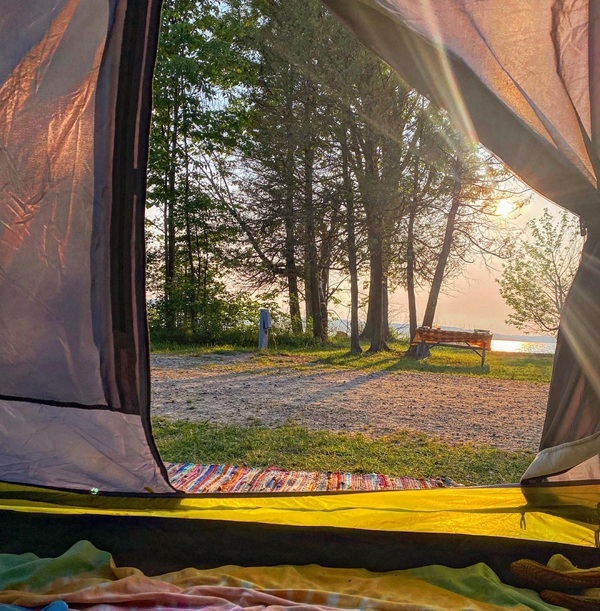 See more pictures by Michigan state parks photo ambassadors at Instagram.com/MiStateParks. For more on the program, call Stephanie Yancer at 989-274-6182. (This photo is by Daisy Roux/Mitten Adventures, for the Michigan DNR, at Young State Park in Charlevoix County.)
|