New report highlights action, progress to reduce phosphorus runoff in Lake Erie
Keeping excess nutrients on the land and out of the water is a big part of protecting the health of Lake Erie, the smallest and most shallow of the Great Lakes. On Wednesday, the State of Michigan released its first annual report under the updated Domestic Action Plan, or DAP, for reducing the phosphorus runoff that feeds harmful algal blooms in the lake: The plan outlines measures to reduce phosphorus loads in the Western Lake Erie Basin by a sustained 40% over a baseline measurement taken in 2008.
“Michigan’s freshwater resources are central to our state’s identity, as well as to public health, robust fish and wildlife habitat and a $15 billion outdoor recreation economy that is heavily water-based,” said Michigan Department of Natural Resources Director Scott Bowen.
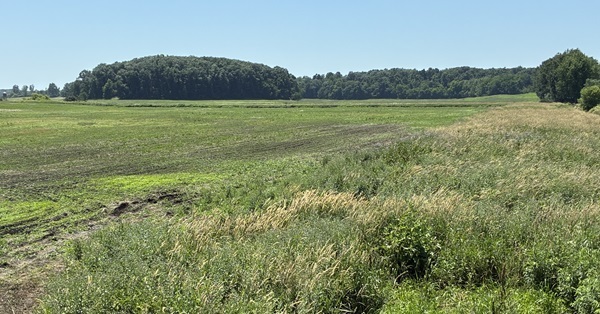
The 2026 annual report, which details progress made since the release of the updated DAP, contains the most current tributary phosphorus loads, headway in completing projects in the plan — including a restored wetlands effort in Lenawee County, pictured above — and next steps for this year and beyond.
|