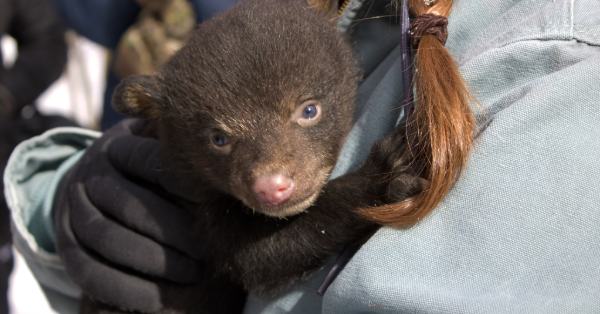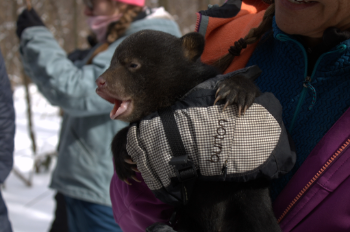
“Michigan is bear country,” said Jared Duquette, human-wildlife interactions specialist for the DNR. “And as bears come out of their winter dens, it’s important to remember that we can live responsibly with these magnificent animals and avoid conflicts by following some basic best practices. Take down bird feeders, especially in the spring and summer, clean grills after use, don’t leave pet food outside and wait until collection day to put your trash out.”
People in high-density bear areas should consider using bear-resistant trash bins. Ask your trash company if they provide these containers.
There are an estimated 10,350 black bears throughout the Upper Peninsula, while the Lower Peninsula is home to 2,100 bears, according to a 2024 DNR survey. Lower Michigan’s bear population is concentrated mainly in the northern part of the peninsula, although bears have been pushing south into urban areas of mid-Michigan.
In March, some black bears leave their dens to walk around, stretch their legs and then go back to sleep. Other bears leave their dens for good. Drowsy and lethargic, they drink plenty of water and eat lightly at first — mainly old berries, rose hips and acorns along with winterkill deer carcasses.
Eventually, bears will go searching for more substantial meals, so now is a good time to make sure anything around your home and property that could possibly attract a hungry bear is stored out of sight, smell and reach, according to BearWise.
If you see a bear in the woods before it notices you, stand still, don’t approach and enjoy the moment. Then move away quietly in the opposite direction.
If you encounter a bear that’s aware of you, don’t run, as running may trigger a chase response. Back away slowly in the opposite direction and wait for the bear to leave. Bears prefer to avoid people whenever possible, but they are powerful wild animals and may defend themselves when surprised or feeling threatened.
|