|
Here are a few of this week's stories from the Michigan Department of Natural Resources:
See other news releases, Showcasing the DNR stories, photos and other resources at Michigan.gov/DNRPressRoom.
Some of the photos used in this email (snowmobiling, American goldfinch and snowy sunrise) are available in the DNR's public online image collection.
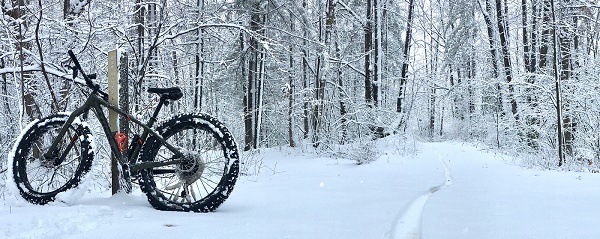
December is off to a snowy start throughout the state, providing lots of opportunities to embrace the elements and take to the trails. It’s also a good time to remember ways to ensure your outdoor exploring is as safe and enjoyable as possible. Here are a few reminders before you head to your favorite pathway.
Snowmobiling: Buy your trail permit, check conditions
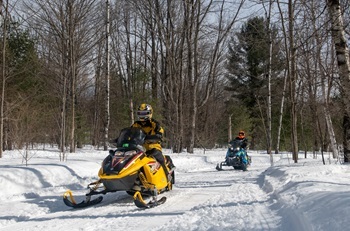
Michigan’s 6,000-plus miles of DNR-designated snowmobile trails, public roads and public lands (only where riding is authorized) are open Dec. 1-March 31, and trail grooming occurs when there is enough snow on the ground. Purchase your trail permit and find maps at Michigan.gov/Snowmobiling. Be sure to check trail reports and trail closures while planning your excursion, and follow Ride Right safety precautions, including staying on the right side of the trail.
ORV riding: Know where you can go
Off-road vehicle riding is allowed on all county roads that are open in the summer, as well as all DNR-designated multiuse trails; note that ORV trails in the Upper Peninsula are marked by letters. Snowmobile-only trails, however, are closed to ORV use Dec. 1-March 31 – snowmobile trails are identified by numbers only on diamond-shaped signs.
In addition, highway rights-of-way are closed until May 1 and therefore are not open to ORVs. These are areas where the trail runs on the side of state and U.S. highways allowing a trail to connect. Always be aware of icy sections, especially on morning and evening rides, and ride in a manner that minimizes trail damage given that some trail terrain may be soft.
|
In-the-woods exploring: Wear blaze orange, follow trail etiquette
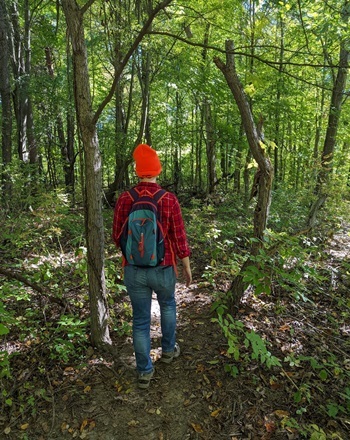
With the newer extended late antlerless firearm season (Jan. 2-11) in the southern part of the Lower Peninsula, as well as archery deer season remaining open until Jan. 1, be sure to wear your blaze orange while on the trails for any reason. For more details on these seasons, see Michigan.gov/Deer.
Also know when to yield and how to interact with other trail users by practicing trail etiquette. Remember that courteous communication goes a long way toward safe passing and interacting with others on the trail. Also stay on marked trails, respect trail conditions and closures, and leave no trace – pack it in, pack it out, and if you see litter, please pick it up. And if you’re out in the woods in the northern Lower Peninsula, be aware of hazards related to trees downed or damaged by the March ice storm.
Learn more at Michigan.gov/DNRTrails or contact DNR state trails coordinator Tim Novak at 517-388-8347.
|
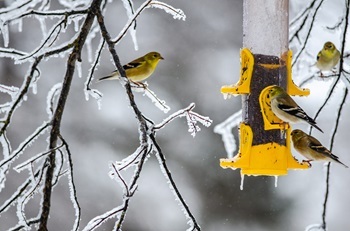
If you’re an avid wildlife watcher but prefer a perch from the warmth and comfort of indoors, give Project FeederWatch a try. With Michigan temps predicted to stay fairly frigid, it may be the coziest way to connect with nature – and collect helpful birding data.
A November-April survey of birds that visit backyards, nature centers, community areas and other locales in North America, Project FeederWatch is headed up by the Cornell Lab of Ornithology and Birds Canada. People of all ages and skill levels are invited to help: children, families, solo seekers, classrooms, retirees, youth groups, nature centers and bird clubs.
While most people focus on birds coming to feeding stations, DNR wildlife biologist Karen Cleveland said a feeder isn’t a necessity.
“The only requirement is having an area from which you like to watch birds; the location and setting are entirely up to you,” she said. “The schedule is flexible, too. Count the birds you see every week or once all winter. You choose how much time you put into it.”
Participants send their tallies to become part of a collective database, and FeederWatch scientists analyze the data to draw conclusions about winter bird abundance and distribution.
What might you see? Cleveland said the possibilities are many, but likely species include dark-eyed juncos, woodpeckers and American goldfinches. No matter which feathered friends find their way into your view, each one provides valuable data to better understand birding trends.
Questions? For more on Project FeederWatch and winter birding in Michigan, contact Karen Cleveland at 517-388-9795.
|
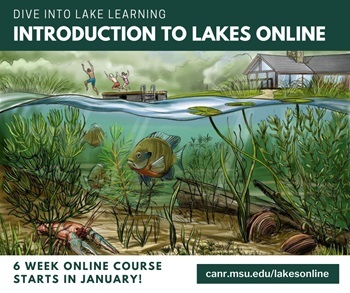
Whether you live on a lake, have a favorite hidden fishing spot or recharge with a hike near one of Michigan’s 11,000 inland lakes, you know how lakes contribute to both mental and physical well-being – and why they deserve our care and attention. You can deepen that connection through an upcoming opportunity from Michigan State University Extension.
Introduction to Lakes Online is a nationally recognized, award-winning, six-week course designed for anyone curious or passionate about inland lakes, including lakefront property owners, local officials, lake managers and educators. Led by MSU Extension educators and state agency experts, the course explores lake ecology, watersheds, shoreline management, water law, aquatic plants and community involvement.
Registration and course information
Introduction to Lakes Online runs Jan. 20 to March 27. Register by Jan. 5 for the early-bird discounted rate of $95 per person; after that, the cost is $115. Registration closes Jan. 27. Course details and scholarship information is available on the Introduction to Lakes Online course webpage.
More than 2,000 people across the country have taken the annual course since it was first offered online in 2015. Participants regularly praise the content and level of interaction they enjoy with instructors and other students.
Students will experience:
- Week-by-week, 24/7 access to six online units, complete with prerecorded video lectures, interactive activities, other resources and quizzes.
- Lively discussion forums and biweekly webinars with classmates and instructors. Ask-an-expert webinars let you learn from experts at the DNR, MSU and the Michigan Department of Environment, Great Lakes, and Energy.
|
Upon finishing the course, students receive a certificate of completion. They can also receive continuing education credits, including 16 Michigan Department of Agriculture and Rural Development Pesticide Applicator Re-Certification credits.
Questions? Contact Paige Filice (MSU Extension), 517-676-7291 or Joe Nohner (DNR), 517-599-6825.
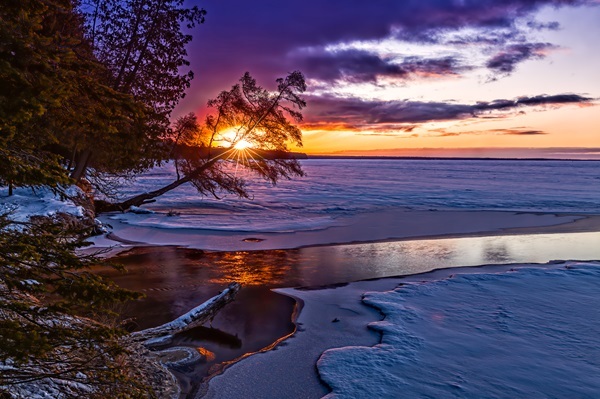 See more pictures by Michigan state parks photo ambassadors at Instagram.com/MiStateParks. For more on the program, call Stephanie Yancer at 989-274-6182. (This photo is by Joe Holley, for the Michigan DNR, at North Higgins Lake State Park in Roscommon County.)
|