|
This weekly newsletter contains information related to urban forestry and arboriculture training, research, jobs and funding in Michigan, nationally and internationally. If you know of an event or opportunity that may be of interest to our partners, please email program coordinator Kevin Sayers.
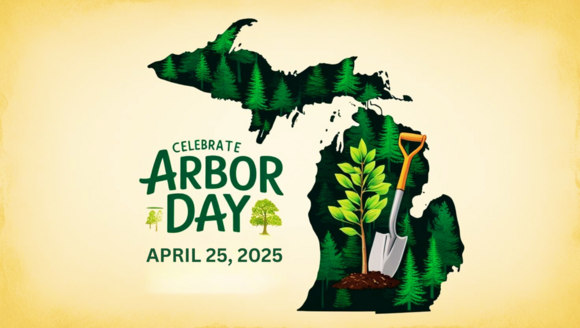 Arbor Day is coming up on April 25, and to celebrate the Department of Natural Resources is working on compiling Arbor Day events all over the state on its interactive map online. Visit the site to add your organization or community's public event celebrating Arbor Day.
The March/April edition of the City Trees magazine by the Urban and Community Forestry Society and the March Tree Care Industry magazine are now available online. These magazines feature information from both experts and peers in the urban forestry industry, education programs and more.
Join the growing community of people who have signed the planet pledge. This eco-pledge is a great way to start making a difference in small steps. When you pledge to follow one easy ecofriendly habit, such as shopping second hand or taking shorter showers, the Arbor Day Foundation will plant a tree. The Arbor Day Foundation has a list of habits you can start today that will help lead to a better future. Sign the pledge today!
USDA Plant Hardiness Zone Range: 4-9
Mature Height: 30 feet
Mature Width: 35 feet
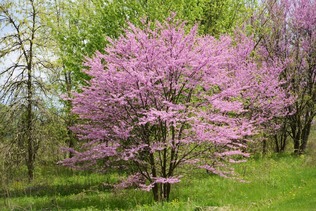
Eastern Redbud (Cercis canadensis), usually shortened to just Redbud, is a Michigan native deciduous tree that you have probably seen around the state. It is a smaller tree that blooms with its iconic pink flowers in the spring. The leaves of the tree come after the flowers and resemble hearts. Flowers uniquely sometimes sprout directly from the trunk as well. The flowers support many species of butterflies and bees in the spring; people can even eat them in a salad or fried. This tree is perfect for a pollinator garden or to put in areas that don’t get a lot of sun. It can be used as a street tree but does not tolerate heat or drought well and is very sensitive to herbicide used for controlling weeds.
The small size of this tree makes is ideal for yards and small areas. Its spreading branching form keeps it from growing too tall, but branches can break under their own weight in older trees. Redbuds do not like their roots to be disturbed so they should be planted quickly after purchase and watered thoroughly until roots establish within the soil. They do produce thin seed pods but these generally aren’t an issue in terms of mess and are eaten by birds. There are many different cultivars on the market including ones with changing foliage, purple foliage, weeping branching forms, and much more. Make sure to be on the lookout for the pink flowers this spring of the wonderful Redbud!
Photo from the Kansas Forest Service.
|
The International Society of Arboriculturists is offering the third edition of Best Management Practices - Tree Risk Assessment for purchase online. This guide serves as an essential resource for arborists, empowering them to assess risks with accuracy and consistency, evaluate potential hazards, and recommend strategies to maintain an acceptable level of risk. You can purchase a copy of this online.
Hazel Park, Michigan certified ‘Tree City USA’ in recognition of canopy efforts
A Chicago church won’t be planting fruit trees this spring as climate funds remain frozen
How Stockholm Is Sprouting Healthy Trees From Concrete
Portland’s Urban Tree Plans May Face a Withering in Federal Funds
Will Fertilizing Trees Help Them Grow Faster?
As Heat Deaths Rise, Planting Trees Is Part of the Solution
Trees Play a Crucial Role in Public Health”: Blue Shield Celebrates California Arbor Week
|