Boaters, get ready for a summer on the water!

Share or view as webpage  |  Update preferences

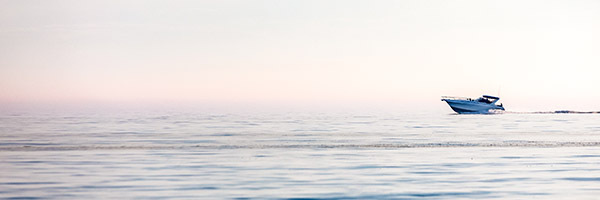
boat skimming across water

Boating season is here!

Imagine crystal-clear water lapping at the hull, sun warming your skin and longer days beckoning you to wet a line. Whether you troll smaller, inland lakes or cruise the Great Lakes, Michigan's boating season is part of our DNA. 

Grab your boat out of storage (if you haven't already), dust off your gear and consider taking action on one or all of these boating tips.

Recycle your shrink-wrap

As you pull your boat out of storage, recycle those blue and white shrink-wrap covers (and fishing line) into something new!

Find easy options to recycle shrink-wrap and fishing line.

Find home base for your boating adventure

Whether you're looking to sleep on your boat or tie it off for the night (and sleep at your home or vacation rental), consider a transient slip reservation at one of Michigan's harbors for boats longer than 11 feet. You can stay up to two weeks, providing a convenient home base for your boating and land adventures.

Check closures

Closures take place from time to time due to upgrades, repairs and weather-related events.

Save yourself a trip by checking the DNR closures page for the most-up-to-date list of boating access site and harbor closures.

Brush up on boating rules and regulations

The Handbook of Michigan Boating Laws is your roadmap to safe adventures on the water. Inside this handbook, you'll discover the state's boating laws and regulations, navigation rules, what to do when encountering other vessels and much more.

Clean, drain and dry your boat (it’s the law)

To prevent spreading invasive plants and organisms from one body of water to another, boaters and anglers should “Clean, Drain and Dry” boats, trailers and all equipment and gear after each use on any lake, river or stream. State law requires:

  • Making sure watercraft and trailers are free of all aquatic organisms and plants before transporting or launching.
  • Removing drain plugs and draining all water from bilges, ballast tanks and live wells before moving watercraft.

Following these simple steps can limit the spread of invasive plants and animals like phragmites, European frog-bit and zebra mussels that can cause significant harm to aquatic species and decrease the quality of recreational activities.