|
Michigan has some of the best wildlife viewing opportunities around. This quarterly newsletter will give you some tips on how to get involved, what to watch for, where to go and the great wildlife conservation work going on across the state. Enjoy!
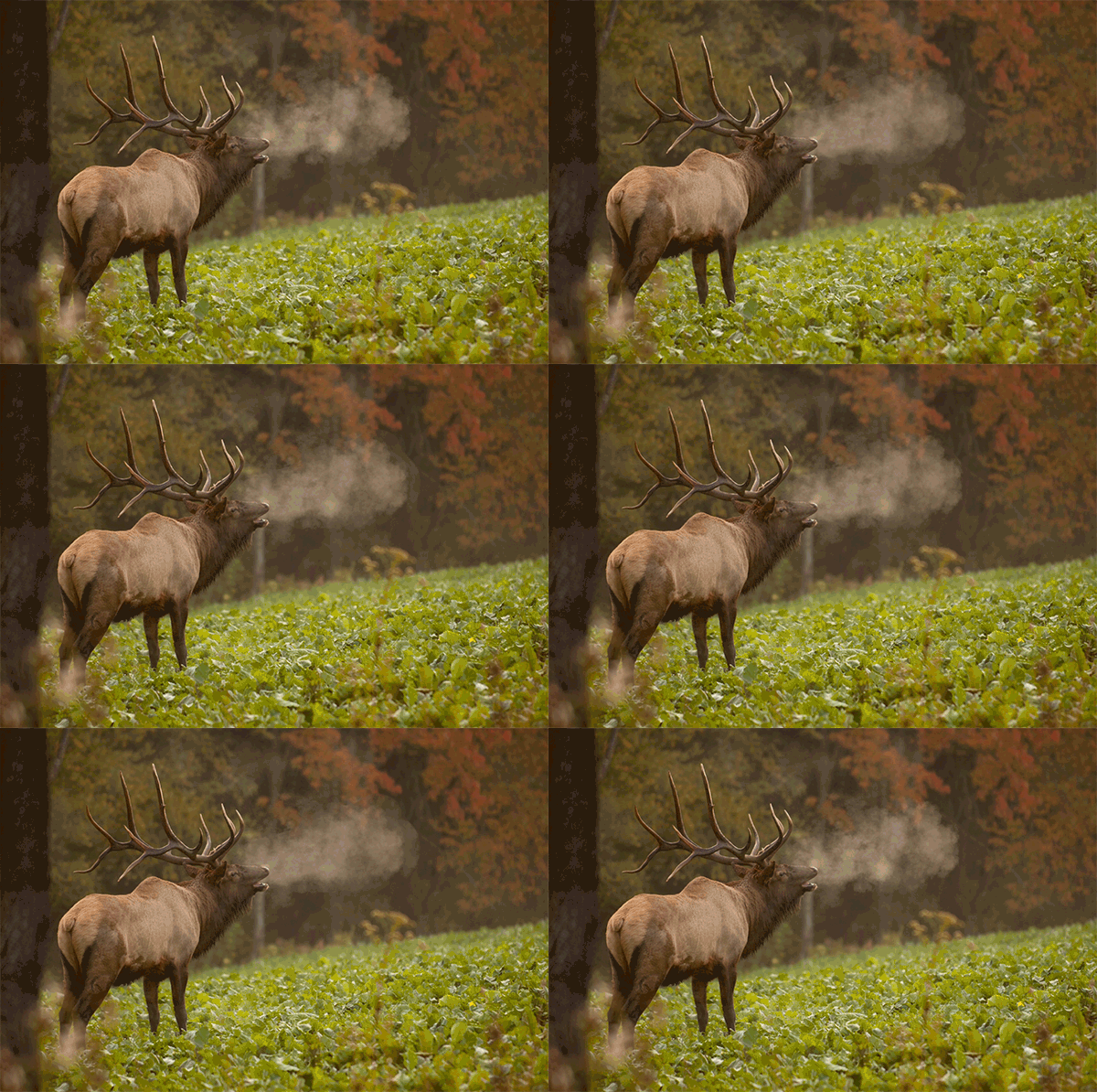
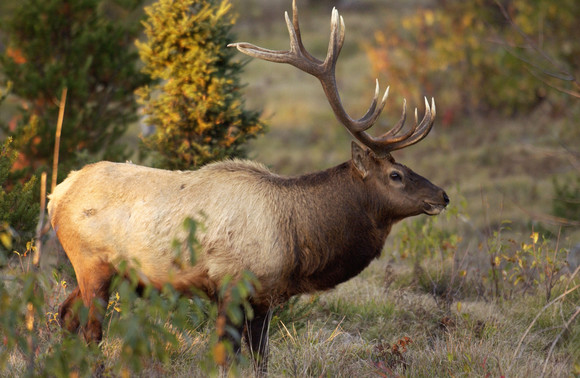 Elk, our featured species this issue, are the second-largest member of the deer family in Michigan. Elk are large herbivores and prefer to graze on grasses and forbs. Michigan's native elk disappeared around 1875. Today's elk herd dates back to 1918, when seven Western animals were released near Wolverine.
Elk viewing
Elk are more active during the early fall breeding season, creating the perfect time to view the wild herd. Grab your binoculars or camera and plan your route through the 13 elk viewing locations in northeast Michigan.
Throughout September and October, elk will gather in forest openings at dawn and dusk to feed and look for potential mates. Keep your eyes peeled for elk moving through the open fields and listen for the bugle of a bull elk.
The Michigan elk herd can only be found in areas throughout Otsego, Montmorency, Presque Isle and Cheboygan counties. There are 13 designated elk viewing areas that can be accessed by roads throughout the Pigeon River Country State Forest near Gaylord.
Elk viewing ►
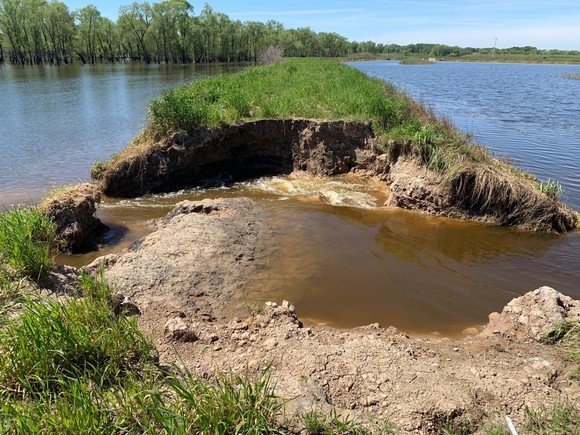 The collapse of the Sandford and Edenville dams last spring sent two lakes' worth of water rushing down the Tittabawassee River, washing over the Shiawassee River State Game Area and associated Shiawassee Flats. Despite the area’s ability to absorb floodwaters, the unexpected volume and speed of the water damaged the managed wetland complex in over 40 areas. With numerous dikes and levees eroded and washed away, Department of Natural Resources crews and partners worked together to remediate the damage incurred across the area. The photo above shows a levee washed out by floodwaters.
DNR staff from the Wildlife and Forest Resources divisions, with funding provided through the Natural Resources Conservation Service’s Emergency Watershed Protection Program, and volunteers from the Shiawassee Flats Citizens and Hunters Association collaborated to rebuild and reinforce the damaged dikes and levees, remove woody debris build-up in the Shiawassee River and replant nearby crop fields for migratory waterfowl.
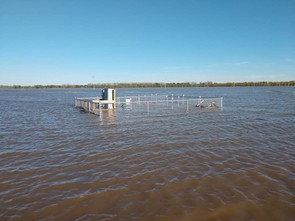
Developed in the 1950’s, this series of dikes, levees and water-control structures was installed to provide habitat for migratory waterfowl and wetland species while doubling as a critical water storage area to hold and slowly release floodwaters back into the watershed. The photo shows a water control structure submerged by floodwaters.
Though the area worked as intended to absorb flood waters after the dam collapses, the structures have now been reinforced to withstand and better manage future flooding events while maintaining high-quality waterfowl habitat and safe areas for outdoor recreation.
|
The project is nearing completion and is expected to be finished next year, pending weather conditions. During construction, the Shiawassee River State Game Area will remain open for public access.
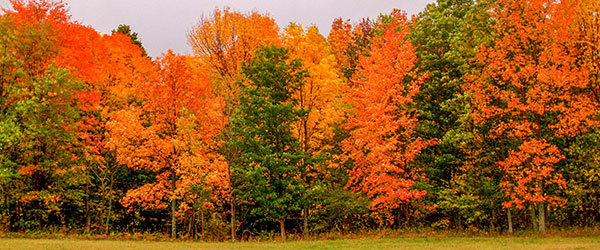 The natural scenery in October is a dreamscape of oranges, reds, yellows, maroons and lasting evergreens. Enjoy the mosaic of autumn colors while exploring your nearby public lands.
Take a hike along winding trails through the Holly State Recreation Area or bring your binoculars to the Maple River State Game Area to observe the fall migration. Listen to the gurgle of the Betsie River at the Betsie River State Game Refuge or drive farther north to watch a bald eagle soar above you from the viewing tower at Rainey River Flooding State Wildlife Area.
If you’re planning to visit these areas, keep in mind that fall hunting seasons are also ongoing. Consider bringing a hunter orange garment to stay visible to others while enjoying the autumn scenery. To learn more about what kind of hunting seasons will be happening in the area, visit Michigan.gov/Hunting.
Have questions about a state game or wildlife area? Contact the nearest DNR Customer Service Center.
Fall color tour ►
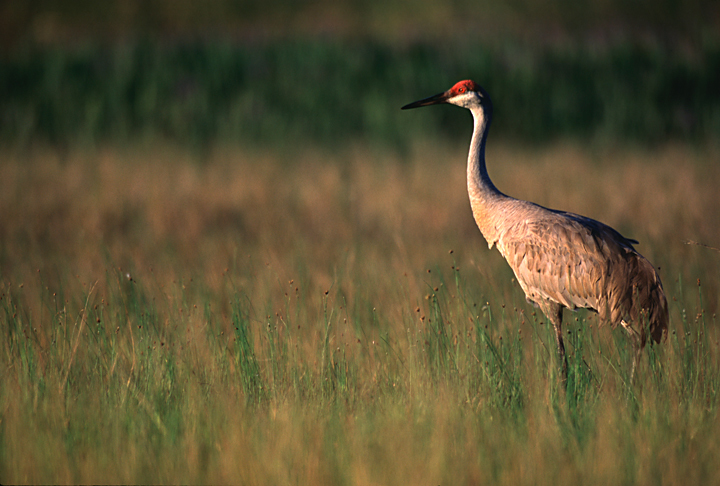 Michigan lies at the intersection of two migration “superhighways,” the Mississippi and Atlantic, which bring over 380 bird species, including waterfowl, waterbirds, shorebirds, songbirds and raptors, through our state each fall!
Birds to watch for this fall ►
Raptor migration ►
Tips for birding safely during hunting season ►
Michigan birding ►
Learn more about your local birds with MI Birds – a joint effort between Audubon Great Lakes and the Michigan DNR to bring together wildlife enthusiasts across the state. MI Birds is your one-stop shop for all things birds in Michigan. Follow MI Birds on Facebook, Twitter and Instagram and sign up for email updates.
|