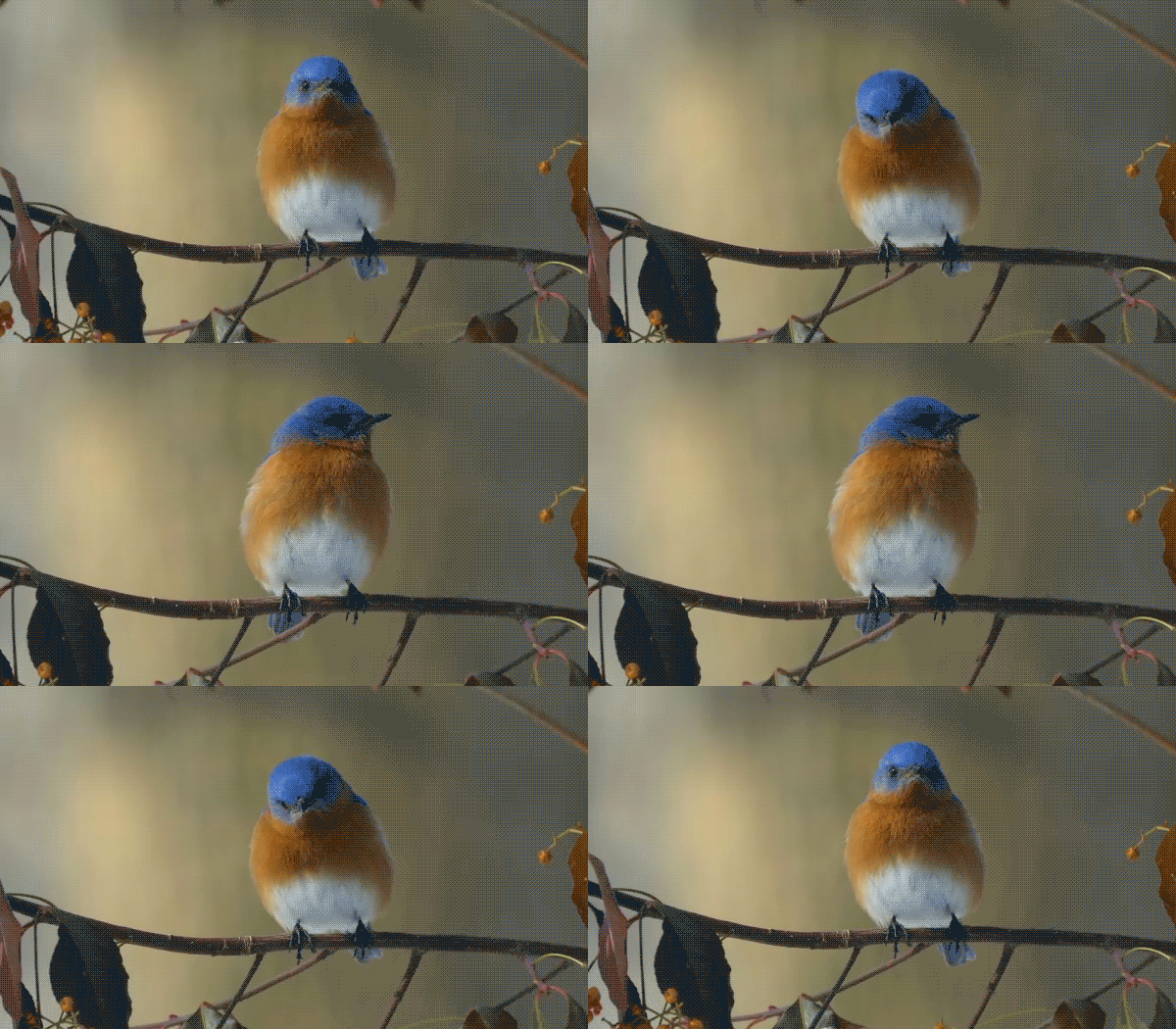
Happy Summer Solstice!
More than 350 bird species have settled in across Michigan as they establish breeding territories and search for a mate. These birds are easier to identify in summer, as many of them have swapped their drab winter colors for brighter and more decorative plumage.
Many birds are singing at this time of year, filling Michigan’s woodlands, wetlands and grasslands with their unique and melodic songs, and allowing bird watchers to practice birding by ear. Most birds are vocal within three hours of sunrise.
Plan an early morning trip out to your local public lands to experience nature’s symphony, but don’t wait too long. Bird song and bird feeder activity will dissipate at the end of the month, as most birds will be busy rearing their young.
|
Some Michigan bird species like killdeer and American robins have already fledged their first brood of chicks in June, while others like American redstarts and black terns are likely still incubating eggs.
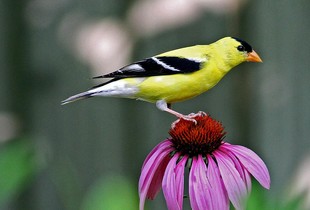
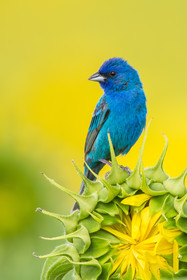
Blue-winged teal, dickcissels and indigo buntings (photo 2, by Sunil Gopalan) continue to nest and rear their young into July. Meanwhile, American goldfinches (photo 1, by Will Stuart) are waiting for wildflower and thistle blooms to peak in July to begin nesting.
|
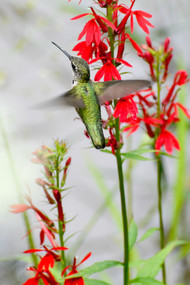
Surprisingly, July also marks some of our first departures and arrivals of some fall migrants! Our beloved ruby-throated hummingbirds (photo 3, by Kristin Cart) will start departing the end of July, while Arctic shorebirds like sanderlings and semipalmated plovers will begin to arrive as they head to their wintering grounds.
Want to plan a summer birding trip, but not sure where to start?
Check out one of the following Michigan birding hotspots:
|
|
|
|
Visit a Wetland Wonder and win!
Visit one or more of Michigan’s 15 Wetland Wonders before July 16 to participate in the Wetland Wonders Challenge for your chance to win up to $1,000 in outdoor gear! These state wildlife and game areas double as Important Bird Areas and are critical locations for waterfowl, water birds, marsh birds, shorebirds and songbirds alike. Call the local DNR field office for tips on where to go.
DNR COVID-19 RESPONSE: For details on affected DNR facilities and services, visit this webpage. Follow state actions and guidelines at Michigan.gov/Coronavirus.
|