|
|
|
|
News Digest - Week of July 23, 2018
|
|
Here's a look at some of this week's stories from the Department of Natural Resources:
See other news releases, Showcasing the DNR stories, photos and other resources at michigan.gov/dnrpressroom.
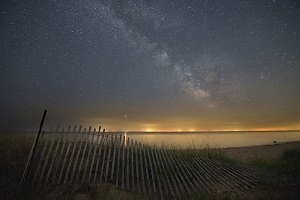 Ask people what they enjoy about Michigan state parks in the hotter months, and many will talk about lazy days at the beach, fun family reunions and time spent exploring trails and forests. There’s another aspect of a state park trip that could make your visit even more memorable: night sky viewing.
“If you live in a big city or immediate suburb, it’s nearly impossible to get a good look at the night sky. There’s just too much competing light, but if you go into one of our state parks, the view changes dramatically,” said Ami Van Antwerp, a DNR communications specialist.
A big draw is the annual Perseid meteor shower, peaking this year Aug. 9-13. Several state parks – not just those in the Upper Peninsula or northern Lower Peninsula – will stay open late for “Meteors & S’mores” programs (with complimentary s’mores around the campfire) to mark the occasion, but every park offers great opportunities to camp under the stars.
According to Space.com, air pollution has made Earth’s atmosphere less transparent and more reflective, and an increase in light on the ground has created “a bright background light resembling a perpetual twilight” that makes it tough to see stars.
That’s where state parks – 103 locations from Detroit to Ontonagon, offering more than 352,000 acres of public land – can really steal the show.
“When you’re in a state park at night, definitely look up!” said Van Antwerp. “My family was at Porcupine Mountains Wilderness State Park last summer around the same time as the meteor showers. Every night felt like our own private light show, whenever we stepped outside the tent.”
No special equipment is needed to view these meteor showers. The Perseids are among the brightest showers of the year and can easily be seen with the naked eye.
Designated viewing areas and times are specified at each park. Event dates are available at michigan.gov/darksky. Make camping reservations at midnrreservations.com or call 1-800-44PARKS. Questions? Contact Elissa Buck at 989-313-0000.
|
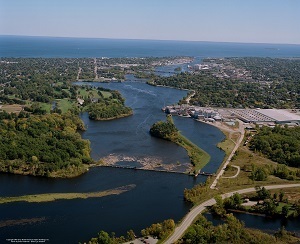 A recent cleanup effort along a stretch of the Menominee River is expected to boost fish and environmental health in the area as the river recovers.
The Menominee River forms the boundary between the northeast corner of Wisconsin and the southern tip of Michigan’s Upper Peninsula, with headwaters originating in both states and eventually emptying into Green Bay.
Federal Environmental Protection Agency and state specialists from Michigan and Wisconsin helped Lower Menominee River communities clean up the river by removing contaminants left by historic industry use, including manufactured gas, ship-building, paper and wastewater treatment companies. Great Lakes Restoration Initiative funds supported the cleanup.
“Restoration of sites like these makes an incredible difference for Great Lakes communities and natural habitat, as well as the outdoor recreation opportunities they support,” said Office of the Great Lakes Director Jon Allan. “Together, we’re achieving the goal of swimmable, fishable, drinkable waters that everyone can enjoy.”
The environmental effects of that historic pollution had earned the lower 3 miles of the Menominee River designation as an “Area of Concern" under the 1987 Great Lakes Water Quality Agreement. The residual impact of the release of coal tar, paint sludge and arsenic from those businesses led to serious ecological impairments for many area communities.
Thanks to cleanups like this, positive changes are happening. Michigan originally was tagged with 111 ecological impairments, which are defined as damage to the environment that keeps the ecosystem from properly functioning. This cleanup triggered the removal of Michigan’s 48th impairment from that original list. Office of the Great Lakes staff expect the Menominee River’s last two impairments, regarding fish and wildlife habitat and populations, to be lifted soon.
Although restoration of this site is almost complete, there is still much work needed to address environmental damage in Michigan. People can get involved in AOC cleanups through local Public Advisory Councils that work in partnership with Office of the Great Lakes coordinators.
At this time, advisories regarding quantities and species of fish remain and are updated by the Michigan Department of Health and Human Services. Properly cleaned and cooked panfish are considered best choices for eating.
To learn more about work to protect, restore and sustain Michigan’s waters, visit michigan.gov/OGL or contact Rachel Coale, 517-290-4295 or Stephanie Swart, 517-284-5046.
|
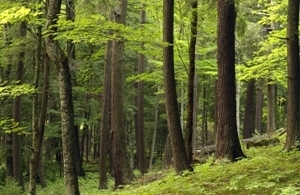 Those interested in learning about current techniques and trends in caring for forests can check out the new manual, Michigan Forestry Best Management Practices for Soil and Water Quality.
The manual, updated from 2009, includes changes in procedures for endangered species assessment, estimating stream channel width and culvert diameters, and additional guidance on harvest operations. Sections covering forest roads, chemical treatments and use of pesticides also have been reorganized.
“These ‘best management practices’ contain legal requirements and voluntary practices that can help prevent sediment or other sources of pollution from going into lakes and streams during forest management activities such as a timber harvest, whether it’s on public or private lands,” said Deb Begalle, chief of the DNR Forest Resources Division.
The revision process was a joint effort by the DNR, the departments of Environmental Quality and Agriculture and Rural Development, the Michigan Association of Timbermen and the Michigan Forest Products Council. The DNR, DEQ and the Michigan Sustainable Forestry Initiative Implementation Committee contributed money for printing.
“We sincerely thank our partners for their help in finalizing the new best practice manual. We could not have done it without them,” said Begalle.
Visit michigan.gov/forestry for more information about forestry and best management practices or contact David Price at 517-284-5891.
|
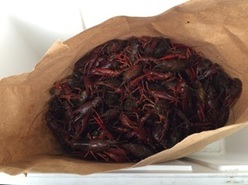 We’ve all been told to be careful about internet use to avoid computer viruses like worms or Trojan horses – but did you know that internet shopping can introduce invasive species to Michigan, too? Going online to purchase new plants for your pond or a new aquarium pet is a good way to find a wider selection, but sellers outside of the state may be unaware that certain species (like red swamp crayfish, pictured here) are prohibited or restricted in Michigan.
If you shop online for exotic plants, pets or live food, it's good to be aware of the state and federal laws in place to prevent the introduction or spread of invasive species, and you should know which species these laws restrict. Check out the most recent issue of Michigan's Invasive Species Newsletter to learn more about these species and organisms and the trade pathway in Michigan.
Questions? Contact Joanne Foreman at 517-284-5814.
|
Note to editors: For high-resolution versions of any of the above photos, contact Sarah Lapshan at 517-284-6054.
|
 Waterfowl hunters, wildlife lovers, families looking for weekend fun – don’t miss the 23rd annual Saginaw Bay Waterfowl Festival at Bay City State Park Aug. 4-5. From duck calling and retrieving dogs to animal presentations and wildlife art, there's something for everyone.
|
|
 |
 Don't let the summer weather fool you! It's not too early to start thinking about crisp fall nights around the campfire, Harvests and Haunts and other family fun at state parks. Check out availability at your favorite locations and book your campsites.
|
|
|
 Want to do your part to help take care of Michigan's great outdoors and have year-round access to 103 state parks, hundreds of miles of trails and more? Get the Recreation Passport – still just $11, or about 3 cents a day – when purchased with your annual license plate renewal.
|
|
|
|
|
|
|
MANAGE SUBSCRIPTIONS | UNSUBSCRIBE ALL | CONTACT US | FEEDBACK | HELP
|
|
|




