Researching your Family Tree? Attend our Family History Seminar!
Explore resources and best practices for your genealogy research
Join the Archives of Michigan
and the Michigan Genealogical Council for two days of exploring resources and
best practices for your genealogy research at the 2018 Abrams Foundation Family
History Seminar. This year’s seminar takes place on Friday, July 20 from 10:00 a.m.
to 3:30 p.m. and Saturday, July 21 from 9:30 a.m. to 3:30 p.m. at the Michigan
History Center in Downtown Lansing.
Whether you are a beginner or an
expert family researcher, this seminar has something for you! It kicks off on
Friday with a behind-the-scenes look at the archives and then continues with a
variety of speakers and family history topics, including:
-
Over the Top: Researching Your Michigan World War I Ancestor
-
City Directories: Not Your Average Phone Book
-
Anatomy of Coroner’s Records
-
Finding Records of Your Detroit and Wayne County Ancestor
- I Have a DNA Test Result – What Comes Next?
-
Utilizing the Abrams Foundation Historical Collection
-
Naturalization Records Online! The Archives of Michigan &
FamilySearch
-
Licensed to Work: Professional Registries at the Archives of
Michigan
- TB in the Family Tree
|
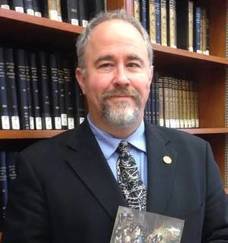 This year’s featured speaker is David
Allen Lambert, chief genealogist at the New England Historic Genealogical
Society. Lambert has been on the staff of NEHGS since 1993 and is the
organization’s Chief Genealogist. David is an internationally recognized
speaker on the topics of genealogy and history. His genealogical expertise
includes New England and Atlantic Canadian records of the 17th through 21st
century; military records; DNA research; and Native American and African
American genealogical research in New England. David will provide two
presentations on Saturday, July 21:
- Researching New England Vital Records: This lecture will cover
the vital record resources for each New England State from the Colonial Era
through the 20th century Vital Records. The resources of original, microfilm
and digitized resources for CT, MA, ME, NH, RI and VT will be discussed.
-
Researching Colonial New England Probate Records:
New
England Probate records were different in each colony. Learn about the
resources and where to find them online from home, or how to best research
without visiting the courthouse.
The fee
for the seminar is $60, and includes full attendance for the seminar, a boxed lunch on
Saturday and a downloadable seminar syllabus. Pre-registration is now
available through Wednesday, July 18th. Alternatively, you can download the
paper registration form and mail it to the Archives of Michigan. Onsite registration will be available both Friday, July 20 and Saturday, July 21, but
a boxed lunch is not guaranteed.
Visit
the 2018 Abrams Foundation Family History Seminar website for the full schedule,
including descriptions of the sessions.
For more information about the seminar or the Archives of Michigan, contact Kris
Rzepczynski at RzepczynskiK@michigan.gov
or 517-313-9191.
|
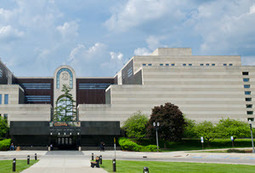 2018 Abrams Foundation Family History Seminar
Dates:
- Friday, July 20, 2018 from 10 a.m. to 3:30 p.m.
- Saturday, July 21, 2018 from 9:30 a.m. to 3:30 p.m.
Fee: $60 (includes full attendance for the seminar, a boxed lunch on
Saturday and a downloadable seminar syllabus)
Location: Michigan Library and Historical Center, 702 W. Kalamazoo St., Lansing, MI
Register Online
Download a Registration Form
|
|
|
The Archives of Michigan is part of the Michigan History Center. The Michigan History Center fosters curiosity, enjoyment and inspiration rooted in Michigan’s stories.The Archives of Michigan is responsible for preserving the records of Michigan government and other public institutions. The collections also include documents, maps, photographs and film from private individuals and organizations.For more information, visit www.michigan.gov/mhc.
|