|
 |
|
October is Bullying Prevention Month. This edition of Michigan Family Connections is dedicated to providing information, support, and resources about bullying prevention.
Understanding bullying is key to stopping it. While recent data shows a concerning rise in bullying, it also demonstrates the effectiveness of intervention and peer support. We hope you enjoy this special edition!
|
 Bullying and CYSHCN: Know the Signs
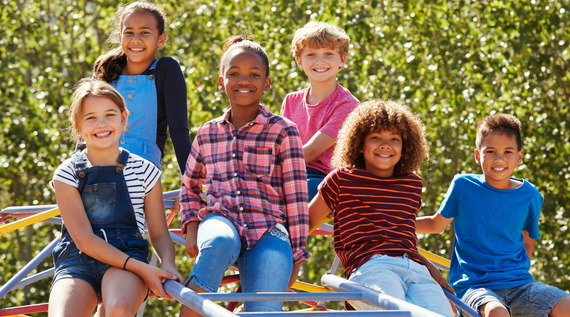
Children and youth with special health care needs (CYSHCN) are at a higher risk of being bullied because of physical, developmental, emotional, behavioral, or health-related differences from their peers. Bullying can affect a child's mental health, school experience, friendships, and overall well-being.
Experts encourage families to pay attention to changes in behavior that may signal a child is being bullied and to start supportive conversations early. Some possible warning signs include:
- Sudden reluctance to go to school or participate in activities
- Unexplained injuries or damaged belongings
- Changes in mood, increased anxiety, or withdrawal from friends and family
- Frequent headaches, stomachaches, or other physical complaints
- Changes in eating, sleeping, or online habits
|
|
 Resource Highlight: Student Action Plan Against Bullying from the PACER Center
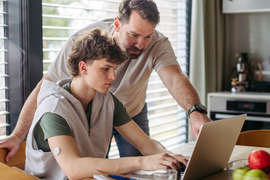
The Student Action Plan Against Bullying is a free, youth‑ready tool from the PACER Center's National Bullying Prevention Center. It is designed to help students think through bullying situations and take steps to change them. Designed to be completed alone by the student, or together with a trusted adult.
Student Action Plan Link
|
 Article - Bullying: It's Not OK
The American Academy of Pediatrics has published an article in the Journal of Pediatric Patient Education that may be of interest to families who want to learn more. This free access journal article provides facts, tips, and how to help - whether your child is being bullied, being a bully, or a bystander.
Bullying: It's Not OK article
|
|
Cyberbullying: Protecting Your Child Online
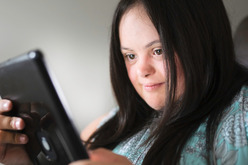
Bullying doesn’t just occur in the school yard. Children today are growing up with access to learn, play, and connect with others online. While online access offers many positive opportunities for learning and socialization, it can also expose children and youth with special health care needs to cyberbullying. Cyberbullying is defined as the use of digital devices like cell phones and computers to repeatedly harm, threaten, or humiliate another person (StopBullying.gov).
Cyberbullying can occur on a variety of social media platforms such as Facebook, Instagram, Snapchat, and Tiktok. Text messages, online forums, chat rooms, gaming communities, and even email also provide opportunities for both strangers and acquaintances to take advantage of vulnerable youth.
|
Stronger Together: Peer Support Programs in Schools

Did you know that having just one positive reciprocal friendship or peer relationship can protect a child from the negative effects of bullying?
Peer support programs, whether they are peer-to-peer, or peer mentor relationships, are evidence-based interventions designed to foster inclusivity and belonging. In peer-to-peer programs, students with and without disabilities connect and support each other. In peer mentor programs, peer supporters provide role modeling and share experiences and information to help support others with similar needs.
|
|
|
|
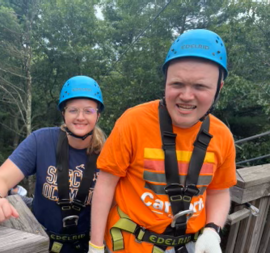
Dakota and Noah hanging out
|
The Power of Connection
by Dakota Marz
I was a peer support partner for students from preschool through high school. When I went away to college for 4-5 years, I missed being able to hang out with my friend, Noah. Now that I have moved back home, I learned that he missed hanging out with me as well. Now we schedule to hang out at least once a month for short outings in our community. We have done many different things.
|
|
Upcoming Learning Opportunities:
As part of our committment to increase awareness of bullying among children and youth with special health care needs, the Family Center is hosting three webinars in October dedicated to bullying awareness and prevention. These webinars are open to families, youth, educators, providers and other professionals who support children and youth with special health care needs.
The Power of Peer Support
9:00 a.m. - 10:00 a.m., Thursday, October 8, 2026.
Join Lindsey Harr-Smith from Grand Valley State University’s START program. Learn how peer-to-peer programs foster inclusive communities and promote positive outcomes.
Register Here
Understanding Michigan's Anti-Bullying Law: What Families Need to Know
11:00a.p.m - 12:00 p.m., Tuesday, October 13, 2026.
Mary Teachout, School Safety Consultant with the Michigan Department of Education, will discuss Michigan’s anti-bullying law. Participants will leave with a better understanding of their rights, where to find help, and how to work with schools to address bullying concerns.
Register Here
OK2SAY: Michigan's Student Safety Program
10:00 a.m. - 11:00 a.m., Thursday, October 22, 2026.
Join Christine Coady from OK2SAY, Michigan’s confidential student safety program. Learn how the program helps students and families report concerns about bullying and find resources for support.
Register Here
 |
|
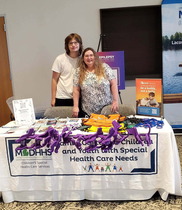
Invite the Family Center to Your Next Conference or Event!
The Family Center for Children and Youth with Special Health Care Needs would love the opportunity to share information about the supports and services we offer. If you are hosting a conference or event and would like to invite us, please reach out to us via email at cshcsfc@michigan.gov.
|
|
|
Who We Are
|
The Family Center for Children and Youth with Special Health Care Needs is the parent-directed center within the Children's Special Health Care Services division at the Michigan Department of Health and Human Services.
Their primary role is to offer support, information, and connections to community-based resources to families of children and youth with special health care needs, including all children who have, or are at increased risk for physical, behavioral, developmental, or emotional conditions. Children do not need to qualify for Children's Special Health Care Services to utilize the Family Center.
For more information, visit our website.
|
|
|
 |
 |
|
website
|
The Michigan Family to Family Health Information Center is a federally funded* project. MI F2F shares resources and information on disability and health issues with families of children and youth with special health care needs in Michigan. MI F2F helps families make informed decisions and supports families to partner with professionals.
For more information, look for us on Facebook or visit our website.
|
|
*This project is supported by the Health Resources and Services Administration (HRSA). The contents of this newsletter do not represent the official views of, nor an endorsement by HRSA, HHS, or U.S. Government.
The sharing of resources is for your consideration only and not endorsed or recommended by any of our funders. Use at your own discretion.
|
|
|
|
|