 August 2026
Welcome to the Soil and Agricultural Stewardship Newsletter – the Michigan Department of Agriculture and Rural Development’s (MDARD) online publication providing Michigan farmers and landowners with the latest news, updates, and resources related to Regenerative Agriculture Program (RAP) and the Michigan Agriculture and Environmental Assurance Program (MAEAP)!
Bruce Barton’s farm in Homer, Michigan has been setting the standard for environmental stewardship for more than two decades. In June 2004, Barton Farms’ Pine Ridge Farm site became the first entity in Michigan to earn verification through the Michigan Agriculture Environmental Assurance Program (MAEAP). The operation’s Pfander Farm site followed in March 2005. Both locations remain verified in the MAEAP Livestock System, and Pine Ridge Farm has maintained its MAEAP verification longer than any other farm in the state.
Today, Barton Farms sells approximately 100,000 pigs annually and farms 3,300 acres of corn, soybeans, and wheat. While the operation has grown over the years, its commitment to caring for the land has remained constant.
"For us, participating in MAEAP is about making sure we're doing things right," Bruce said. "It's become part of how we manage our farm."
Many of the conservation practices encouraged through MAEAP have long been part of Barton Farms' approach to farming. Bruce says the verification process has strengthened the farm's recordkeeping, but it hasn't required major operational changes because stewardship has always been part of their approach.
Barton Farms takes a layered approach to improving soil health and preventing nutrients from washing into nearby water systems. For example, the farm injects manure directly into the soil. They plant cover crops after manure applications. And they use grass buffer strips along drainage areas.
For Bruce, caring for the land is an investment in the future. His two daughters and their husbands are now actively involved in the operation, continuing the family tradition of farming and stewardship.
"We want to leave the farm in good shape for the next generation," Bruce said. "That starts with taking care of the soil."
As agriculture continues to evolve, Bruce believes conservation practices and programs like MAEAP will remain valuable tools for helping farms operate profitably while preparing for future challenges.
Beyond the farm, Bruce and his team have built strong connections within the Homer community. With approximately 50 employees, Barton Farms is an important part of the local economy and is proud to have earned the support of its neighbors over the years.
More than two decades after becoming Michigan's first MAEAP-verified farm, Barton Farms continues to show that environmental stewardship and long-term profitability are built through consistent, everyday decisions to improve soil health.
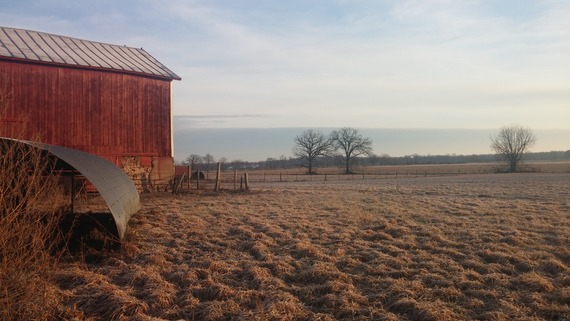
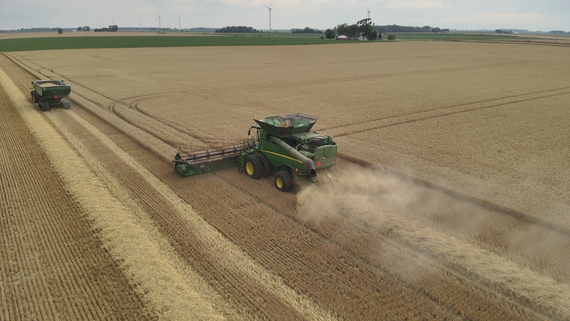
Harvest is one of the busiest times of the year, and it can be all too easy to overlook routine stewardship practices. Taking time to address a few key practices before and during harvest can help protect your operation, reduce potential risks, support healthy soil and support the long-term success of your farm.
As you prepare for harvest, consider adding these practices to your checklist:
-
Reduce soil compaction. Limit heavy equipment use on wet soil whenever possible, keep grain carts and combines on consistent traffic paths, and adjust tire pressure to the lowest safe PSI to help minimize soil disturbance.
-
Manage crop residue. Distribute residue evenly across the field and leave adequate crop stubble to help reduce erosion, protect soil, retain moisture, and provide wildlife habitat through the winter.
-
Plan for cover crops. If cover crops are part of your operation, consider interseeding or seeding as early as conditions allow maximizing fall establishment.
-
Protect waterways and field borders. Note areas of erosion or runoff after heavy rains so they can be addressed following harvest.
-
Maintain equipment and storage areas. Inspect fuel and chemical storage areas for leaks or signs of wear; clean up oil, grease, and other fluids in equipment service areas; and ensure spill response materials are stocked and accessible.
Stewardship is an ongoing commitment, and small actions throughout the year can have a lasting impact on the productivity and resiliency of your operation. you've made changes to your operation or are interested in exploring additional conservation practices, your local is available to provide assistance and help identify opportunities that fit your farm.
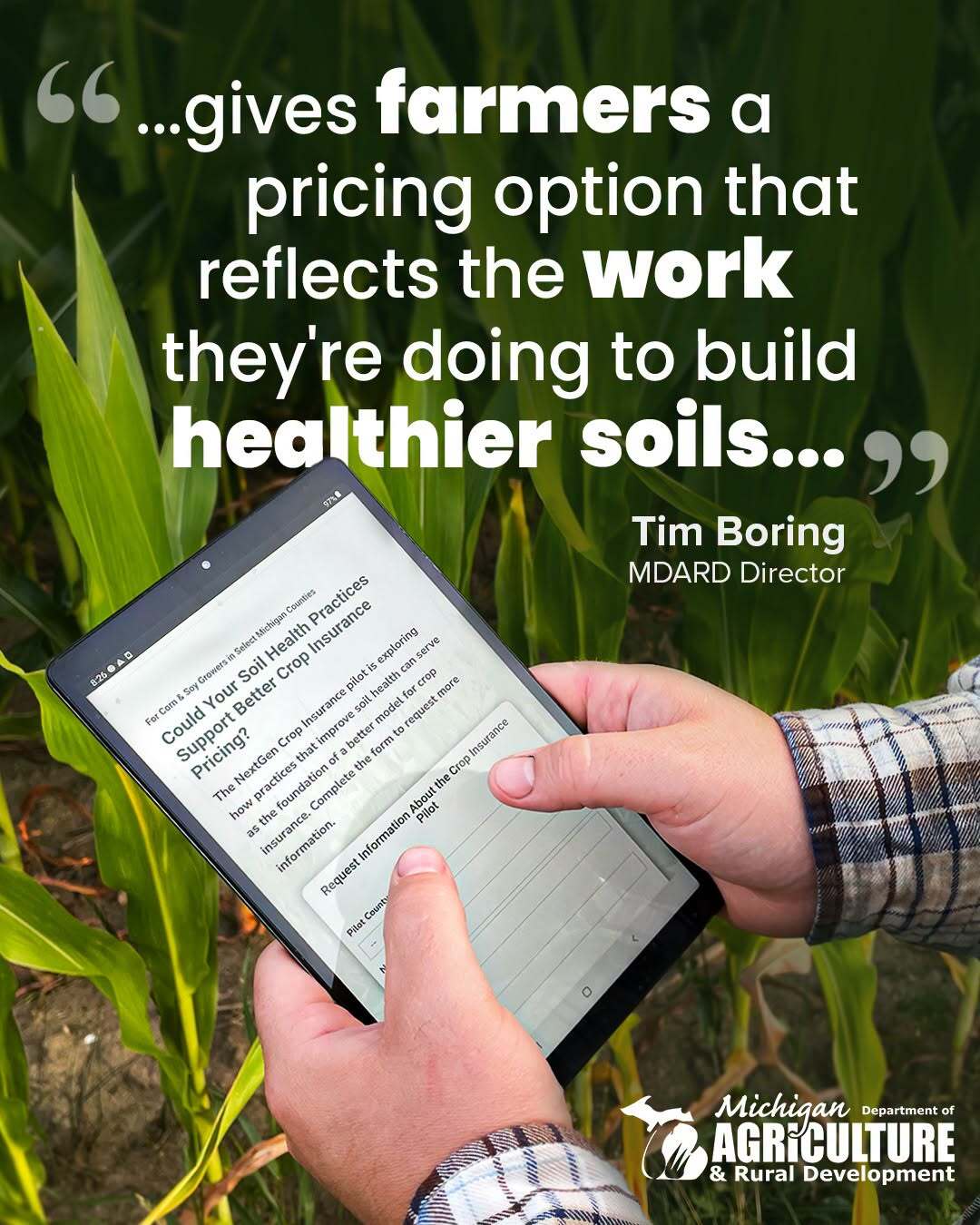
Many farmers recognize that adopting practices that build healthier soils is a long-term investment in the future of their farm. Research shows that practices such as planting cover crops, diversifying crop rotations, and reducing tillage can improve farm resilience and profitability over time. But traditional crop insurance programs are largely based on a producer's historical yields and they do not fully account for the long-term benefits of these regenerative practices.
That's why MDARD is investing in the NextGen Crop Insurance pilot. This groundbreaking initiative is designed to give farmers greater choice and flexibility in their crop insurance coverage when they implement regenerative practices that improve soil health.
The NextGen Crop Insurance pilot will help develop a new insurance model that more accurately reflects the reduced risks associated with regenerative practices, with pricing options designed to better align with farmers' long-term risk profiles.
NextGen Crop Insurance was developed to benefit farmers by:
-
Granting greater choice and flexibility over pricing and coverage options through the pilot’s captive insurance program.
-
Creating the opportunity to receive a dividend after remaining enrolled in the program for at least four years.
-
Potentially lowering insurance premiums when soil health practices reduce the risk of crop loss.
-
Enabling farmers to keep their existing federal crop insurance and their current insurance agent, while receiving supplemental support as they transition to regenerative practices that improve soil health.
The pilot is available for the 2027 crop year to eligible corn and soybean producers in Huron, Saginaw, Sanilac and Tuscola counties who use cover crops, crop rotation, and no/low till. As more data becomes available, the pilot is intended to expand to more counties and crops. Additional eligibility requirements and enrollment information are available through NextGen Crop Insurance web page.
Read more from Farm Journal.
When it comes to adopting new practices, one of the most valuable resources is another farmer's experience. Seeing a cover crop system in the field, hearing what worked, and talking through the challenges can provide insights that research alone can't.
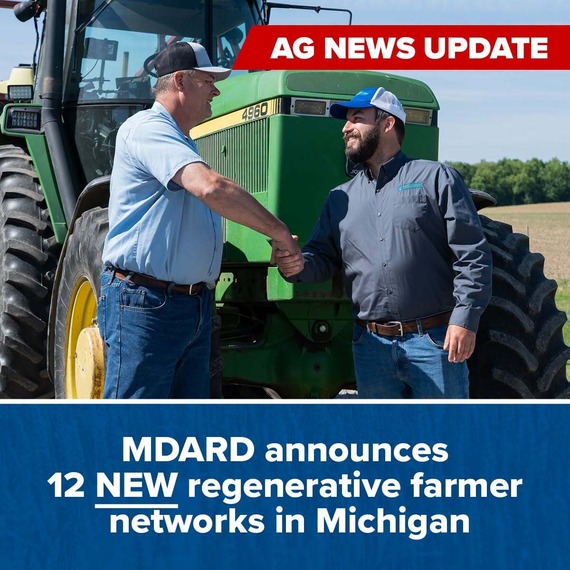
That's the idea behind the Regenerative Farmer Network Grant (RFNG), which provides annual funding from MDARD to help farmers across Michigan build peer-to-peer networks focused on regenerative agriculture.
By fostering farmer-led collaboration, RFNG accelerates the adoption of regenerative practices through shared knowledge, mutual support, and hands-on experience. Regenerative farmer networks play a vital role in scaling sustainable agriculture across the state, empowering farmers to lead, innovate, and support one another in building healthier soils, stronger communities, and a more resilient food system.
- From The Ground League of Growers
- Grown in Detroit: Regenerative Network
- Ionia Resilient Farmer Network
- Michigan Forever Green Field Crops
- Michigan RegenVine Network
- NEMI Regenerative Ag Network
- Regenerative Ecology & Livestock Integration Collective
- Regenerative Pear Growers Network
- Regenerative Tree Fruit Network
- Southern Michigan Small Grains Pilot Network
- Washtenaw County Agroecology Network
- West Michigan Small Scale Regenerative Farmer Network
MDARD and its partners are sponsoring events all summer long for farmers interested in learning practical strategies to improve soil health, increase resilience, and support long-term farm profitability.
Conservation Districts host these events to offer valuable information, networking opportunities, and practical tools that can be applied on farms of all sizes and production types. Attendees will have the opportunity to connect with fellow farmers, researchers, conservation partners, and technical experts who are implementing regenerative practices across Michigan.
MDARD's Regenerative Agriculture Program is one of the first in the nation to be embedded within a state agriculture agency. The program is committed to advancing a regenerative approach to agriculture that fosters prosperity, enhances farm ecosystems, improves community health and supports resilient agricultural systems throughout the Great Lakes region.
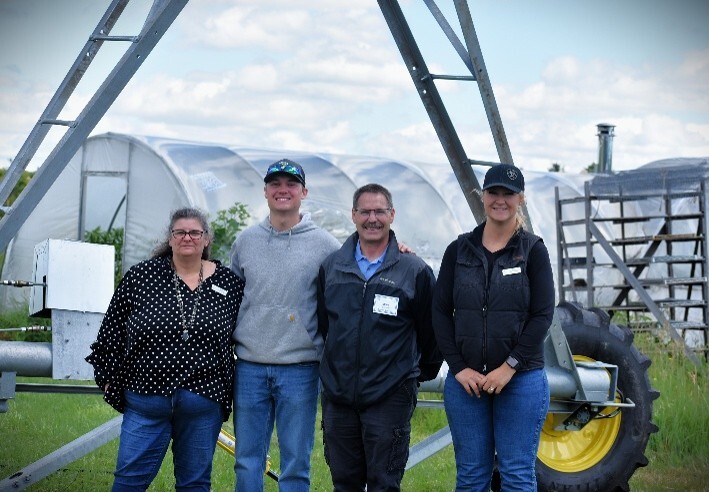
Participants in an MDARD-supported regenerative agriculture field day hosted by Berrien County Conservation District and Flatwater Farms (June 18, 2026)
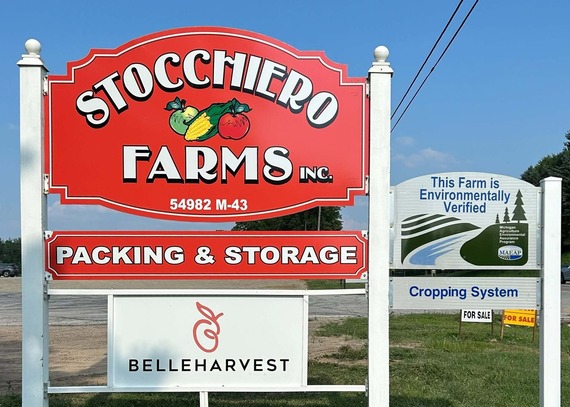
Tony Stocchiero is a fourth-generation farmer at Stocchiero Farms, a fruit and vegetable operation in Michigan. After hearing about MAEAP from other farmers, Tony and his family pursued Cropping System verification to demonstrate their commitment to responsible farming practices.
“We’ve been farming here for four generations, and we want to make sure we’re taking care of the land for the generations to come,” said Tony. “MAEAP verification helped us demonstrate to our customers and our community that we’re committed to being good stewards of the land and the environment.”
Stocchiero Farms is a MAEAP-verified fruit and vegetable farm in Van Buren County.
|