|
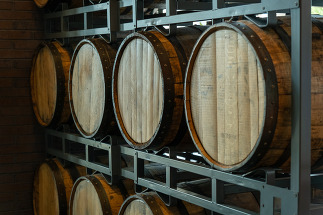
Governor Gretchen Whitmer proclaimed November as Michigan Craft Beverage Month, encouraging Michiganders to responsibly enjoy world-class and locally produced wine, cider, beer and spirits.
Michigan Craft Beverage Month celebrates the more than 200 wineries, 120 small distillers, 400 breweries and 135 cideries that produce nationally recognized craft beverages throughout the state. The hard work of craft beverage producers is reflected by Michigan’s ranking in the top ten nationally for wineries, craft distilleries, craft breweries and hard cideries.
Earlier this year, the Michigan Craft Beverage Council launched Michigan Crafted, a consumer-facing brand that celebrates and elevates Michigan’s craft beverage industry. The Michigan Crafted brand is an invitation to discover the stories, people and places behind every pour of quality beverages grown and produced in our state
To learn more about the Michigan Craft Beverage Council and find Michigan craft beverage businesses near you, visit the Michigan Craft Beverage Council website.
|
|
|
Success Story
Michigan Turkey Producers Cooperative, Inc. is a grower-owned cooperative in Grand Rapids. The cooperative was founded in 1998 by 15 growers who were looking for a way to bring their birds to market locally.
Today, the cooperative harvests 5.3 million heavy toms each year – all grown on 53 West Michigan family farms located across Allegan, Barry, Gratiot, Kent, Mecosta, Montcalm, Muskegon, Newaygo, Oceana and Ottawa counties. In 2006, the cooperative purchased another facility to build a ready-to-eat (cooked) product plant which produced 3.2 million pounds of product in the first year. By 2023, the cooked product plant had increased production to 61 million pounds.
In 2024, the cooperative was reaching capacity and looking for ways to keep up with demand and internal growth. They reached out to MDARD’s Economic and Community Development Specialist for West and Northwest Michigan, Jodi Gruner, who helped them to understand through collaboration, technical assistance and strategic planning how they could receive a Food and Agriculture Investment Program (FAIP) grant from the Michigan Department of Agriculture and Rural Development (MDARD). The funding helped the cooperative increase their freezer and cooler space to improve efficiency, capacity and safety within their workplace. Prior to receiving this support, the cooperative’s racking system for storing frozen and refrigerated products was cumbersome and their blast freezer was too small and inefficient for the amount of product they were freezing. They also lacked enough space to stage their products for shipment, causing strain on their associates and delivery drivers. Expanding their space enabled the cooperative to decrease the stress on their employees and ensure a work life balance that was beneficial to retention while not sacrificing efficiency. Today, the cooperative has a workspace that fits their needs for production and allows them to process and ship their products efficiently.
If you are a Michigan agriculture, food and beverage, or forestry producer and are ready to take the next step – whether it’s expanding your operations, increasing production or bringing new products to market – our economic and community development team is here to help. Visit MDARD - Economic & Community Development to meet, or contact, our team and to learn how we can grow Michigan together.
Read the success story on the MDARD Michigan Success Stories page.
|
|
International Marketing
The International Marketing Program’s 2026 activity calendar is now available! We will again host Michigan pavilions and participate in buyers missions at some of our tried-and-true events including the Sweets and Snacks Expo and the Summer Fancy Food Show.
Food Export’s Summer in the Cities buyers mission will return to Michigan in the summer of 2026. This buyers mission is a great opportunity to connect with international buyers from around the world without leaving Michigan.
A full list of our 2026 activities is located on the Michigan Ag Export events web page.
Interested in participating with us in 2026? Email MDARD’s International Marketing Program!

|
|
|
MDARD will accept applications for Rural Development Fund Grants now through 5 p.m. (EST) Wednesday, December 3.
Rural Development Fund Grants promote the sustainability of land-based industries and support infrastructure benefiting rural communities in Michigan. Land-based industries include food and agriculture; forestry; mining; oil and gas production; and tourism.
Rural Development Fund Grants are available for projects focused on:
- The expansion and sustainability of land-based industries.
- Worker training related to land-based industries.
- Energy, transportation, housing, communications, water and wastewater infrastructure to benefit rural communities and micropolitan statistical areas.
Eligible counties include those with a population no greater than 70,000 residents or micropolitan statistical areas. Communities may self-identify as rural if they can provide an example of a state or federal program that classifies them as rural. Applicants must specifically reference the state or federal program within their application. For a complete list of eligible counties, visit the Rural Development Fund Grant website.
Proposals must be received online through the MiAgGrants system no later than 5 p.m. (EST) on December 3, 2025. Proposals received after 5 p.m. (EST) will not be considered.
View the full Rural Development Fund press release.
|
|
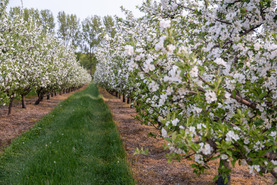
MDARD announced that it has distributed $2.08 million of funding to 19 food and agriculture entities throughout Michigan under the U.S. Department of Agriculture’s (USDA) Specialty Crop Block Grant Program.
In testimony before the U.S. House of Representatives and the U.S. Senate earlier this year, Director Boring urged Congress to maintain high and consistent funding for the Specialty Crop Block Grant Program.
The USDA Specialty Crop Block Grant Program provides funding to U.S. states and territories to enhance the competitiveness of fruit and vegetable, tree nut, dried fruit, horticulture and nursery crop production. MDARD uses those funds to award specialty crop block grants to eligible Michigan entities annually through a process.
Michigan is a top five U.S. producer of specialty crops including apples, asparagus, blueberries, dry beans, squash and nursery plants. These specialty crops are critical to the health and resiliency of Michigan's nearly $126 billion food and agriculture industry.
Visit the MDARD Grants Program web page for more information about how we can help you. Or email the MDARD Grants Program.
View the SCBG press release and list of recipients.
|
|
|
|
MDARD will accept public comments on funding priorities for Michigan’s 2026 Specialty Crop Block Grant Program until 5 p.m. (EST) on November 28, 2025.
Based on public input, last year’s funding priorities for Michigan Specialty Crop Block grants included:
- Market enhancement to promote specialty crops
- Market Expansion, Availability and Access to Specialty Crops
- Marketing opportunities for Michigan farms to institutional buyers
- Research and development relevant to specialty crops
- Plant Health & Pest Management
- Farm Sustainability
- Training and education addressing local, regional and national challenges confronting specialty crop producers
- Enhancing Food Safety
- Environmental Sustainability
- Educational training opportunities to enhance Michigan’s specialty crop workforce
Please email all public comments to the MDARD Grants Program by 5 p.m. (EST) on November 28. The input received will be considered when developing final program priorities for 2026.
Visit MDARD’s grant webpage for more information on Michigan’s Specialty Crop Block grants.
|
|
|
A Certificate of Free Sale, often called “Certificate for Export” or “Certificate to Foreign Governments,” is a certificate used as evidence that goods such as food items, cosmetics, biologics or medical devices are legally sold or distributed in the open market and approved by regulatory authorities within the United States. This certificate is required by certain countries to demonstrate that your product is eligible for export.
MDARD issues Certificates of Free Sale for facilities located in Michigan that are licensed and in good standing.
Tips to ensure you receive your certificate by shipment date:
- Please request your Certificate of Free Sale at least two to three weeks prior to when you need it. Processing time is 3 to 5 business days. Submitting your request early will ensure your certificate is ready when you need it.
- Include the license number for the location where the product is manufactured or processed. This is especially important for companies that have processing in multiple locations.
- Include your UPS coding and address for expedited delivery.
Requirements and processes are different for food products, animal feed products and fertilizers. Learn the requirements and steps for obtaining a Certificate of Free Sale.
Contact MDARD for additional questions.
|
|
|
|
|