American Academy of Pediatrics (AAP) released its 2026 Vaccine Guidance, which maintains broader routine pediatric vaccine recommendations and has been endorsed by 12 major medical organizations, formally breaking with the CDC’s scaled-back schedule and highlighting a growing divide between federal policy, the medical community, and many states, including Maine.
Because RSV continues to circulate, it is recommended to protect infants younger than 8 months of age through administration of nirsevimab (Beyfortus, Sanofi) or clesrovimab (Enflonsia, Merck) through March 31 in the continental United States.
RSV immunization remains important for all infants younger than 8 months who are not otherwise protected. Children at high risk for severe RSV disease aged 8–19 months should receive nirsevimab (Beyfortus) during their second RSV season. Clesrovimab (Enflonsia) is not recommended for children aged 8 months or older.
Resources:
American College of Obstetricians and Gynecology (ACOG) -
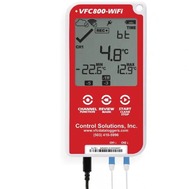
The VFC 800 – Wi-Fi smart probe back-up data loggers will begin shipping to each individual enrolled VFC and Adult 317 provider location on Friday, January 30, 2026. Expect shipments to arrive between February 4th – 12th via UPS.
What to Expect
ONE back-up data logger will be shipped to each enrolled provider site. Anticipated arrival dates between the first and second week in February.
Individual emails with shipment date will be sent to each assigned vaccine coordinators, including a recording to include a refresher and step-by-step instructions for when set-up is needed.
When receiving the back-up, confirm all parts are included in the box and store in appropriate location accessible to all staff.
The new back-up data logger comes with a two-year calibration certificate.
Back-up Data Logger Use & Setup Guidelines
Back-up DDLs are expected to be used for emergency and transport use only
They will not be connected to LogTag Online when received.
The new back-ups should remain in the original box and not configured or added to LogTag Online unless needing to replace the primary data logger and connecting to Wi-Fi.
Store all back-ups in a designated place, accessible for emergency or transport use, ready for configuration as needed.
Do Not Discard Existing Data Loggers
Retain your current data loggers for emergency use if additional data loggers are needed.
Ensure all back-up data loggers designated for use have a valid calibration certificate.
Please note – the back-up data loggers set-up to LogTag Online dashboard is NOT needed unless the primary data logger is being replaced.
Calibration Reminder
VFC 800 Wi-Fi Smart Probe data loggers allow calibration without removing the device from service. Prior to calibration expiration, locations are responsible for purchasing a new calibrated Smart Probe for each device.
Cost: $95 per probe
Calibration: Includes a two-year calibration certificate
The Hepatitis B Foundation will host two 1-hour webinars this February on the HepB birth dose.Protecting Infants from Day One: Evidence for HepB Birth Dose Impact and How Clinicians Can Build Parent Confidence at 3:30 p.m. (ET) on February 3, will highlight four decades of evidence showing how universal newborn HepB vaccination helped eliminate hepatitis B virus (HBV) transmission and childhood liver cancer among Alaska Native communities. The session will also provide practical strategies for talking with parents about the HepB birth dose, including explaining the vaccine schedule, addressing common concerns, and fostering confidence in early immunization.Register for the webinar.
February is recognized as National Cancer Prevention Month. This observance aims to raise awareness about cancer and encourage prevention. February 4th is dedicated to mobilizing action to address global cancer epidemic, with a focus on cervical cancer, which is significantly impacted by Human Papillomavirus (HPV). The HPV vaccine is a key preventive measure, with the recommendation for children starting at age 9. The vaccine is most effective in preventing HPV related cancers when given in early adolescence before any exposure to HPV and is crucial for reducing cervical cancer rates.
If you have any questions, please contact the Maine Immunization Program at: Main Line: (207) 287-3746 ImmPact Helpdesk: (207) 287-3006 / Support/Education: (207) 287-9972