As we move into the holiday season, we want to remind providers of the the VFC/317 & Direct Ship Vaccine Holiday Shipping Calendar for the 2025–2026 season.
This calendar outlines expected delivery schedules, federal holidays, and shipping interruptions for McKesson, Merck Direct Ship, and Pfizer COVID Direct Ship orders.
Key Reminders:
Routine McKesson shipments can take up to 4 business days to process before shipping.
Orders placed near federal holidays may experience delays of more than 4 days.
Flu and direct ship vaccines cannot be shipped as priority orders
Providers should maintain a minimum of 4 weeks of vaccine inventory to prevent outages due to weather or carrier delays.
Providers with modified business hours must ensure hours are updated in VTrckS to prevent shipping issues.
As with flu vaccines, the shelf life for COVID-19 vaccines varies each season, and is normally less than that for other routine vaccines. Below is information about what you can expect for the shelf life of 2025–2026 COVID-19 vaccines.
Moderna:
Expect shelf life to range between 3–6 months, depending on when doses are produced and shipped.
As the season progresses, dating may be shorter.
Pfizer:
Doses for individuals 12 years and older will arrive refrigerated with at least 12 weeks of remaining shelf life.
Doses for children 5–11y will arrive ultracold with at least 3 months of remaining shelf life (when stored at ultracold storage temperature).
As the season progresses, dating may be shorter.
Sanofi/Novavax:
Providers should expect expiration dates to be around December 31, 2025.
Sanofi is working with FDA on shelf-life extension this season.
COVID-19 Vaccine Information Sheet (VIS) is currently being revised by the CDC and expected to be available soon.
In the meantime, providers must continue to present the most current VISs for all other vaccines covered under the National Vaccine Injury Compensation Program (VICP). Providers should not delay vaccination, while awaiting the updated COVID-19 VIS. If a VIS is not yet available, providers may use the manufacturer's package insert, written FAQs, or other document to inform patients about the benefits and risks of that vaccine. Providers may also produce their own information materials for patients.
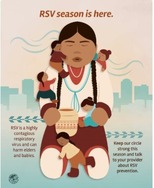
The NCUIH RSV Resource Toolkit offers culturally tailored materials to raise awareness about RSV and prevention in American Indian and Alaska Native communities. The site includes downloadable posters, social media graphics, newsletter content, and key RSV facts to help organizations share important and accurate health messages.
For resources and more information, visit the website here.
The Common Health Coalition has developed a guide to help clinicians use shared clinical decision making (SCDM) when it comes to respiratory vaccines, including COVID-19, flu, and RSV. The resource explains how to talk with patients about vaccine benefits and risks, offering
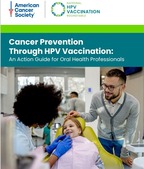
The American Cancer Society and the National HPV Vaccination Roundtable has partnered have released Cancer Prevention Through HPV Vaccination: An Action Guide for Oral Health Professionals. This guide for oral health providers offers evidence-based strategies for discussing HPV vaccination with patients and families to help prevent HPV-related cancers.
If you have any questions, please contact the Maine Immunization Program at: Main Line: (207) 287-3746 ImmPact Helpdesk: (207) 287-3006 / Support/Education: (207) 287-9972