|
The Infectious Disease Epidemiology program is a program under the Maine CDC- Division of Disease Surveillance. It works to monitor and prevent infectious diseases in Maine. Infectious diseases are very common worldwide and in Maine. These diseases are caused by certain viruses, bacteria, fungi, or parasites.
Maine CDC Field Epidemiologists and Regions:
- Aroostook and Downeast: Maura Lockwood
- Penquis: Stacie Poulin
- Central: Devin Myles
- Mid Cost: Megan Kelley
- Western: Sarah Bly (Supervisor)
- Cumberland: Emer Smith
- York: Craig Rothfuss
Functions of a Field Epidemiologist:
- Outbreak Investigations
- Individual Investigations
- Consults
- Laboratory Coordination
Data Highlights:
- COVID-19 cases are the highest among respiratory illnesses in the state, the Downeast region with 893 in Hancock County and 467 in Washington County.
- Lyme disease cases are the highest vector borne illness in Maine with 382 in Hancock County and 101 in Washington County. The tick populations and infection rates can vary over both large and small geographic distances.
- 46.4% of the ticks submitted and tested were positive for Lyme disease in Hancock county while 33.3% in Washington county. Access the UM Tick Surveillance Program Report.
Disease Reporting:
Disease reports from community practitioners and laboratorians constitute the basis for effective public health prevention and intervention efforts. Diseases can be reported by physicians, physician assistants, infection control practitioners, clinical microbiologists, extended care facility nurses, administrators, nurse practitioners, clinical office staff, and others, whose efforts are critical in maintaining public health in Maine.
More information:
H5 Bird Flu: U.S. Current Situation
Measles U.S. Cases and Outbreaks
Maine Infectious Disease Dashboard
Maine Influenza Surveillance
Annual Report 2023 Reportable Infectious Diseases in Maine
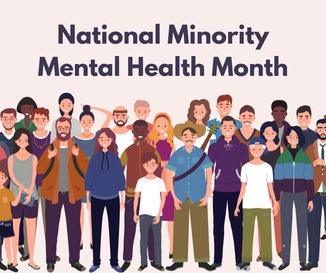
Mental health includes the emotional, psychological and social well-being that affects how an individual thinks, feels, acts, handles stress, relate to others and make choices. Throughout the life span, mental health is as important as physical health.
Data shows that:
- 20% of adults in the United States experience mental illness every year.
- 25% of adults in Maine have a mental health condition.
- Over 50% of State Mental Health Agencies (SMHA) clients served in Maine were White (2023).
- 17.3% of these agencies clients were Black or African American.
- The majority of SMHA clients served were non-Hispanic 68.5%, while 15.2 % were Hispanic.
Improving the mental health of members of minority group can be done by ensuring that policies and programs related to mental health include and address:
- Best practices for social determinants of health, data on mental health, and the historical, social, and cultural factors impacting racial and ethnic minority groups.
- Perspectives, ideas, and decision-making from racial and ethnic minority groups at all stages of programming – from planning to evaluation.
- Evaluation and monitoring activities to assess progress towards health equity and elimination of racial disparities.
- Culturally and linguistically appropriate, inclusive, and respectful educational materials and communication activities.
- Partnership activities to fill gaps in expertise and ensure diverse representation.
Healthcare systems also have a responsibility in improving the mental health of minority groups by:
- Screening patients for depression and other mental health conditions and referring patients to accessible mental health care services.
- Making mental health educational materials available to all patients during their appointments, via patient portals, and in waiting rooms.
- Ensuring mental healthcare services are culturally and linguistically appropriate.
More information:
Mental health
Minority Health
NAMI Maine
SAMHSA Report
Summer brings sunshine and outdoor adventures, but it also means increased exposure to UV rays, making skin protection more important than ever.
What is UV?
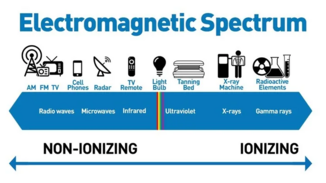
Ultraviolet rays or radiation is a type of electromagnetic radiation, which is a type of energy that spreads as it travels. UV radiation exposure can occur naturally from the sunlight, which is the main source of both UVA and UVB rays that can damage the skin. There are also artificial sources of UV radiation such as sunlamps, sunbeds, phototherapy, black-light lamps, welding arcs, and others.
UV rays Risks?
Exposure to UV rays whether from the sun or other sources is a major risk factor for all types of skin cancer. The risk is higher for people with weakened immunity, personal or family history of skin cancer and if they have large or several moles on their skin.
What organizations can do?
- Encourage sun safety among your employees and provide sun protection when possible.
- Use tents, shelters, and cooling stations to provide shade at worksites.
- Schedule breaks in the shade and allow workers to reapply sunscreen throughout their shifts.
- Create work schedules that minimize worker's exposure to the sun and heat. For example, schedule outdoor tasks for early morning instead of noon, and rotate workers to reduce their UV exposure.
- Include sun-safety information in workplace wellness programs. The National Cancer Institute's Evidence-Based Cancer Control Programs website lists sun safety programs for outdoor worksites.
- Teach outdoor workers about the risks of exposure to UV rays and the symptoms of overexposure.
- Protect yourself and your families from the sun.
Learn more:
UV Index: forecasts the strength of UV rays each day. If 3 or higher in your area protect your skin from harmful rays.
Test your Sun Safety IQ
Know your cancer risk
Skin self-exam
Find a Dermatologist near you
Invitation to Participate
A Master's student is conducting a study on the Utilization of Tele-dentistry in Downeast Maine. If you are a dental professional practicing in Hancock or Washington counties on adults and are interested in participating in this research, please contact: hlkmoha3@liverpool.ac.uk.
Note: Participation is voluntary.
*The current or previous use of tele-dentistry is not a requirement.
|