New Tobacco Treatment Resources: QuitLink
Maine Department of Health & Human Services sent this bulletin at 06/17/2020 11:25 AM EDT Having trouble viewing this email? View it as a Web page.

Maine CDC and Office of Behavioral Health are pleased to support MaineHealth CTI in announcing new tobacco treatment resources to help individuals and behavioral health professionals in addressing tobacco use.
Though rates have decreased overall in Maine, smoking and tobacco use remains significantly high among individuals with behavioral health conditions.
As quitting can improve mental health and substance use disorder treatment outcomes, please join us in sharing and promoting the use of these evidence-based services as described in the attached flyer and include:
Maine QuitLink (formerly the Maine Tobacco HelpLine) Intensive Behavioral Health Coaching Program
Tailored to meet the needs of tobacco users with a behavioral health condition. The program includes:
- 7 proactive calls from a Quit Coach, unlimited inbound call support.
- Quit Coaches trained in the specific challenges faced by tobacco users with a behavioral health condition.
- 12 weeks of combination nicotine replacement therapy (patch +gum or patch+lozenge) sent directly to the person’s home in three, four week shipments.
- Letter sent to the participant’s provider outlining the importance of supporting the patient in quitting tobacco.
- Ability to opt into standard text, email and web portal services.
Quit Coaches provide evidence-based services using the Treating Tobacco Use and Dependence Clinical Practice Guideline (U.S. Public Health Service, 2008). Free Nicotine Replacement Therapy (NRT) is offered to eligible Maine residents, age 18 or older.
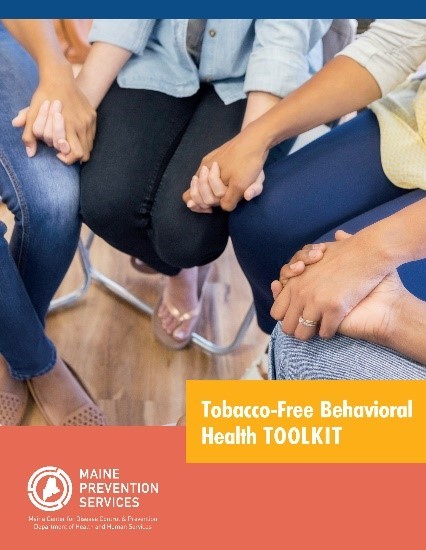
Free Tobacco-Free Behavioral Health Policy Toolkit – a policy change resource
|
|
Developing best practice tobacco-free policies and providing screening and treatment for tobacco use at behavioral health facilities will:
|
Free Continuing Education Trainings for Behavioral Health Professionals
Learn more about the health burden of tobacco and nicotine on individuals with behavioral health conditions, real and perceived barriers to providing treatment in mental health and substance use settings, and opportunities for treatment.
|
|
|
|
|
|