MELeaf: A Newsletter From the Horticulture Program, April 14, 2025
In this issue:
Thanks to Rebecca Long from University Maine Cooperative Extension for sharing this information.
Save yourself time answering questions and increase customer success by directing them to University of Maine Cooperative Extension’s Gardening Resources! This resource will teach you how to create your own QR codes you can add to signs posted in your nursery or greenhouse to direct customers to helpful growing resources. Picture a sign, right next to your highbush blueberry plants, with a QR code that links to a publication with all the information your customers need to ensure the plant they buy from you succeeds.
The Maine Department of Agriculture, Conservation and Forestry is hosting a free, two-day virtual workshop on invasive jumping worms (Amynthas spp.) on June 17 and 18 from 1 to 4 pm. Learn about the latest research, monitoring efforts and emerging management approaches. Join the virtual session to engage and connect with speakers in dedicated Q&A sessions and interact with attendees from different states and all knowledge backgrounds.
The Horticulture Program recently received notice that a handful of Maine greenhouses received shipments of plants that were potentially infested with Thrips parvispinus from an out-of-state supplier. We will be reaching out individually to the affected businesses. The timing of this introduction, early in the growing season, is particularly discouraging as these thrips reproduce rapidly and there is plenty of time for thrips populations to build to damaging levels before the sales season is in full swing.
We’ve talked about T. parvispinus in the MELeaf before. This tropical thrips has a large host range and while we don’t expect that they can survive year-round outside in Maine, they can survive in protected greenhouses and seasonal introductions could lead to damage and reduced yields in susceptible crops, like peppers and tomatoes, that are grown both indoors and outside.
All thrips can be difficult to detect and control, and T. parvispinus is no exception. The insects are tiny and like to hide in protected parts of the plants – buds, under leaves, leaf axils, flowers etc. Tapping plants on a white sheet of paper can help with detection and use of a good hand lens or other magnification is also helpful. Plant symptoms to look for include, silvery scars on leaves, distorted or deformed leaves and flowers, and scarring on fruits. This factsheet from PennState Extension has good pictures and information on control.
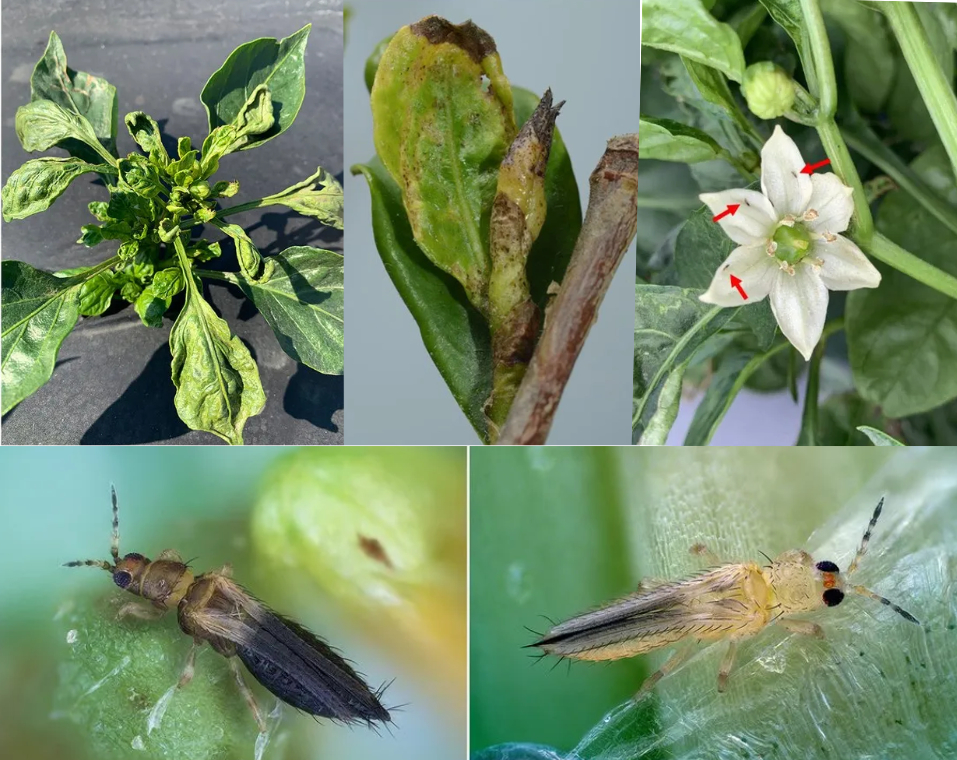 Top L to R: Damage on Pepper. Damage on gardenia. Adults on a pepper flower. Photo Credits: Ana Meszaros, UF-IFAS. Bottom: Close up of adult female left and male, right. Photo Credit: www.thrips-id.com
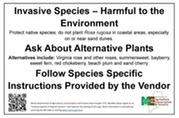
Now is also the time to check your plant inventory and any incoming plant shipments to ensure that you do not have any plants for sale that are on the Invasive Plant Do Not Sell List. The ban on the sale of these plants includes all varieties, cultivars and hybrids of the listed species, even varieties that may look quite different from the straight species. Also, be aware that some plants may be sold under alternate scientific names. The Invasive Plant Guide for Maine Horticultural Businesses lists many of the alternate scientific names and common varieties for some of the invasive plants as well as a host of other information about the invasive plant rule. If you don’t already have a copy, order one for free using the outreach materials request form.
|
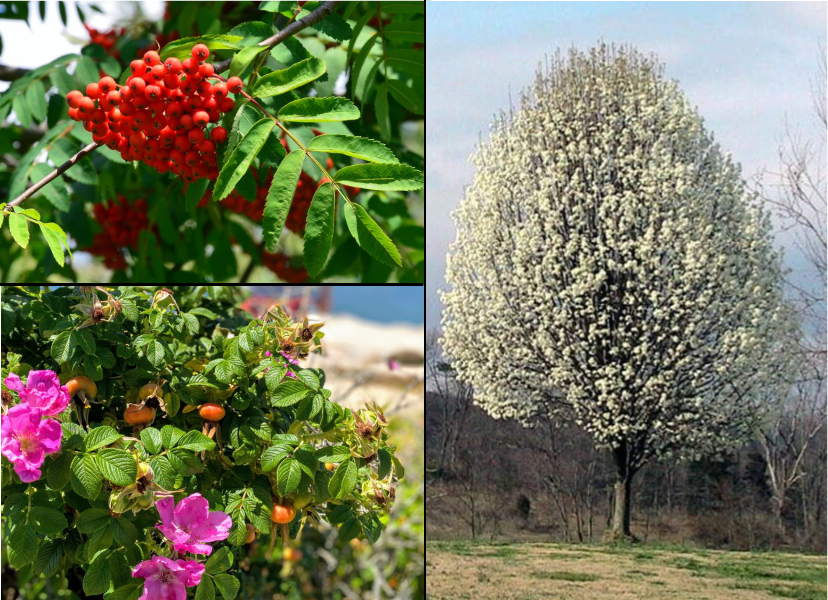 European mountain ash (top left) and Callery pear (right) are on the Invasive Plant Do Not Sell List. Rosa rugosa (bottom left) for sale must have signage that indicates it can be invasive in some environments.
|