|
Dear School IPM Coordinators,
You may have heard about bird flu (Highly Pathogenic Avian Influenza, HPAI) on the news and wondered if there are any steps you should take to keep students and staff safe at your school. I have discussed this with experts from the Maine Centers for Disease Control and Prevention (Maine CDC) and Maine Inland, Fisheries and Wildlife (Maine IF&W) to create a precautionary checklist and resource page for your reference.
While the general risk of HPAI spreading to humans remains low, it is always prudent to take reasonable precautions to protect the health of students and staff. At this time, there have been no human cases reported in Maine, and the majority of U.S. cases have involved people with direct, prolonged exposure to infected animals on farms. The risk for Maine’s commercial and backyard flocks is high and HPAI is likely present in wild bird populations (verification is ongoing). However, public health officials continue to assess and monitor the situation, and we encourage schools to take simple, proactive steps to minimize potential exposure.
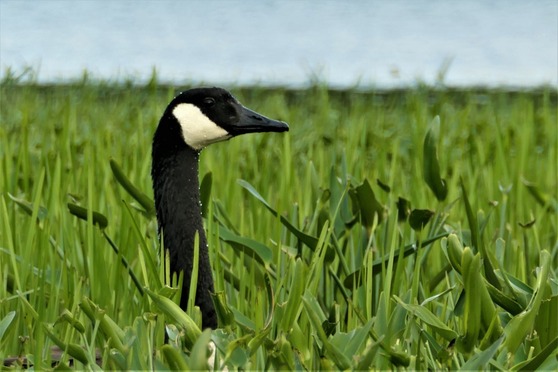 Checklist:
-
Monitor school grounds for populations of wild geese, ducks, seagulls, turkeys, and any wild birds or other wild animals that are behaving oddly or found dead. Consider keeping records of new or large wild bird populations when seen in your IPM logbook using the Pest Management Activity Log.
-
Communicate with staff and students to never touch dead animals. If a dead wild animal is found on the property, call the IF&W Warden Service Dispatch at (207) 287-8000 or after hours at (800) 452-4664.
-
If you find a sick or injured animal, please contact a wildlife rehabilitator on this list of licensed wildlife rehabilitators in Maine.
-
Monitor playground equipment for bird and animal feces each morning and clean as needed. Clean off any visible feces, and then disinfect with an EPA registered disinfectant known to be effective against this bird flu. As always, personal protective equipment must be worn while cleaning, including disposable gloves, a mask, safety goggles, long sleeves, pants, and closed toe shoes. Wash hands after removing gloves, and either wash or change potentially contaminated clothing and footwear before walking through the school.
-
Scout hallways adjacent to entrances each morning and after recess for bird feces on the floors. As with playground equipment, immediately clean feces. If this occurs, increase monitoring playground equipment, walkways, and other outdoor spaces children and staff are spending time in.
-
Consider a routine to prevent fecal matter from spreading from footwear to floors. At the minimum, a rug both outside and inside of doorways should be present and students should be encouraged to wipe off their boots and wash hands after returning from the playground or other outdoor areas. Another helpful option could be to install an exterior boot brushing station.
-
Remove bird feeders and ensure outside areas are clean of any loose garbage and food scraps. Keep plants surrounding the school trimmed so there is at least a two-foot gap between plants and the outside walls of buildings. Bird feeders attract wild animals to the property, increasing the risk of a sick bird dying on-site. This bird flu can also spread through shared feeding stations. Additionally, rodents tested on farms have recently been found to carry this bird flu and test positive for the virus. Reducing attractants, such as spilled seed, can help deter rodents. Keeping plants trimmed will also minimize rodent harborage between the ground and the school.
-
Coordinate with teachers and administrators to limit student exposure to livestock and wild animals. Schools can work with teachers and administrators to minimize student contact with livestock and wild animals, reducing the risk of disease transmission. This may include adjusting farm, fairs, or petting zoo visits, limiting animals brought into classrooms, and reviewing protocols for student care of poultry or other animals.
-
Take care when cleaning up after rodent infestations and disposing of captured rodents in traps. Wear gloves and thoroughly soak urine or droppings with a bleach solution (example label; always read and follow the label; it is the law) or EPA-registered disinfectant, letting it sit for at least five minutes. Wipe up the waste with paper towels, dispose of them in a covered trash can, and clean all hard surfaces with disinfectant. Wash gloved hands before removing gloves, then wash hands again with soap and water or use hand sanitizer if soap is unavailable. This page has excellent illustrations.
-
Facilities employees and custodians who have been cleaning animal feces or captured rodents should monitor for signs and symptoms of this bird flu. Symptoms include new respiratory illness symptoms, and/or conjunctivitis (eye redness), beginning after their first exposure and for 10 days after their last exposure. Persons who develop any illness symptoms should inform their provider of their potential recent exposure.
Resources:
Contacts:
-
To report sick or deceased WILD birds, please email ME Inland Fisheries & Wildlife at WildlifeDiseaseRpts.IFW@maine.gov.
-
Wildlife technical and control assistance: Robin Dyer, State Director of Wildlife Services (robin.a.dyer@usda.gov)
-
For human health questions: Maine CDC’s 24-hour infectious disease reporting and consultation line (1-800-821-5821).
-
For school IPM questions: Hillary Peterson, DACF IPM Specialist (hillary.peterson@maine.gov).
|