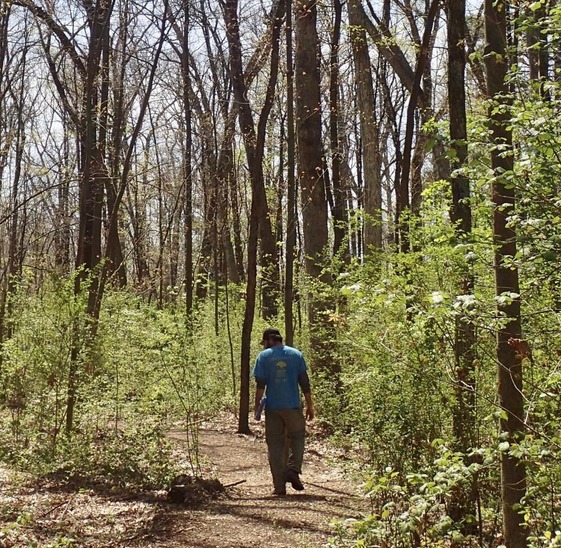
Invasive shrubs in Northeast forests grow leaves earlier and keep them longer
PENN STATE — The rapid pace that invasive shrubs infiltrate forests in the northeastern United States makes scientists suspect they have a consistent advantage over native shrubs, and the first region-wide study of leaf timing, conducted by Penn State researchers, supports those suspicions.
With the help of citizen scientists spread over more than 150 sites in more than 20 states, researchers collected thousands of observations over four years of exactly when both invasive and native shrubs leaf out in the spring and lose their leaves in the fall. The study area was expansive, stretching from southern Maine to central Minnesota south to southern Missouri, to North Carolina.
“Eastern North America is the recipient of more invasive shrub species into natural areas than any other geographic region of the world,” said lead researcher Erynn Maynard-Bean, postdoctoral researcher in the College of Agricultural Sciences, working under the guidance of Margot Kaye, associate professor of forest ecology. “Invasive shrubs are growing in both abundance and in the number of species established at the expense of many types of native species.” Read more...
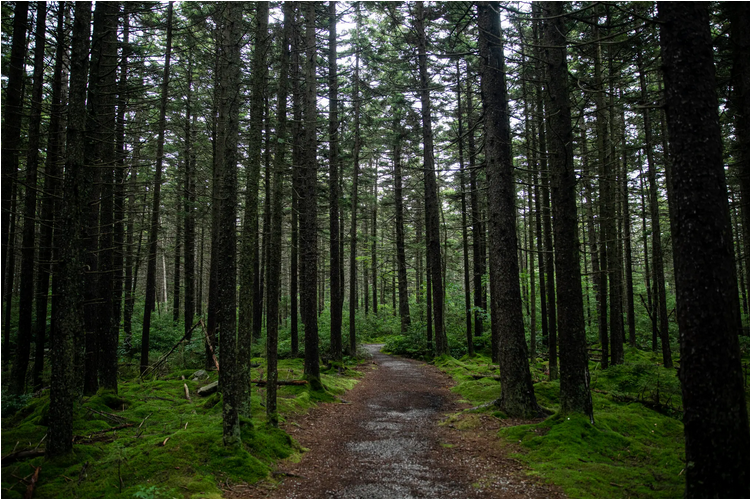 NYT - Restoring global forests where they occur naturally could potentially capture an additional 226 gigatons of planet-warming carbon, equivalent to about a third of the amount that humans have released since the beginning of the Industrial Era, according to a new study published on Monday in the journal Nature.
The research, with input from more than 200 authors, leveraged vast troves of data collected by satellites and on the ground and was partly an effort to address the controversy surrounding an earlier paper. That study, in 2019, helped to spur the Trillion Trees movement but also caused a scientific uproar.
The new conclusions were similar to those in a separate study published last year. Mainly, the extra storage capacity would come from allowing existing forests to recover to maturity. Read more...
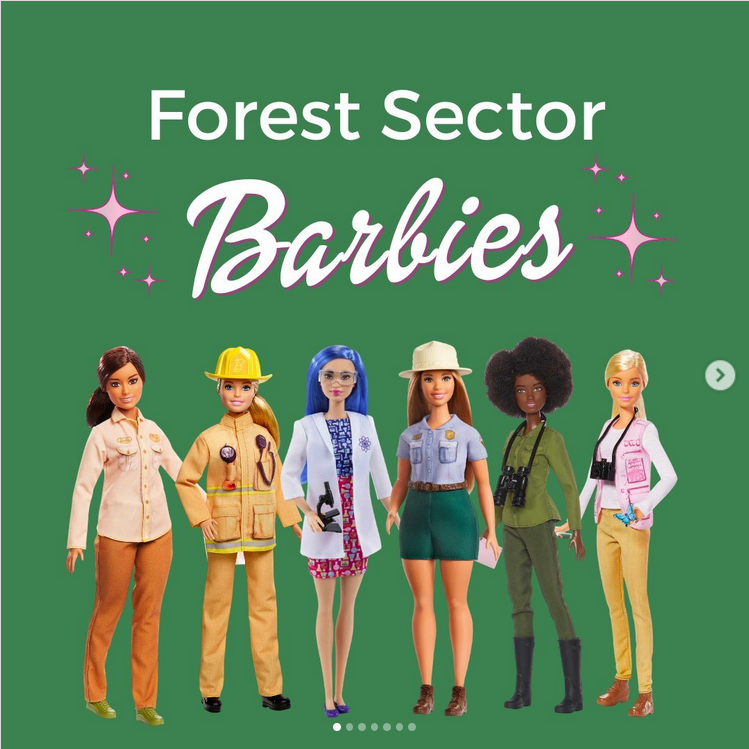 Institute of Chartered Foresters - The National Association of State Foresters (NASF America) were quick off the mark with the film release of Barbie in July 2023. They produced a suite of forestry careers in a Facebook post less than two weeks later!
I have no idea if you ever had Barbies or have bought them in recent times – I didn’t and haven’t. Using the series of Career Barbies, a genius at the NASF came up with job descriptions and images for:
-
Forest Barbie (‘Eco leadership team’ Barbie set)
-
Forest Ranger (Park Ranger Barbie)
-
Urban Forester (Conservationist Barbie)
-
Forest Scientist (Scientist Barbie)
-
Wildfire Firefighter (Firefighter Barbie)
-
Forest Entomologist (Entomologist Barbie)
The job descriptions are short, fun, and got me thinking. How could we use Barbie to promote the range of careers in forestry, targeted at young females in particular? Read more...
Article Sets Record Straight On Value Of EAB Management
When Climate Comes Home: Jay, Maine
Volcanoes vs. Doughnuts
Living near green space linked to better cellular health in a new study
Dec 4 - Emerald Ash Borer and Other Tree Health Concerns DACF Update for Cities and Towns
Maine Department of Agriculture, Conservation and Forestry will host guest speakers and provide an update for city and town tree and forest managers and public works staff on the known status of emerald ash borer in Maine, current state efforts, municipal opportunities as well as updates on other insects and diseases affecting forests and trees.
Agenda:
-
Brief Introduction, Jan Santerre, Maine Forest Service
-
Timing Considerations for The Treatment of Emerald Ash Borer, Jeff Gillis, WellTree, Inc
-
Lessons Learned: Considerations for Managing Emerald Ash Borer and Ash Trees in Municipalities, Cliff Sadof, Purdue University Cooperative Extension
-
Maine Perspective: Working With Cities And Towns On Ash Management, Tom Ford, The Davey Tree Expert Company
-
Department Emerald Ash Borer Update, Gary Fish and Mike Parisio, Maine Department of Agriculture, Conservation and Forestry
Supplementary RTP Grant Cycle Now Open!
Due primarily to a limited period increase in available RTP funding, the Grants & Community Recreation Program is holding a supplementary grant cycle for eligible trail projects. This grant cycle is now open and will remain open through mid-March 2024.
Applications will be accepted through 5:00pm, March 15, 2024.
Applicants may request up to $50,000 for the regular project category, or up to $120,000 for a large-scale project. See the website for more details.
The application documents now posted on the RTP Website will remain up for your use in this extra funding cycle.
Projects awarded in this grant cycle will have two full construction seasons within which to complete the proposed work.
|