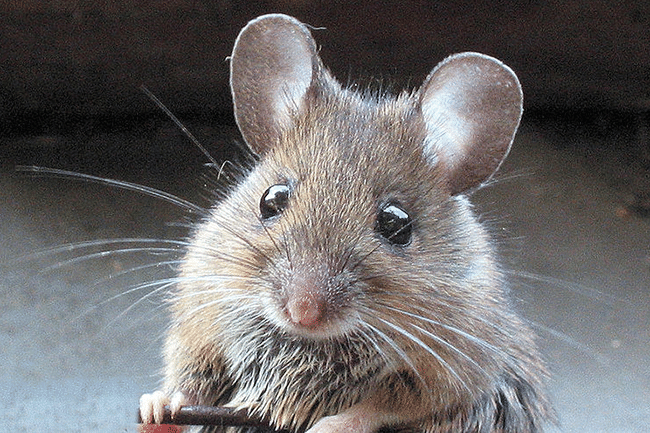
Autumn Invader - House Mouse
The house mouse has large black eyes, large ears, a small pointed nose, and a long almost hairless tail (if pulled back over its body it would reach to the tip of its nose.)
The house mouse looks for room and board in warmer accommodations at this time of year. No matter how clean your home, you may find that one or two have made their way inside to overwinter. Though truly amazing creatures, they should be evicted as soon as they are noticed. They were not always on these shores but traveled uninvited aboard ships with explorers and colonists to North America, then spread with them inland from sea to sea. They are now found in every state and are considered among the most troublesome and economically important rodents in the United States.
If they would just stay outdoors, I'd be much more appreciative of their amazing abilities. The house mouse can:
- Jump one foot high
- Climb walls and the side of buildings with just the slightest bit of rough surface
- Walk across wires and cables
- Squeeze through ¼-inch diameter holes (less than half the diameter of a dime!)
- Swim
- Chew through plastic, wood, aluminum siding, sheetrock, and lead or copper pipes
- Memorize locations of food
- Survive without a water source
- Reproduce quickly – a female may have five to ten litters per year, each with 5-6 young
House mice are generally most active at night, searching out food at dawn and dusk. They prefer seeds and grains but will sample other foods by nibbling. Foods in your pantry that they will most likely nibble are those high in sugar, protein, and fat such as nuts and chocolate. They use their highly developed sense of smell, taste, and touch to locate food. They hug walls when traveling and make nightly rounds of their routes, which are usually between ten and thirty feet from their nest. Though they have poor eyesight they routinely inspect (sniff, taste, and touch) new objects along their routes and show no fear of them. Their hearing is well-developed and serves to help them detect predators.
Nests of about five inches in diameter are hidden in rarely disturbed areas and consist of shredded fibrous materials such as grasses, cloth, and paper. Litters of five or six young are born 19 to 21 days after mating. After two weeks the young have hair, and their eyes are open. At three weeks they begin exploring away from the nest. At six to ten weeks, they are mature. Mice may breed year-round when indoors. When living outdoors they tend to breed mostly in the spring and fall.
Snap traps, placed in a series with the snap side toward the wall, are the best way to eliminate mice. Trapping, combined with exclusion techniques such as plugging holes around cables and wires and other points of entry (look for telltale smudge marks), and clean-up after any mice that have made their way in, will help to keep the mice where they should be - outside!
Share Nature Note with your friends, family, teachers, scouts, and anyone you think might be interested. Here is how they can sign up for a free subscription:
Read back issues online.
Suggest a topic by email; put Nature Note in Subject line and email Jocelyn Hubbell.
|