|
Money may not grow on trees, but the recently released Urban Forestry Economic Analysis for Maine shows that it certainly grows in them.
"Urban forests are critical infrastructure for climate change mitigation. Across Maine, these community trees store 13.9 million metric tons of carbon, the equivalent of 51.1 million metric tons of CO2. This carbon storage is valued at $2.6 billion. Each year, these forests sequester 291 thousand metric tons of carbon, or the equivalent of 1.1 million metric tons of CO2. The annual sequestration of carbon in Maine community forests is valued at $54.6 million."
Kinda makes you want to hug a tree.
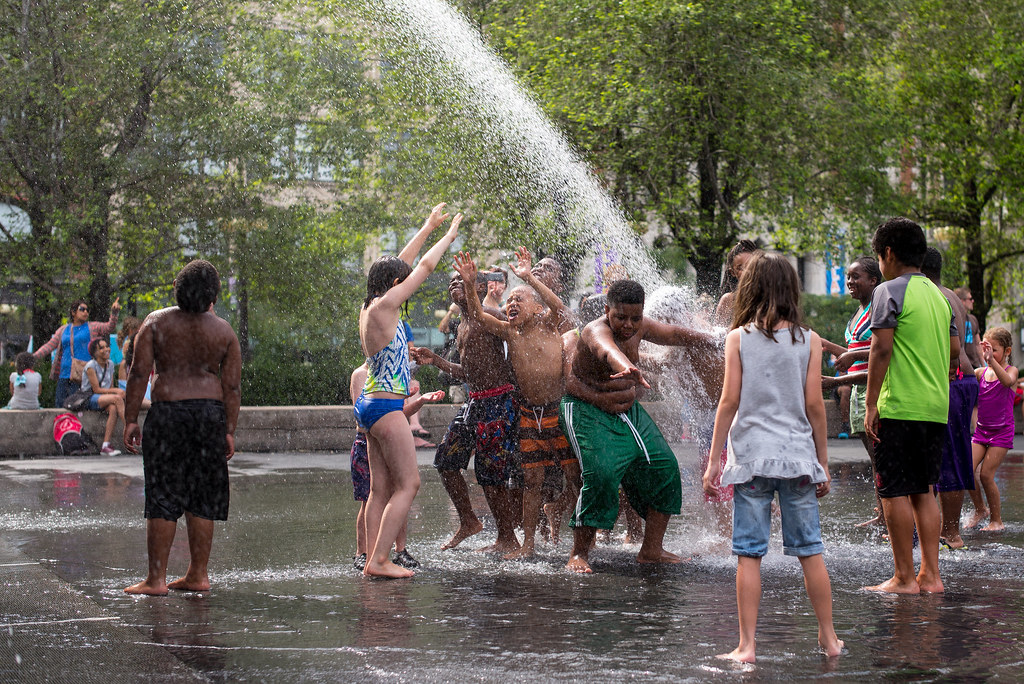 EARTHISLAND - During The Summer Of 1995, a sluggish air mass settled over the Midwest for a week, smothering the region with a stifling combination of high dew points and blistering temperatures. For five days in mid-July, temperatures hovered around 100 degrees Fahrenheit. The heat index peaked at more than 120 degrees Fahrenheit.
Chicago was the epicenter of the disaster. At the end of the heatwave, more than 700 of the city’s residents had died of heat-related illness. The majority of the fatalities were concentrated in parts of the city where the built environment intensified the heat — neighborhoods dominated by asphalt, brick, and concrete, and where cascading social and economic factors made residents more vulnerable to the extreme temperatures. In the end, the heat disproportionately claimed the lives of Black, poor, and elderly citizens.
In the United States, extreme heat already claims more lives than any other type of weather-related disaster — more than floods, hurricanes, or tornados. The heat is also making people sicker. As climate change continues to trigger both higher temperatures and more frequent bouts of extreme heat, city-dwellers are especially vulnerable. Cities are already warmer than surrounding suburbs, thanks to the proliferation of impervious surfaces that absorb and re-emit heat, like concrete sidewalks, asphalt roadways, and brick buildings — a phenomenon known as the urban heat island effect. But even within the same city, summer temperatures can vary considerably between neighborhoods. The layout of urban areas, and more specifically, variations in the distribution of tree canopy and green space, make some communities — typically communities of color — more vulnerable to high summer temperatures. Read more...
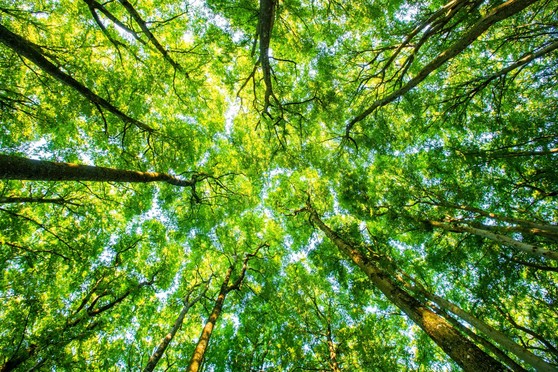 OSU - Trees have long been known to buffer humans from the worst effects of climate change by pulling carbon dioxide from the atmosphere. Now new research shows just how much forests have been bulking up on that excess carbon.
The study, recently published in the Journal Nature Communications, finds that elevated carbon dioxide levels in the atmosphere have increased wood volume – or the biomass – of forests in the United States.
Although other factors like climate and pests can somewhat affect a tree’s volume, the study found that elevated carbon levels consistently led to an increase of wood volume in 10 different temperate forest groups across the country. This suggests that trees are helping to shield Earth’s ecosystem from the impacts of global warming through their rapid growth. Read more...
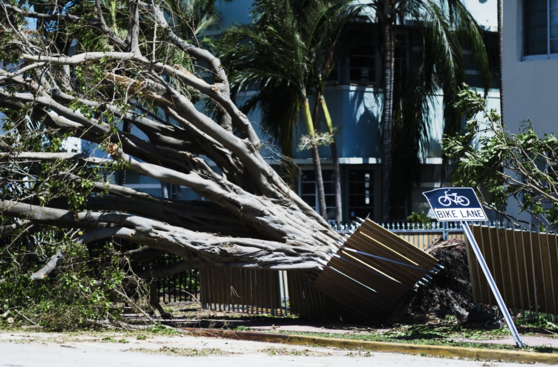 WIRED - American Trees Are in trouble. Based on recent estimates, up to one in every six native species in the continental US is in danger of going extinct, due to mounting threats such as invasive species, diseases, climate change, logging, and wildfires. Metropolitan areas, meanwhile, are losing an astounding 36 million trees every year, according to a 2018 study from the US Department of Agriculture’s Forest Service.
This loss of urban trees is a particular problem. They’re a critical part of the green infrastructure of US cities. Without the cooling effect of foliage, a city’s sprawling concrete and asphalt can turn into an urban island of deadly high heat—made even worse by global warming—which then forces buildings to use more energy to stay cool. Trees also lower air pollution and sequester carbon. The Forest Service estimates the annual cost of urban tree loss at $96 million.
But there’s a way to attack this problem on multiple fronts, using undervalued waste—from trees and people—that would otherwise be sent to landfill. Read more...
Where you live in Spokane can mean the difference between a warm day or an unbearably hot one, Gonzaga study confirms
Two groups want to put focus on carbon credits from urban forests
Forestry Leaders Scramble to Turn Massive New Funding Into Trees
Beech Leaf Disease: Another worm to worry about
Upcoming Opportunities
Grants for Community Firewood Banks - The Forest Service partnered with the Alliance for Green Heat to provide grants to supply firewood banks with needed tools and equipment. Applications may be submitted beginning October 15. Firewood is the primary heat source for many tribal and rural communities across the country. The Alliance for Green Heat and the firewood banks they serve will improve access to renewable wood energy, helping those without access to this life-saving resource when they need it most. For more information, visit the USDA’s website.
Oct 16 - Forest Health Woods Walk, Lamoine. 3PM.
Oct 18 - Managing Pests Of White Pines, 2PM.
Oct 26 - Forestry Rules of Maine Webinar, 9AM.
Nov 1 - Maine Stormwater Conference, Portland.
Nov 16 - Arbor Day Foundation Partners Conference, Seattle.
|