Magnificent Mold!
A common response to any mention of mold is, "Mold? Yuck! " and a rant about spoiling foods - those 'science experiments' of forgotten leftovers that get pushed back to a far recess of a refrigerator to decompose and grow colonies of colorful mold until they are discovered and pitched to the compost pile, and the best cleaning techniques for removing mold from refrigerators, basements and humid bathrooms. This is not a discussion of the molds that bring on cleaning marathons, but of the important role of molds in nature and how humans have harnessed the magnificent power of molds.
Molds are microscopic, multicellular fungi (mushrooms, yeasts and mildews are also fungi). The key ecological role of molds is to decompose dead organic matter making it available to other organisms.
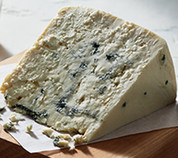
Humans have learned to use certain molds for specific purposes, such as for making medicines. Penicillin is made from the Penicillium mold. Specific molds are also used to flavor and add texture to foods. Have you ever eaten soy sauce, tempeh, miso, cured meats, cider, homemade root beer, or eaten blue veined cheeses such a gorgonzola or stilton?
|
Cheese has been made since before recorded history and is thought to be linked to the domestication of sheep over 8,000 years ago. It may have been accidently made when milk was stored in a bag made from the stomach of an animal whose naturally occurring rennet caused curds and whey to be formed. Over time, cheese making spread around the world as a way to preserve milk. People used different milks and experimented to make different varieties of cheeses, and are still experimenting today!
|
Share Nature Note with your friends, family, teachers, scouts, and anyone you think might be interested. Here is how they can sign up for a free subscription:
Read back issues online.
Suggest a topic by email; put Nature Note in Subject line and email Jocelyn Hubbell.
|