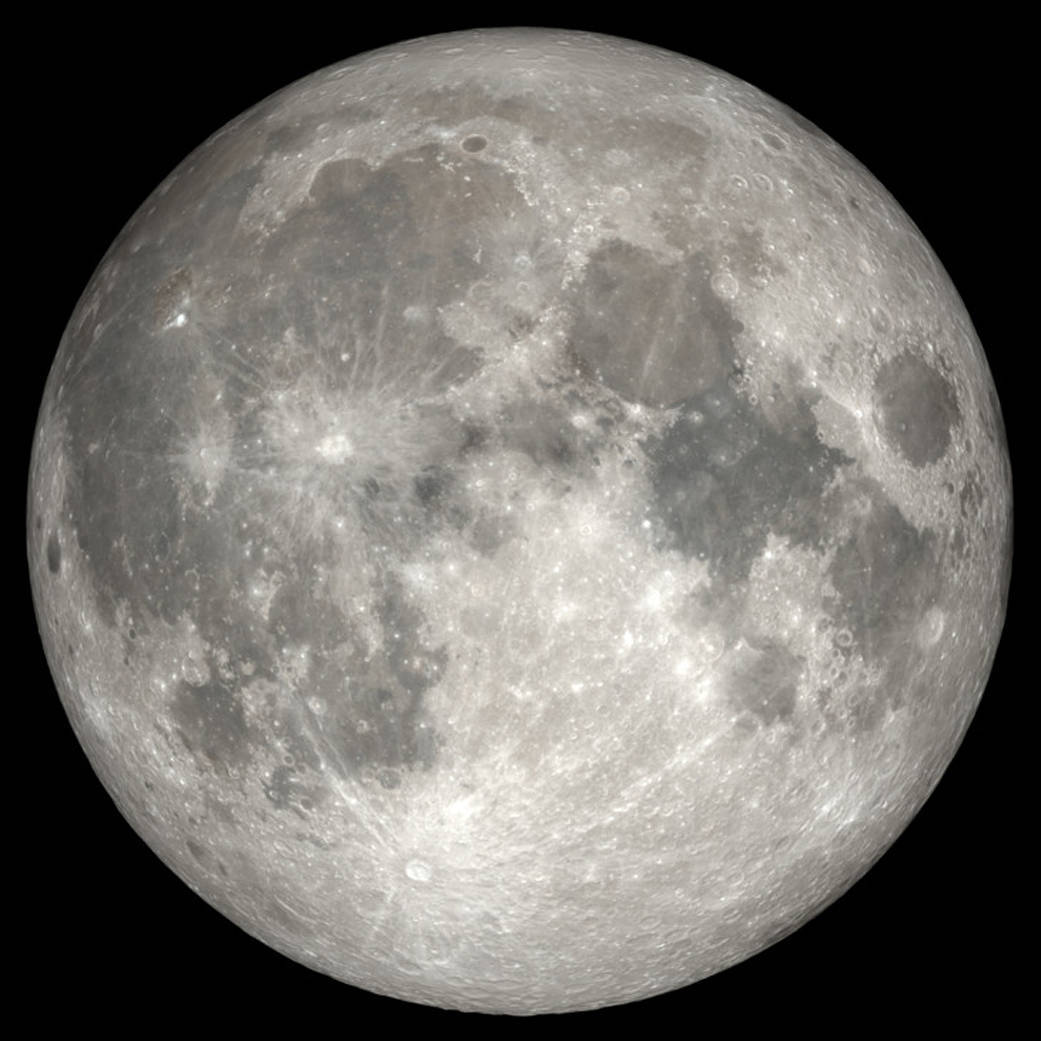
Night-time Wonder: The Moon
Full Moon photo by NASA (National Aeronautics and Space Administration).
I look to the Moon as a welcome nightlight year-round when on evening walks and during summertime evening paddles. It provides comfort through its light, through the "old man in the moon" face that is forever smiling down on Earth, and in knowing that when I look at the Moon others are looking up too - all around the world - looking to Moon in wonder, and for inspiration, for solace, to tell their hopes and dreams to, and to give thanks for its light.
Interesting Facts
- Each full Moon is named by many cultures. We know June's full Moon as the Strawberry Moon - named for the season of ripening berries.
- The Moon creates Earth's tidal rhythm.
- The Moon moderates Earth's wobble on its axis.
- The Moon is about 240,000 miles from Earth. To walk this distance you would have to walk around Earth at the equator 9.64 times! OR a walk more than 3.5 million lengths of a soccer field! (3,520,000 lengths)
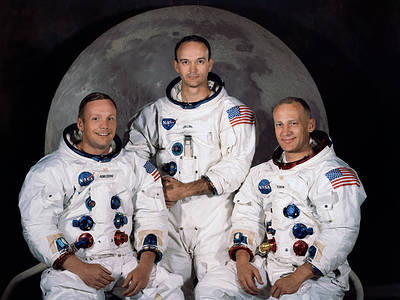
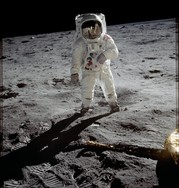
- The Moon was first visited by humans on July 20, 1969 by the Apollo 11 crew: Neil Armstrong, Michael Collins, and Edwin E. Aldrin Jr. (Crew portrait and "Buzz" Aldrin walking on the Moon photos courtesy of NASA.)
|
Activities for Children and the Young at Heart
- Take a full moon hike and compare what you can see on the Moon with just your eyes, and then aided by binoculars.
- Scientists are still learning about how the Moon was formed. (Link is to NASA webpage.)
- View Moon photos by NASA.
- Check out how you can become a NASA Intern! And, learn about all the amazing projects NASA interns are working on.
|
5. Read:
How We Got to the Moon: the People, Technology, and Daring Feats of Science Behind Humanity's Greatest Adventure by John Rocco (Caldecott Honor-winner; ages 10 and up.)
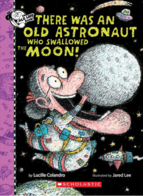
There Was an Old Astronaut Who Swallowed the Moon! by Lucille Colandro; illustrated by Jared Lee (ages 4-8)
Kite for Moon by Jane Yolen (ages 4-7)
Books for Adults and Teens - check this Best Books list by the Smithsonian Magazine.
|
Share Nature Note with your friends, family, teachers, scouts, and anyone you think might be interested. Here is how they can sign up for a free subscription:
Read back issues online.
Suggest a topic by email; put Nature Note in Subject line and email Jocelyn Hubbell.
|