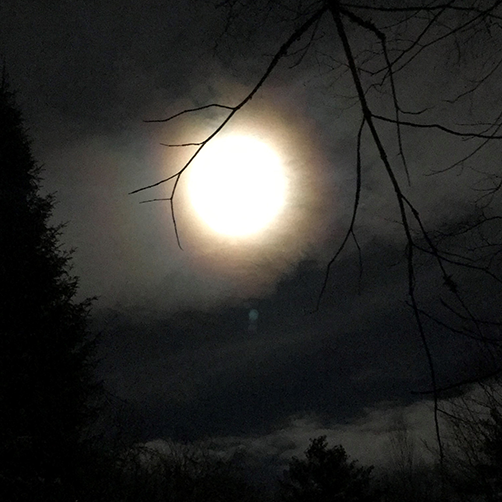
Power of Darkness: Night Skies
Everyone knows that a good night's sleep is important for good health. When was the last time you did not sleep well? Did you wake up feeling groggy of mind and sluggish of body... and not in a particularly Rise-and-Shine! mood?
Getting a good night's sleep requires total darkness and not only for you; plants and animals need dark nights for good health too! For night active plants and animals dark skies is a matter of survival:
- Migrating birds need night skies so that they can see and navigate properly. If they do not reach the proper destination they may not find the food, water and shelter that they need. If it takes them too long to travel they may expend all their energy before they arrive...like a marathon runner without the energy to continue running... . Migrators that cannot find food or eat will perish. If they can eat and rest and start out again, a delayed arrival may be cause for other risks. It may mean they have to travel through perilous weather conditions, or when they arrive they are too late to get the most nutritious food sources - it having already been consumed or its season gone by.
- Night blooming flowers need just the right amount of darkness to bloom... if they do not bloom, those that feed on their nectar miss a meal and the plant will not get pollinated and so not reproduce.
- Bats make nighttime flights in search of insects to eat. The bats are less likely to be seen and eaten by predators on a dark night. And, they may miss out on catching very nutritious moths to eat if the moths are gathering under a porch light.
- Sea turtle hatchlings move toward the ocean when they see the glow of the moon on the water. If lights are left on at night near these hatching areas the turtles.
Have you ever experienced a truly dark sky? A truly dark night sky is when you can look up and see the stars... and not just a few stars, but you should be able to see the Milky Way!
Activities for Children and the Young at Heart
- Go outside on a cloudless night. If you must carry a flashlight cover the light with a red lens so that it does not disturb your or other's eyes. Wait 5-10 minutes for your eyes to adjust to the darkness before you move about. What do you see? Can you see any stars? Can you see the band of the Milky Way across the sky?
- Count the number of outdoor lights at your home. Observe how they shine at night. Do they only shine down, or does much of the light shine outward to the sides and up into the sky? With the lights on what can you see of the night sky? Turn off all the lights and let your eyes adjust to the darkness. What can you see in the sky then?
- Have you ever considered light as a form of pollution? Why or why not?
- Visit Dark Sky Maine where you can watch a video about the importance of Dark Skies and learn more about the actions you can take to limit lighting up the night. While there, check out their star gazing programs. (Their event page has a beautiful picture of the Milky Way in the Stars Over Katahdin photo.)
- Learn how people all over the world are working to reduce light pollution at the International Dark Sky Association.
- Coordinate a neighborhood Dark Sky/No Lights evening. You do not need to gather... but all agree to turn off all outdoor lights on a given night so that you can observe as much of the evening sky as you can.
- What are the savings when you turn off a light? Think about more than just the light bill... what else will you be saving?
|
Share Nature Note with your friends, family, teachers, scouts, and anyone you think might be interested. Here is how they can sign up for a free subscription:
Read back issues online.
Suggest a topic by email; put Nature Note in Subject line and email Jocelyn Hubbell.
|