While it doesn't necessarily feel like November outside just yet, (it's 60 degrees outside as I write this), Maine has finally had a couple killing frosts, which ends our tree planting season. Make sure your tree's roots are well mulched and keep watering young trees until the ground is frozen. Note any branches that will need pruning next spring, but be sure to snip any browntail moth webs you see now that the leaves have fallen. You'll thank yourself next summer!
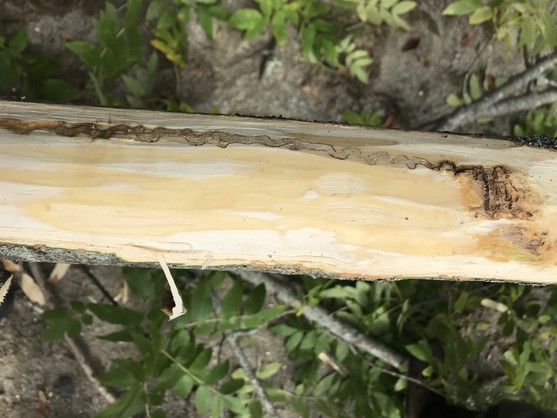 Nick Lund, Maine Audubon - All the basic information about the Emerald Ash Borer (Agrilus planipennis) is right there in its name: “emerald” refers to the hue of its iridescent body; “ash” for the family of trees that these jewel beetles feed and lay their eggs on; and “borer” for the tunnels young beetles dig through the bark, eventually leading to the death of the host tree.
These tiny beetles exist in low densities in their native Asia, where they are kept in check by parasitic wasps and other predators. Ash forests outside of their native range aren’t equipped with such defenses, however, and the Emerald Ash Borer has become a major threat in areas where it has been introduced or spread, including Europe, five Canadian provinces, and 35 American states, including, now, Maine. Read more...
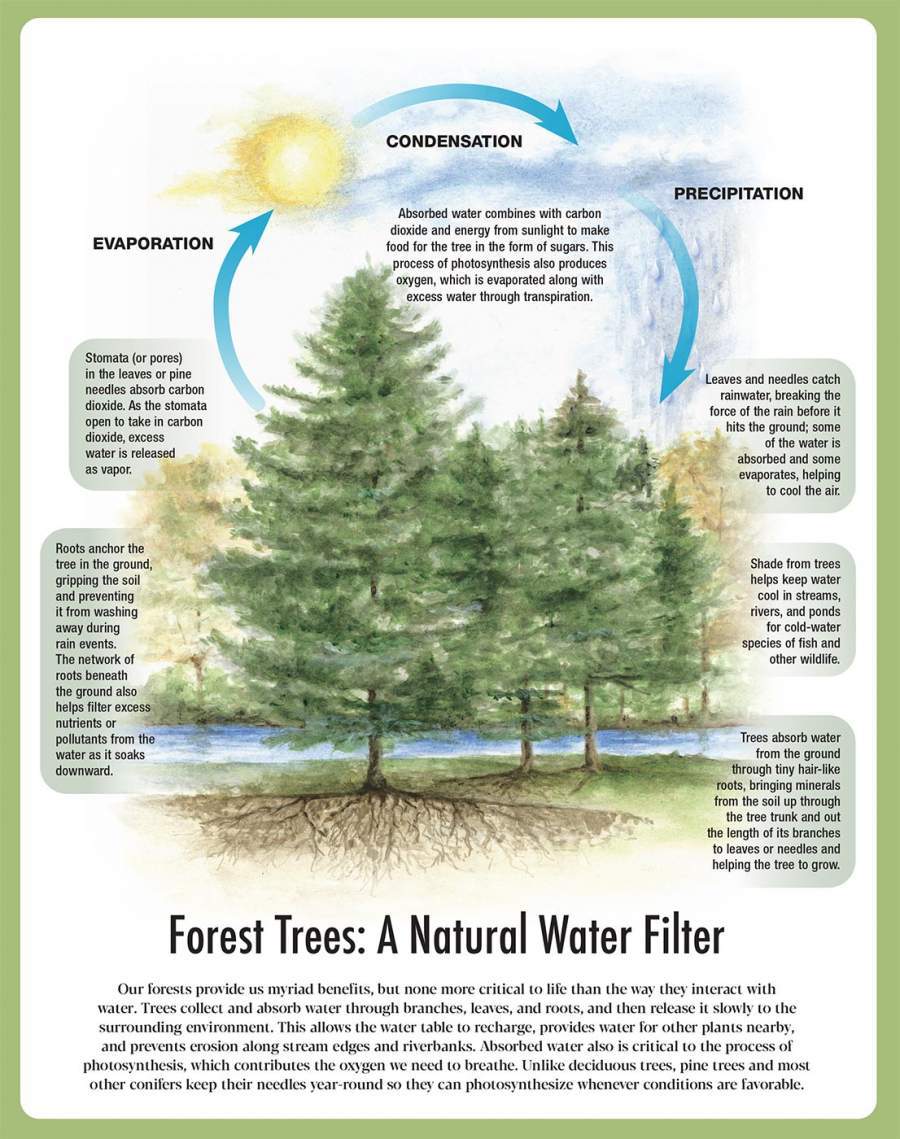 Northern Woodlands - Our forests provide us myriad benefits, but none more critical to life than the way they interact with water. Trees collect and absorb water through branches, leaves, and roots, and then release it slowly to the surrounding environment. This allows the water table to recharge, provides water for other plants nearby, and prevents erosion along stream edges and riverbanks. Absorbed water also is critical to the process of photosynthesis, which contributes the oxygen we need to breathe. Unlike deciduous trees, pine trees and most other conifers keep their needles year-round so they can photosynthesize whenever conditions are favorable. Read more...
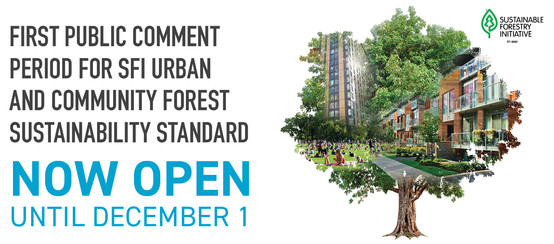 Last year SFI asked the Urban and Community Forestry sector if we should create an SFI urban forest certification standard. Over 600 people responded, and the overwhelming majority said yes. Fast forward to 2021 and SFI created an urban and community forestry program, hired an urban and community forestry director, formed a standard development task group of diverse segments of the urban forestry sector, and developed a draft Urban and Community Forest Sustainability Standard. After 6 months of work, and many task group and sub-group meetings, we have a draft SFI Urban and Community Forest Sustainability Standard for you to review and comment on. Read more...
Bark Bits
Maine Voices: Land trusts are part of the fight against climate change
Humans can’t manage this invasive fly—but a mind-controlling fungi might
Fighting fire with fire: As Maine warms up, prescribed burns become more necessary
Tree cutting nets more than $8,000 in penalties, reimbursement
Nov 10 - Western Maine Audubon talk: “Unique Characteristics of Trees” with Patty Cormier, 7PM
Nov 11 - Virtual Author Talk: Tom Wessels "New England’s Roadside Ecology", 7PM EST
Nov 17-18 - Arbor Day Foundation's Partners Conference, Louisville, KY
Nov 24 - Webinar: Building Sustainably: The benefits of building with FSC-certified mass timber, 9AM EST
Jan-Feb 2022 - Arborist Short Course Series, Penn State Ext
|