Happy September! The kids are back in school, the days are getting shorter and cooler, and Labor Day is this weekend! If you're getting out in the forests of our great state this weekend, PLEASE remember to NOT MOVE FIREWOOD!!! Buy it where you burn it, purchase kiln dried wood if possible, and burn it all rather than storing it. Firewood is a main transport for invasive forest pests like EAB, ALB and other bad bugs. It is illegal to bring firewood across state lines and across state quarantine zones (see below). Individuals can make a real difference in slowing the spread of pests and diseases in our forests. So please, when you're out enjoying the shade of the oak, the smell of the pine, and the syrup on your pancakes this weekend, take it one step further and do what you can to protect these great resources.
The forest will thank you.
 |
AUGUSTA – The Department of Agriculture, Conservation and Forestry’s (DACF) Maine Forest Service (MFS) has issued an Emergency Order to restrict the movement of ash from areas likely to harbor emerald ash borer (EAB). This order is in response to detections of EAB in northern Cumberland County and is in addition to the state quarantine rule on EAB. Both the order and the quarantine exist to help slow the spread of EAB within Maine.
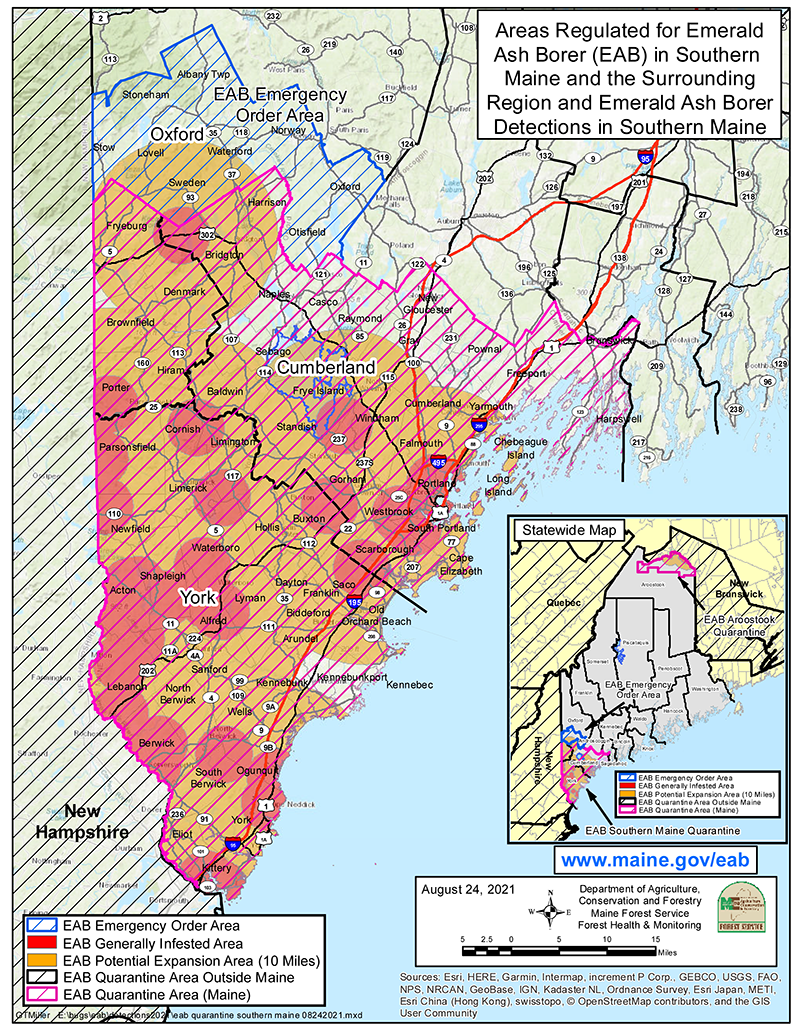 Moving ash infested with EAB can spread this invasive insect to new areas. An estimated 90 percent of Maine's ash trees are outside of Maine's currently regulated areas. Ash is an important cultural resource for the Wabanaki, an important street tree and a valuable timber species, accounting for around four percent of Maine's hardwood forest inventory. EAB threatens all ash tree species (excluding mountain-ash) and will have significant ecological and economic impacts on the state. Although pesticide treatments can protect individual trees, there are no practical means to control EAB in forested areas.Read more...
In northern Maine, forestry practices create shifting habitat for migrating songbirds
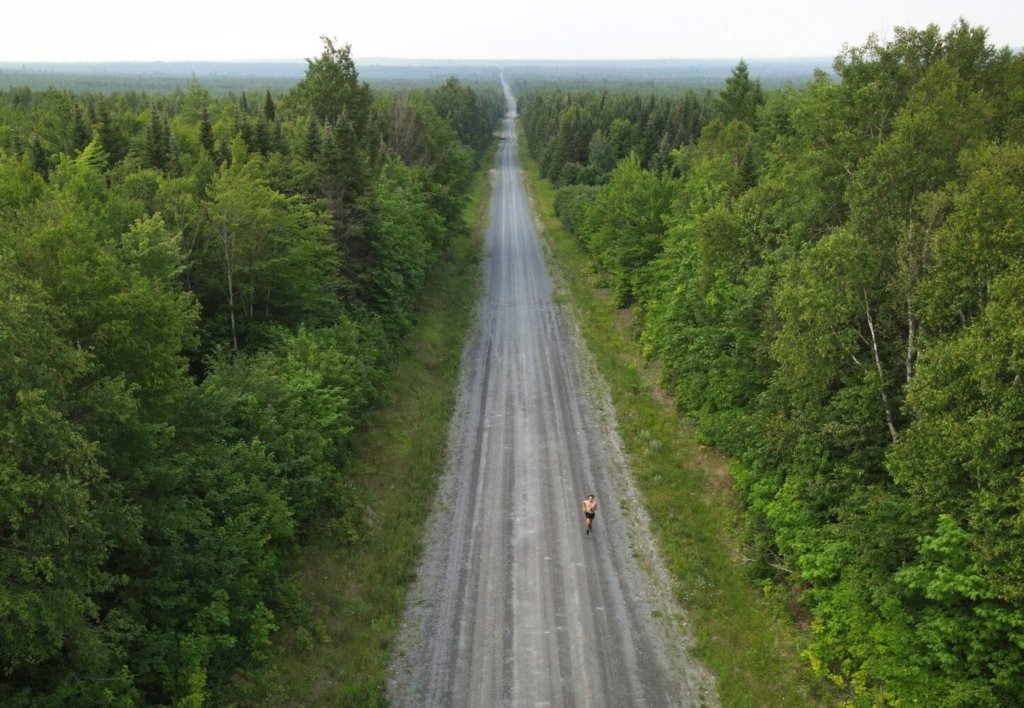 TOWNSHIP 4, RANGE 14 — After flying from Central America this spring, a small, yellowish songbird called a mourning warbler homed in on a patch of forest northeast of Moosehead Lake and determined it was the right place to find a mate and raise a family.
This patch is no wildlife refuge. Five or so years ago, loggers harvested most of the trees, leaving a tangle of branches and trunks. Now waist-high maples and alders, raspberry bushes and ferns are emerging amid the slash. It’s the perfect habitat for this warbler, a secretive bird that likes to nest near the ground, eat insects and spiders and is more frequently heard than seen. Read more...
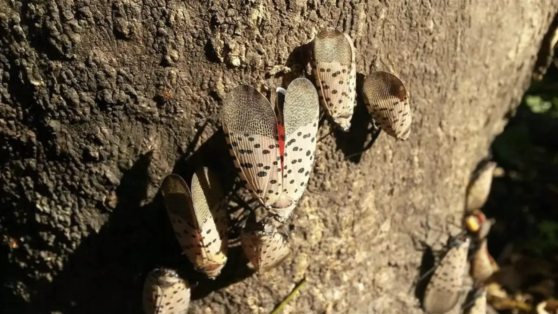 BDN - A year after the first evidence of spotted lanternflies in Maine was reported, only one of the invasive insects has been located — and it was dead.
Last September staff with the Maine Department of Agriculture, Conservation and Forestry confirmed egg masses belonging to the spotted lanternfly in four Maine communities,the first time evidence of the invasive pest had been reported in the state. A year later, followup inspections have found no further signs of live bugs.
But with infestations reported this year in Pennsylvania, New York, Delaware, Maryland, New Jersey and Virginia, officials here are on the lookout for both the lanterfly and a tree that is important to its lifecycle. Read more...
AUGUSTA – Maine's Forest Carbon Task Force invites public feedback by September 17 on possible strategies outlined in its draft report. Created by Executive Order, the task force was recommended by "Maine Won't Wait," the state's new four-year climate action plan. The task force aims to develop a voluntary program for small-to-medium size woodland owners in Maine who want to utilize their land for long-term carbon storage, a process known as carbon sequestration. The Task Force is co-chaired by Department of Agriculture, Conservation and Forestry Commissioner Amanda Beal and the Governor's Legislative Director Tom Abello.
Download the Task Force's draft report.
Everyone is invited to share reactions to the draft strategies and asked to consider these general questions:
- Which recommendations seem particularly promising to you?
- What is missing?
- Do any of these recommendations concern you, and if so, why?
Please email written comments to tom.gordon@maine.gov by September 17.
The Forest Carbon task Force will meet on October 8 to review the comments and finalize its report to the Governor.
For more information, visit the Maine Forest Carbon Task Force's website.
Nashville Proposes First-Of-Its-Kind Bill To Protect Trees On Public Property
Building Climate-Resilient and Equitable Cities During COVID-19
An Urban Oasis Grows in Baltimore—With Justice and Nature In Mind
UNH Cooperative Extension is seeking a County Forester in Coös County, based in Lancaster, NH. Application deadline is September 30, 2021.
Sept 16 - Virtual Event: Municipal Emerald Ash Borer Management
Sept 21 - Webinar: IPM Approaches For Health Care Facilities, 2PM EDT
Sept 22 - Webinar: Creating and Connecting the Green Infrastructure Workforce, 1PM EDT
Sept 28 - Webinar: Tools for Urban Wood Producers, 1PM EDT
|