Project Canopy
OLD TOWN – Due to increased rainfall, the Department of Agriculture, Conservation and Forestry's Maine Forest Service (MFS), aligned with local fire departments and town forest fire wardens, today lifted the statewide brush burning restriction.
The online brush and debris burning permit restriction recently went into effect due to extreme fire danger, with the initial notification stating it would remain in effect until the state sees adequate levels of precipitation.
Though lifted, depending on precipitation levels in the coming weeks, the brush and debris fire permit restriction may be restarted.
Access the online burn permit system @ www.maineburnpermit.com.
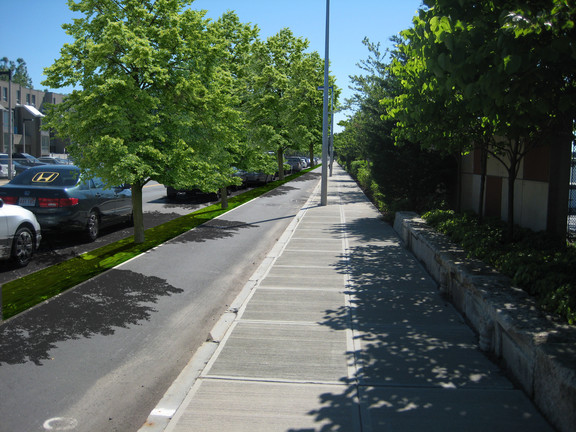 The Conversation - City streets and sidewalks in the United States have been engineered for decades to keep vehicle occupants and pedestrians safe. If streets include trees at all, they might be planted in small sidewalk pits, where, if constrained and with little water, they live only three to 10 years on average. Until recently, U.S. streets have also lacked cycle tracks – paths exclusively for bicycles between the road and the sidewalk, protected from cars by some type of barrier.
Today there is growing support for bicycling in many U.S. cities for both commuting and recreation. Research is also showing that urban trees provide many benefits, from absorbing air pollutants to cooling neighborhoods. As an academic who has focused on the bicycle for 37 years, I am interested in helping planners integrate cycle tracks and trees into busy streets. Read more...
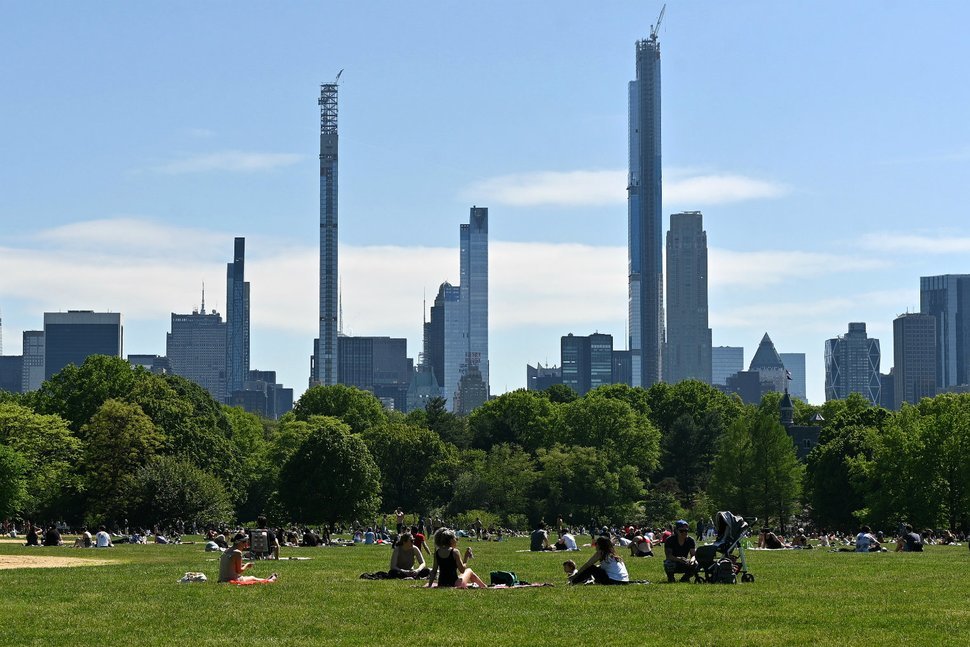 USNEWS - In this extraordinary time, city parks have once again proved themselves to be critical public infrastructure, strengthening neighborhoods and building bonds among people from all walks of life. The COVID-19 pandemic has placed a premium on access to nature and physical activity with appropriate social distancing, making urban parks more vital to the health of our cities than ever before. Simply put, our parks are essential.
When schools, businesses, houses of worship, libraries and other civic and commercial institutions closed their doors, park use surged as people sought respite from the quarantine. Parks help people to feel normal again, and serve as an outlet that is especially important in densely populated urban neighborhoods where indoor and outdoor spaces are precious. Read more...
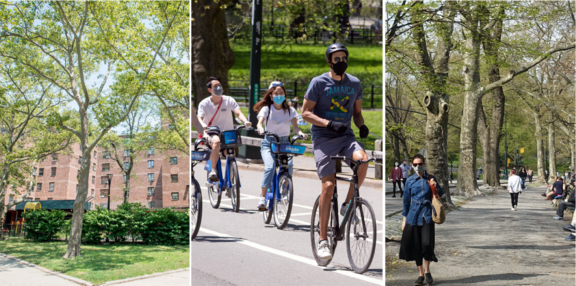 MEDIUM - As people across the United States deal with the intersecting crises of racism and Covid-19, we need a clear strategy for addressing long standing issues of health disparities in cities. Health inequities result from long running issues of environmental justice, ongoing crises of public health, uneven distributions of pre-existing conditions, labor and housing precarity, and inequities in access to outdoor spaces that allow for appropriate physical distancing and exercise. While the pandemic exposes systemic flaws in the public health infrastructure of the United States it also exposes stark inequities in access to healthy environments, and how people are policed within what open spaces are available to them. Addressing health disparities in cities requires a more equitable parks policy. To support this goal, the health benefits of parks need to be considered alongside the critical infrastructure services they provide, services increasingly important under climatic and social instability. Read more...
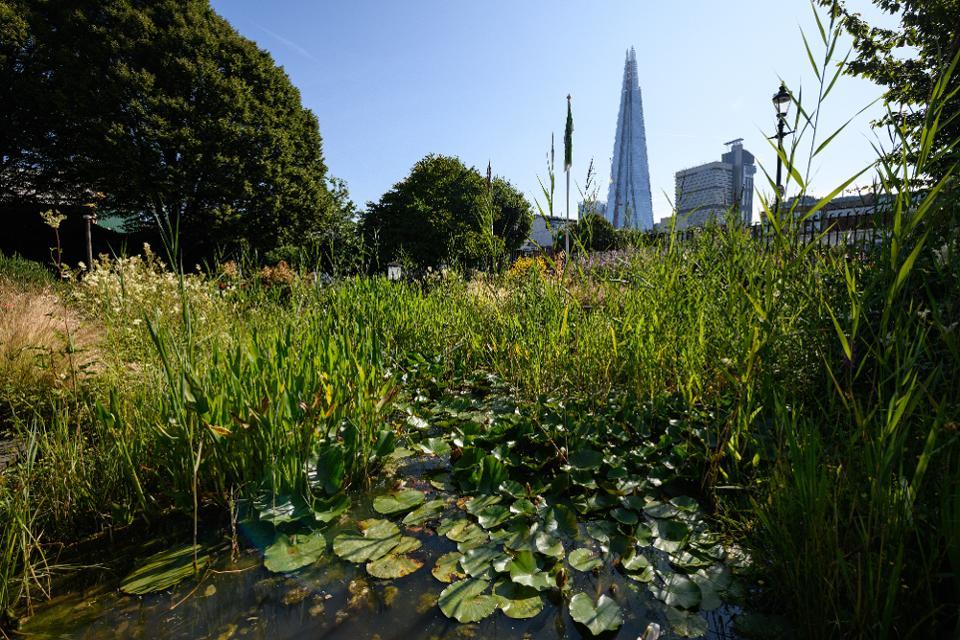 FORBES - Which city has the tallest buildings? The greatest arts scene? The best restaurants? The most efficient mass transit? For as long as there have been cities, they have competed with each other to garner prestige and talent. And now, amid growing public alarm about air pollution and environmental decline, cities are competing (and cooperating) with each other to be greener—literally.
Urban trees bring bragging rights. The more trees, the better, because they look good, people like them and they provide a whole host of benefits. By casting cool shade, they help to offset the heat-trap effects of concrete and tarmac. They filter out air pollution. They boost happiness, reduce stress and encourage city dwellers to get out and about. They even reduce wind speed and help absorb storm-water runoff. Read more...
Knotty tree fungus strikes cherry, plum trees in Augusta
Walking app helps tree lovers know their sycamores from their maples
Connecting Nature and Mental Health
June 30 - Webinar: Pruning Trees and Shrubs, 12pm EDT.
July 9 - Webinar: Energy Benefits of Trees, 12pm EDT.
| 


