Project Canopy
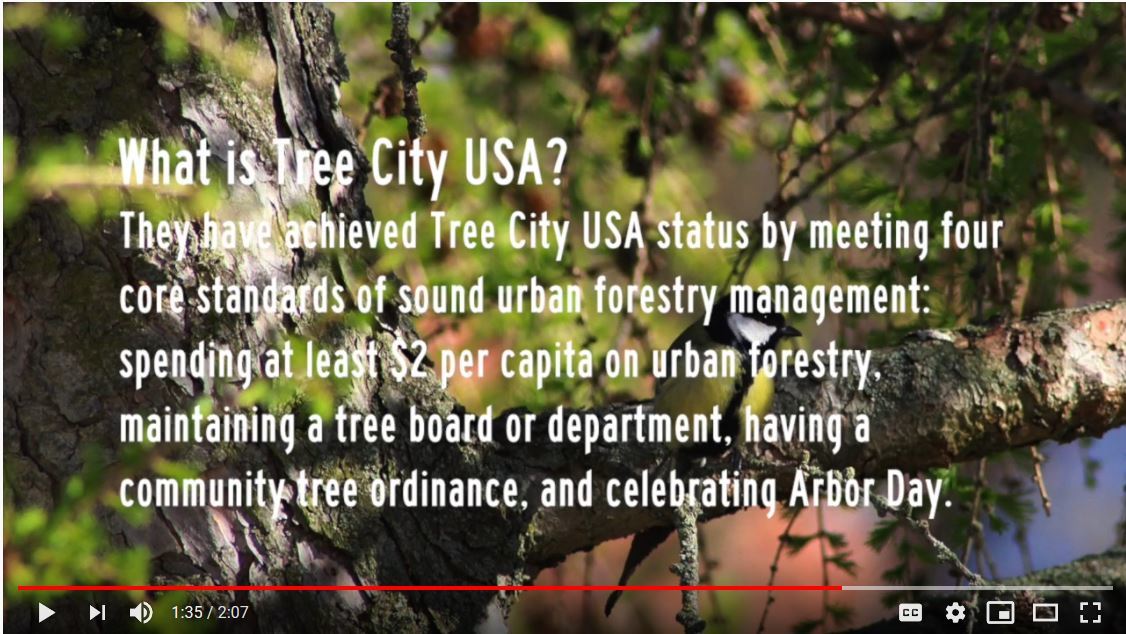 As part of Maine’s Arbor Week the following municipalities were recognized for their participation in the Tree City USA program, and one college campus for participation in the Tree Campus USA program, supporting urban and community forests:
| Auburn – 17 years |
Lewiston – 17 years |
| Augusta – 26 years |
Orono – 24 years |
| Bangor – 15 years |
Portland – 40 years |
| Bath – 23 years |
Saco – 10 years |
| Brunswick – 3 years |
South Portland – 40 years |
| Camden – 25 years |
Rockland – 1 year |
| Castine – 11 years |
Veazie – 7 year |
| Dover-Foxcroft – 8 years |
Waterville - 22 years |
| Falmouth – 1 year |
Westbrook – 43 years |
| Farmington – 43 years |
Yarmouth – 41 years |
| Hallowell – 85 years |
|
| Kennebunkport - 43 years |
Colby College – 2 years |
Since we couldn't celebrate together this year, we put together the above video featuring some of our Tree Cities and Maine's State Forester Patty Cormier. Watch it here.
For more information about Project Canopy, go to: http://www.projectcanopy.me
For more information about the Maine Forest Service, go to: http://www.maineforestservice.gov
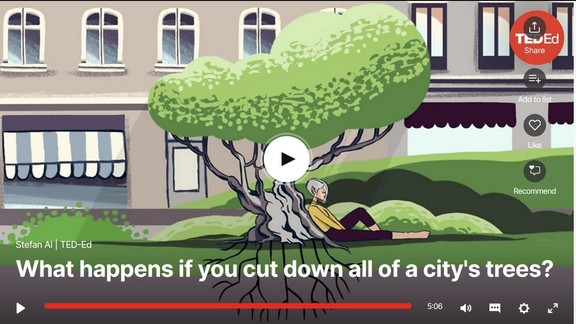 TED-Ed - By 2050, it's estimated that over 65% of the world will be living in cities. We may think of nature as being unconnected to our urban spaces, but trees have always been an essential part of successful cities. Humanity has been uncovering these arboreal benefits since the creation of our first cities thousands of years ago. So what makes trees so important to a city's survival? Stefan Al explains. Watch here.
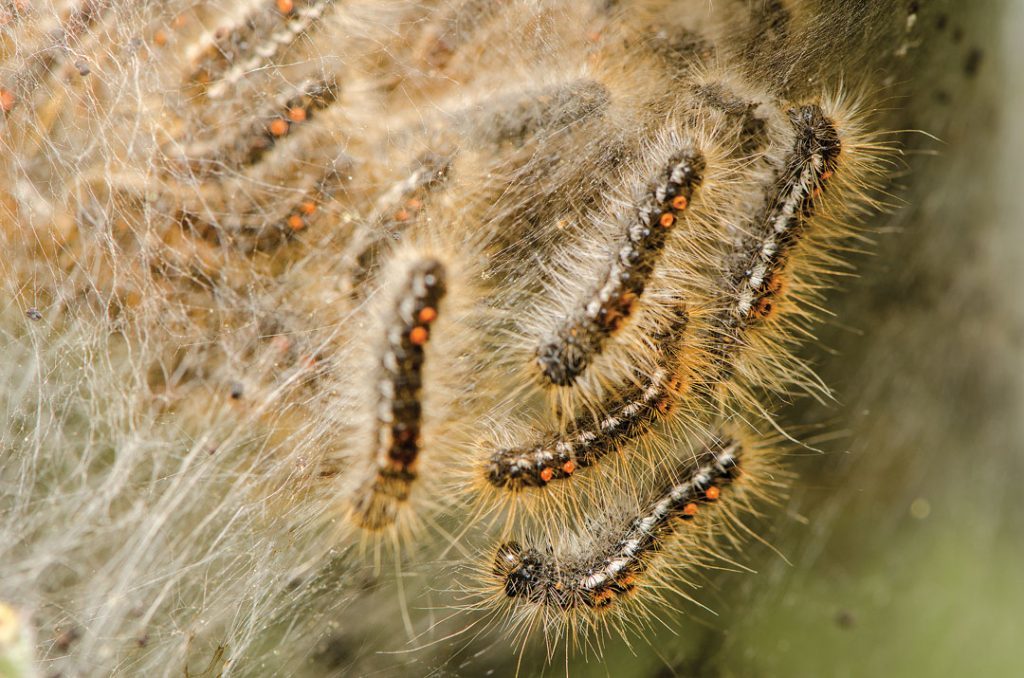 DOWNEAST MAGAZINE - In a lab at the University of Maine, Dr. Eleanor Groden reaches into a freezer full of dead caterpillars. Inside, they’re laid out in stacks of lidded petri dishes, their carcasses shriveled and curled. When Groden offers me a dish, I hesitate.
“They won’t hurt you,” she says.
She has just finished telling me, at length, about the dangers of touching these insects. They’re behind plastic, but still, just thinking about them makes me itch. The caterpillars are the larvae of browntail moths, notorious for the rash they cause when their tiny, toxic hairs contact human skin. It’s similar to an allergic reaction to poison ivy — blistery, irritating, and all-too-familiar to an increasing number of Mainers. Read more...
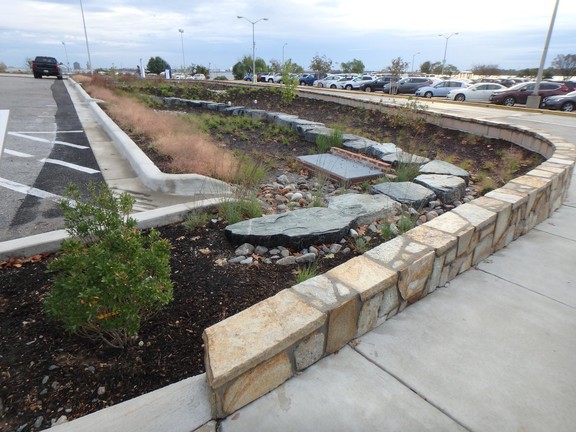
STORYMAPS - Green infrastructure is being used more and more in cities to provide environmental and social benefits. Planners often assume that green infrastructure is good for all places and all people in their cities. In this research project, we questioned that assumption and asked, is green infrastructure a universal good? We explored whether the use of green infrastructure has promoted equity.
We found that issues with the planning, siting, design, and maintenance of green infrastructure can limit the benefits it provides, particularly in areas that are less privileged. However, we suggest that green infrastructure can be a positive feature of cities if all people affected by it are equitably involved in planning and decision-making. Read more...
The best trees to reduce air pollution
Portland attempts to trap invasive insect
Fairy barf, British soldiers and other odd lichen you can find in the Maine woods
Which evergreen shrubs for privacy are deer resistant?
June 3 - Webinar: Community Forestry Ordinances, 12pm EDT
June 10 - Webinar: The Science and Practice of Managing Forests in Cities, 1pm EDT
June 11 - Webinar: What’s My Tree Worth? Tree Appraisal Case Studies, 12pm EDT
Need CEUs?: ISA has a new online quiz worth 1 CEU is available for the Best Management Practices-Tree Pruning. Purchase this updated BMP and then take the quiz to show how much you know! This BMP provides reasons why pruning should be undertaken, explains pruning types, provides background on pruning cuts, reviews sample pruning specifications, and comments on the timing and necessity of these operations.
Northeast Foresters Sugarbush Survey The University of Vermont is conducting a survey to understand the current status of forestry practices used when managing maple forests. The purpose of this study is to conduct a multi-state survey of northeast public and private foresters to understand current status of forest management related to maple sap production. Survey results will be compiled and summarized to help educate interested stakeholders as to best practices. You have been invited to participate given your professional experience in this area. Taking part in this study is voluntary. You may choose to withdraw at any time. If you take part in the survey you will be asked to complete the following online (or print survey). The survey will take approximately 10 minutes to complete. If you would like to request a printed hard copy you can contact Mark Isselhardt at (802) 899-9926 or mark.isselhardt@uvm.edu to have a copy sent to you.
All information collected about you during the course of this study will be stored without any identifiers. You will access the survey by following this link: https://www.surveymonkey.com/r/ZRX7P62
If you have any questions about this study contact Mark Isselhardt at the following phone number (802) 899-9926. If you have questions or concerns about your rights as a research participant, then you may contact the Director of the Research Protections Office at (802) 656-5040.
| 


