Project Canopy
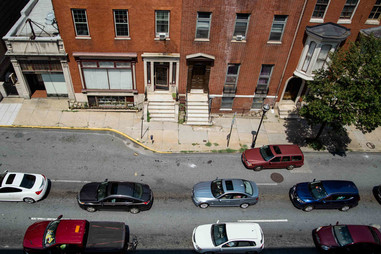
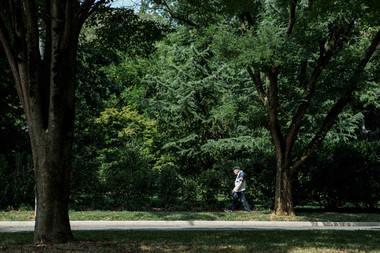
Which one looks like your street?
NYTimes - As the United States suffers through a summer of record-breaking heat, new research shows that temperatures on a scorching summer day can vary as much as 20 degrees across different parts of the same city, with poor or minority neighborhoods often bearing the brunt of that heat.
“The heat island effect is often characterized as the city being hotter than surrounding rural areas,” said Vivek Shandas, a professor of urban studies and planning at Portland State University, who led heat mapping projects across the country with help from community volunteers. “We’re saying it’s a little more complicated than that.”
Buildings and paved surfaces – like major roadways, uncovered parking lots and industrial zones – amplified heat, while large parks and other green spaces cooled down the surrounding areas. In cities like Baltimore and Washington, some of the hottest temperatures were recorded in dense residential neighborhoods with little tree cover and plenty of asphalt to absorb and radiate solar energy.
As climate change makes summers hotter, the health risks associated with these hyperlocal heat islands will grow.
“This is really about human health and well-being,” Dr. Shandas said. “How do we live and thrive in these places?” Read more...
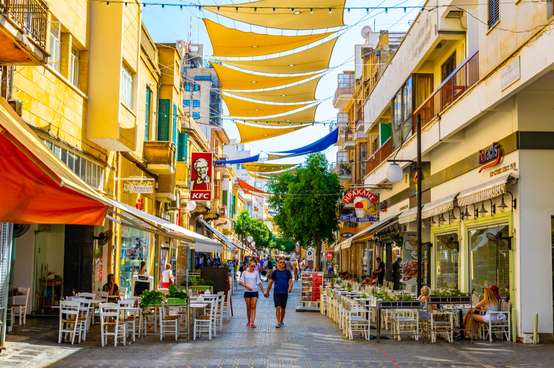 The American Conservative - The July 4 heat waves that swept much of the U.S. might have had you wondering how people ever lived without air conditioning. For others, the frigid air that flooded offices and homes in response served as a reminder of our overuse of air-conditioning. Online, the annual battle royale over the use of air-conditioning has rekindled and the debate has fallen along familiar partisan lines. With new calls for a ban on air conditioning, things are heating up.
After all, it’s an important question. How—and to what extent—should we keep our buildings and cities cool in a world that’s getting hotter? With the world’s rising temperatures, a growing dependence on air-conditioning alone doesn’t seem especially sustainable. But before we rush to ban AC, we ought to first consider legalizing shade in our cities. Read more...
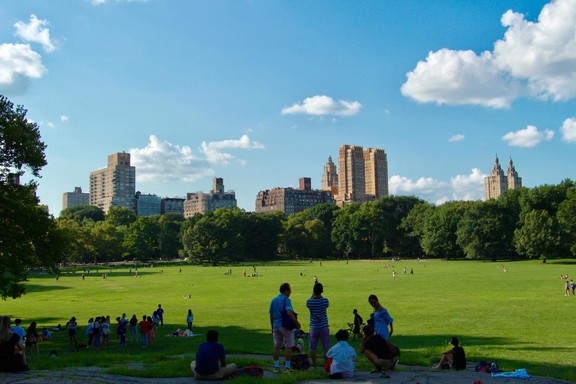
Nat Geo - City parks have long been a place for urban residents surrounded by the gray of asphalt and concrete to get a small dose of green. As cities increasingly feel the impacts of rising seas and temperatures, city planners are rethinking the roles of urban parks.
“There’s been a quiet and profound move to use parks to help cities adapt to the realities of climate change,” says Diane Regas, CEO of The Trust for Public Land, an organization that works to create neighborhood and national parks.
While amenities like basketball hoops and playgrounds have long been assets that bumped cities into top spots, increasingly, Regas says, the trust is seeing cities build parks that can alleviate climate change effects like intense heat, flooding, and poor air quality.
And it's more than shade trees that are helping fight climate change. The trust says parks can help mitigate coastal flooding, capture carbon, and foster a sense of community among those that will be affected by extreme weather. Read more...
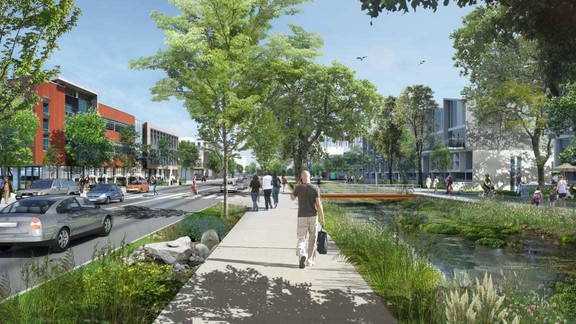 Fast Company - There are several ways cities can prepare for extreme heat, from changes in infrastructure—like solar and battery “microgrids” that can keep air conditioning on at cooling centers if the heat takes the grid down—to shifts to different cooling technology, like geothermal power. But three solutions are both particularly simple and particularly helpful. “We need to reduce greenhouse gas emissions,” says Matt Petersen, president and CEO of the Los Angeles Cleantech Incubator and the former chief sustainability officer for the City of L.A. “That’s job number one, for long-term benefit to reduce the most extreme heat from happening. But now that extreme heat is here, we need to make sure we put in place strategies to reduce the new normal of extreme urban heat through cool streets, cool roofs, and robust urban tree canopy.” Read more...
USDA Declares August Tree Check Month; Urges Public To Look For Invasive Asian Longhorned Beetle
Does your street have a lush tree canopy? It may be making you healthier
Two rural park agencies take 10-Minute Walk to the next level
Study shows how trees reduce stormwater runoff
Beech Leaf Disease Spreading along East Coast
EPA Local Foods, Local Places Technical Assistance
Applications Due: September 30, 2019. Eligible Entities: local governments and Indian tribes
EPA's Office of Community Revitalization invites communities interested in revitalizing neighborhoods through development of local food systems to apply for Local Foods, Local Places technical assistance. Local Foods, Local Places supports projects that:
- Create livable, walkable, economically vibrant main streets and mixed-use neighborhoods.
- Boost economic opportunities for local farmers and main street businesses.
- Improve access to healthy, local food, especially among disadvantaged populations.
On September 4, from 2:00-3:00 p.m. Eastern time, there will be a webinar that provides an overview of the Local Foods, Local Places program and the selection criteria for the 2019-2020 application. Register for the webinar. Learn more about applying for assistance .
Webinar - A new pest: The spotted lanternfly, Sep 4, 2019 1:00 pm US/Eastern. Register here.
Horton Woods Bridge Building - Saco, ME Saturday, September 7.
|