Project Canopy
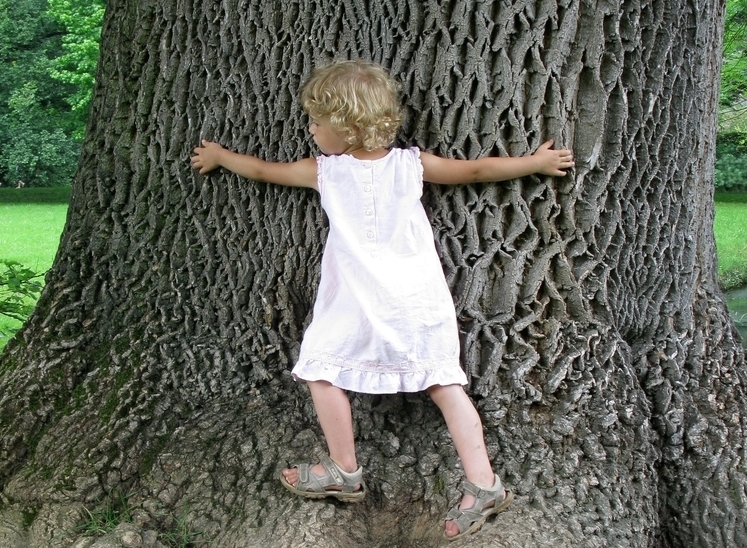 CHAMPAIGN, Ill. -- A new study finds that Medicare costs tend to be lower in counties with more forests and shrublands than in counties dominated by other types of land cover. The relationship persists even when accounting for economic, geographic or other factors that might independently influence health care costs, researchers report.
The analysis included county-level health and environmental data from 3,086 of the 3,103 counties in the continental U.S.
Urban and rural counties with the lowest socioeconomic status appeared to benefit the most from increases in forests and shrubs, said University of Illinois graduate student Douglas A. Becker, who led the new research with Matt Browning, a professor of recreation, sport and tourism at the U. of I.
"At first, I was surprised by this," Becker said. "But then it occurred to me that low-income communities are getting the biggest bang for their buck because they probably have the most to gain." Read more...
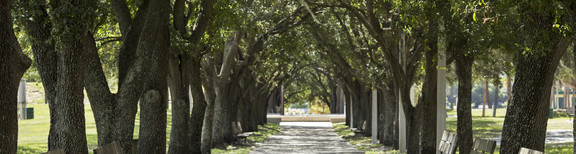 When are trees worth millions of dollars? When they cover parts of your city.
Take Tampa, for example, which has established an Urban Forest Management Plan. According to a 2016 assessment by the University of Florida Institute of Food and Agricultural Sciences and the University of South Florida, the city’s 32.3 percent canopy coverage saves Tampa:
- $7 million in annual energy savings.
- $121 million a year in carbon sequestration and storage.
- $3.4 million in storm water treatment savings.
Because trees provide shade and air to breathe, many cities have passed laws to prevent the removal of healthy and structurally sound trees, said Andrew Koeser, a UF/IFAS assistant professor of environmental horticulture based at the Gulf Coast Research and Education Center in Balm, Florida. Read more...
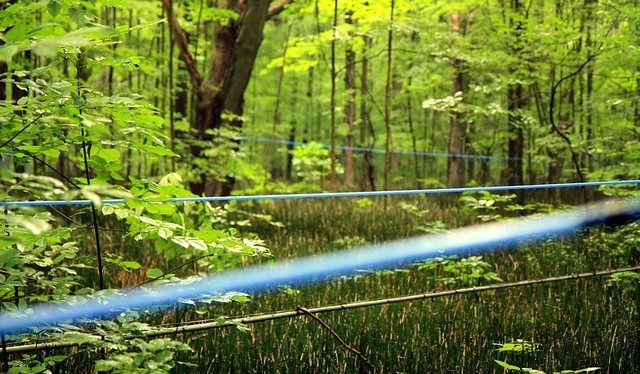 WASHINGTON, Vt. — The Vermont Fish & Wildlife Department and Audubon Vermont are encouraging the state’s maple sugar producers to consider managing their sugarbushes in ways that are beneficial to birds and other wildlife.
“Maple sugaring is an important part of Vermont’s rural, land-based economy and can help provide an economic incentive for maintaining healthy and intact forests,” said Andrea Shortsleeve, habitat biologist for Vermont Fish & Wildlife. “A few simple changes to the way a maple forest is managed can have major benefits to wildlife habitat and there are a variety resources available for landowners who want to learn more.”
Steve Hagenbuch of Audubon Vermont agrees. “All sugarbushes are inherently good for birds because they keep forest as forest. How they are managed however makes all the difference in their ability to provide excellent bird habitat.” Hagenbuch manages Audubon Vermont’s Bird-Friendly Maple Project, a partnership with the Vermont Department of Forests, Parks, and Recreation and Vermont Maple Sugar Maker’s Association, which certifies sugar makers who are employing practices that are beneficial to wildlife. Read more...
May is Lyme Disease Awareness Month each year in Maine—the perfect time to remind everyone to be “Tick Aware and Tick Alert” when spending time outdoors since ticks are most active in warmer weather.
Lyme disease is treatable and most individuals recover completely with proper treatment, however easiest way to avoid tickborne diseases is prevention. This May please remember to be “Tick Aware and Tick Alert”:
- Use caution in areas where ticks may be found;
- Wear light-colored clothing that covers arms and legs;
- Use an EPA approved repellent such as: DEET, picaridin, IR3535, and oil of lemon eucalyptus; and
- Perform tick checks daily and after any outdoor activity on yourself and pets. Taking a shower after exposure to a tick habitat is an effective way to wash off any unattached ticks and provides a good opportunity to do a tick check.
Read more...
Emerald ash borer quarantine issued for all of York County
Tree Seedlings Have a Very Good Reason to Shirk Their Parents
Reforestation is critical to meeting Paris climate change accord targets, researchers say
Grant Announced by Forest Legacy Program
The State of Maine, Bureau of Parks and Lands is currently accepting applications to the Maine Forest Legacy Program.
The Forest Legacy Program is a conservation program administered by the U.S. Forest Service in partnership with state agencies to encourage the protection of privately owned forest lands through conservation easements or land purchases. It operates on a competitive basis nationwide and aims to protect an array of traditional uses, forest economies and public values by preventing the conversion of Maine’s forest to non-forest uses.
For more information about Maine’s program and the grant application materials read the Letter to Landowners and Application Instructions (PDF 355KB)
Proposals submitted by June 1st will be eligible to compete for FY 2021 funding.
Grant Announced by Land and Water Conservation Fund
Land and Water Conservation Funds (LWCF) can, and should, be used to rehabilitate existing recreation facilities in addition to acquiring park land and building new facilities in communities across the state.
Go to the Maine LWCF website to learn more about the application process, schedule a pre-application site inspection, and apply to receive funding to benefit your local park system.
Coastal grants available for municipal and regional projects
The Maine Department of Agriculture, Conservation & Forestry's Municipal Planning Assistance Program (MPAP) and the Maine Department of Marine Resources Maine Coastal Program (MCP) are seeking applications for the 10th round of Coastal Community Grants for FY 2020.
The application information and forms can be found in the FY20 Coastal Community Grant Program Statement: http://www.maine.gov/dacf/municipalplanning/financial_assistance.shtml
RTP Grant Applications Posted - Grant Round Now Open
The grant cycle for 2020 trail projects is now officially open and the updated grant applications have been posted on the website.
Please note that there are two applications posted; one for trail development projects, and a separate application for RTP Safety & Environmental Protection projects. Be sure that you use the correct application for the type of project for which you want assistance.
May 11 - Exploring Springtime Birds at the Law Farm Birdwalk
Join us for a morning Birdwalk on Saturday, May 11, 2019 as we explore springtime birds at the Law Farm! The Piscataquis County Soil & Water Conservation District (PCSWCD) will be hosting birding expert, Bob Duchesne, for a Birdwalk, starting at 8:00AM, to view year round birds in Maine and also some returning springtime birds!
The Piscataquis County Soil and Water Conservation District encourages everyone interested in coming to the Birdwalk to register by May 8th by calling our office at (207) 564-2321 extension 3 or emailing us at info@piscataquisswcd.org.
|