Dear Friend,
As you may have heard, Governor Larry Hogan announced last week that the COVID-19 State of Emergency would be lifted July 1.
What does this mean?
While this marks another turning point in our fight against COVID-19, it also means that some of the vital social services and emergency orders that Marylanders have relied on for months and that have protected our hardest hit residents from further economic hardship will end.
More than 73 percent of Marylanders age 18 and older, and almost 90 percent of Marylanders 65 and over, have received at least one dose of the vaccine. Statewide hospitalizations are at the lowest levels since March 2020 and the State’s seven-day positivity rate is 0.61 percent -- the lowest level we’ve seen since the start of the pandemic.
Montgomery County is leading the state and nation in vaccination rates. According to the CDC, over 88 percent of residents over the age of 18 have at least one dose of the vaccine and over 80 percent of residents 18 and up are fully vaccinated.
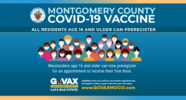
We’re making significant progress and we should be proud of how far we have come. But our work isn’t done until all of our eligible residents are vaccinated, our businesses are up and running, and our residents are back on their feet. If you or someone you know hasn’t gotten their shot yet, make an appointment today.
COVID-19 guidelines have been lifted for weeks. Why wasn’t the State of Emergency lifted sooner?
The State of Emergency status implemented provisions and gave certain powers to the State to help mitigate the impacts of the pandemic, such as the activation of the National Guard for vaccine and resource distribution, early release of inmates, loosened unemployment eligibility requirements, a moratorium on pandemic-related evictions and more. When the State of Emergency lifts, many of these provisions will go away.
Does this mean mask mandates or other guidelines will change?
Yes -- while most COVID-19 guidelines have been lifted, Governor Hogan’s announcement includes some changes to face covering guidelines.
Statewide mask mandates will lift in all settings, including schools, camps and child care settings beginning July 1. Face covering requirements are still in place on public transportation through September 13 by federal mandate and in health care settings. Businesses and workplaces can set their own policies on face coverings.
Montgomery County Public School leaders are working with our public health officials to review the new guidance from the State and determine if masks will be required in schools for summer school programs and when students return in the fall. Stay tuned for an update.
What provisions and social services will end?
On July 1, programs like the early release inmate program and alternative marriage procedure programs will end. Expired driver’s license renewals and several other programs will be subject to a 45-day grace period ending August 15.
The Council will work with the County Executive and County staff to review the impact of all the State orders that are set to expire to determine whether additional action may be needed to continue supporting County residents on the road to recovery.
Does that mean I won’t be able to receive COVID-19 rental assistance?
COVID-19 rent relief is still available and eligible households can receive up to $12,000 for both back rent owed and future rent. We continue to process rent relief applications and strongly encourage residents in need of rental assistance to apply today.
Many unemployed residents were laid off because of the pandemic -- at no fault of their own -- and should not be punished for it. Montgomery County will continue to provide support and resources to tenants beyond this date to help residents stay in their homes.
If you or someone you know needs assistance, please call 311 (240-777-0311) to request help.
What about food assistance and other services provided by the County?
Food distribution sites and programs will continue and you can find all the information for upcoming food distribution events here.
If you or someone you know needs help with food resources, call 311 and ask for the Food Access Call Center or you can call the Gilchrist Immigrant Resource Center at 240-777-4940 for information on food and other needs. Staff speak multiple languages and can be reached on weekdays during business hours.
We continue to build out our long-term recovery framework and are evaluating youth and senior services, public health, housing issues, and safety-net supports. We will work to ensure all residents’ needs are met through this transitory time and ensure our critical services continue beyond the State of Emergency.
Please stay tuned as we launch a series of informational webinars on Recovery Programs available to you this summer.
Sincerely,
|