Fall Preview
Fall officially began Tuesday night with chilly temperatures to match. Leaves throughout Maryland remain green with hints of change and emerging colors in parts of the state.
The fall foliage outlook for 2026 is expected to be average across the State of Maryland, according to Southern Region Regional Forester Mark Muir. It will begin first in the western-most part of the state and progress across the state to the Eastern Shore and southern Maryland.
“Weather has the biggest effect on foliage color and timing. Temperatures have been warmer than average this year with little rainfall in the summer months, and near normal or above rainfall in the spring and end of summer,” Muir said. “Temperature effects when the leaves begin to change, with a warmer than average start to fall which will push the timing of peak colors back slightly.”
The dryer months can create stress on trees, leading to muted or duller colors and earlier leaf drop. To achieve the best colors the ideal weather conditions are normal rainfall and periodic cold fronts. The chilly fall nights trigger deep color transitions and slow color change rather than a sudden uniform peak.
From now into November, Department of Natural Resources staff will provide weekly fall foliage reports to keep the public updated on Maryland’s autumn scene – both the changing colors in each region and fall festivities throughout the state.
Read the Fall Foliage Report for September 24.
Foliage Reports
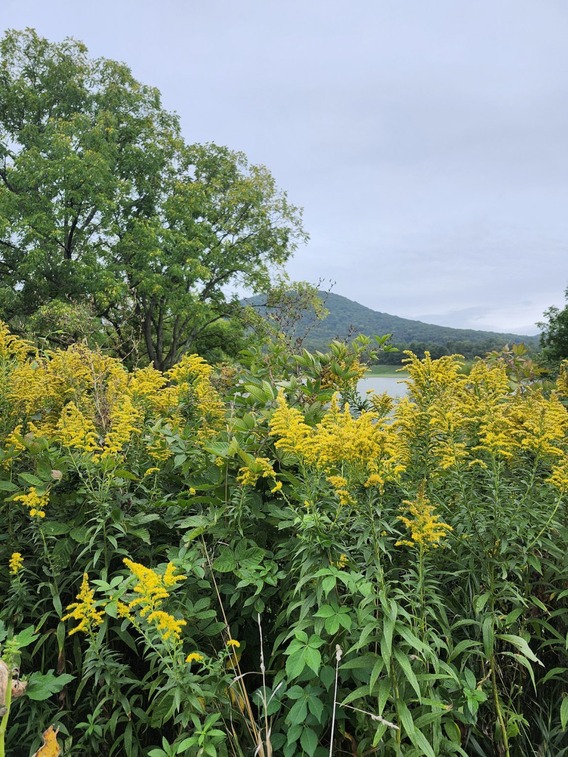 The last of our summer blooming wildflowers are out, heralding the end of summer and the start of autumn. Meanwhile, fall bloomers like asters or goldenrods are starting and warm-season grass blooms are adding an ethereal quality to the landscape. Many asters, like New England aster, have a range of bloom colors that vary based on their genetics. When you collect and sow diverse seed, or purchase quality seed from a conservation seed company, you will get inherently diverse plants as a result. While it can seem as inconsequential (though magical) as causing plants to have differing fall colors, that genetic diversity also makes them more able to adapt to climate change over time, as well. Photo and text by Bob Schwartz, Watershed Forester, Maryland Forest Service.
Read more from every region.
|