'Adventure in the Western Maryland Wilderness'
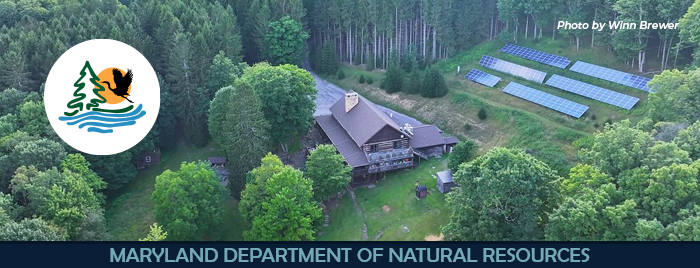
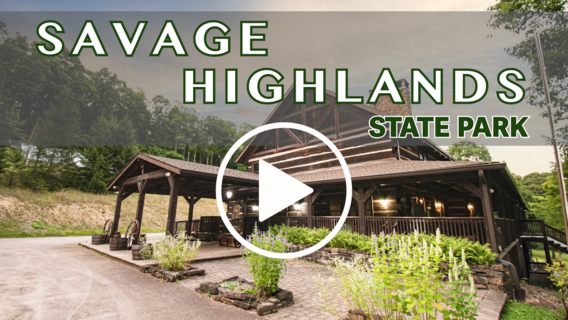 The Maryland Department of Natural Resources has officially opened Savage Highlands State Park, which provides increased access to tens of thousands of acres of state forest and natural areas in Garrett County and the surrounding region.
Maryland’s newest state welcomed its first overnight reservation-holders the weekend of August 28 along with a steady stream of day-use visitors touring the new location and talking with staff. The park’s main lodge is open the public every day from 10 a.m. to 5 p.m. Reservations are being accepted for yurts and campsites through November 1.
Savage Highlands State Park provides family-friendly accommodations for rent and serves as a major access point to Western Maryland’s network of state parks, state forests, rivers, reservoirs, and mountain trails.
Formerly a privately-owned luxury lodge, Savage Highlands State Park includes a large central lodge, 18 cabins, eight yurts, and approximately 5.75 miles of trails. The complex serves as a gateway to the surrounding 55,000-acre Savage River State Forest and the nearby network of year-round outdoor activities including hiking, mountain biking, fishing, skiing, swimming, paddling, and hunting.
Maryland DNR Secretary Josh Kurtz said Savage Highlands amounts to one of the department’s most significant new park openings in decades. When the property previously known as Savage River Lodge was available for sale, DNR pursued it with that vision in mind, and to protect the property from any commercial development that would be inconsistent with the natural features of the surrounding state forest.
Secretary Kurtz and Maryland Park Service staff dedicated the new park during a ceremony August 21 featuring Comptroller Brooke E. Lierman and State Senate President William C. Ferguson. Read more about Savage Highlands State Park.
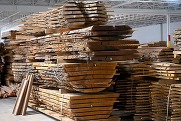
Maryland Partners Explore Pathways to Expand Use of Local Wood
Maryland’s forests produce substantially more wood than is harvested each year, but gaps in processing, marketing, and distribution can make it difficult to move that material into construction and consumer markets. Trees removed following storms, development, disease, or routine urban maintenance may also lack nearby processing options, limiting opportunities to recover their wood for beneficial use.
DNR is working with state agencies and the forest products industry to identify and address those barriers. This includes helping project planners understand which Maryland species and products may be suitable for a project, connecting potential buyers with producers and suppliers, and helping Maryland businesses understand and compete for state procurement opportunities. Read more.
|
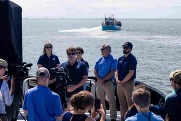
Maryland Achieves Nearly All of 2025 Chesapeake Bay Restoration Goals, Sets Sights on 2040
Based on the most recent information from the Chesapeake Bay Program’s pollution model, Maryland achieved 100% of its sediment reduction goal, 100% of the phosphorus reduction goal and 99% of the nitrogen reduction goal from 2009 to 2025. The model was updated this year based on data from 2025.
“Preserving the Chesapeake Bay is crucial to the long-term success of our state’s economy, culture, and identity,” said Gov. Moore. “The Bay’s rivers and streams support our local environment, seafood, tourism, and recreational businesses, and our administration is committed to improving its water quality and protecting the Bay as a precious heirloom to pass down to future generations in a better condition than we received it.” Read more.
|
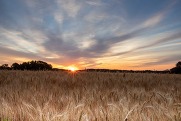
DNR Seeks Farmers for Regenerative Agriculture Opportunity
The Maryland Department of Natural Resources is opening a 111-acre agricultural property in Montgomery County to farmers using regenerative practices and traditions that improve soil health, the first step in an effort to expand land access while promoting sustainable agriculture in the state. Regenerative practices and traditions consist of a variety of farming techniques, drawn from indigenous and traditional land stewardship, that help cycle nutrients in the soil, reduce erosion, restore biodiversity, enhance water quality, and reduce net carbon emissions. Read more.
|
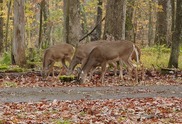
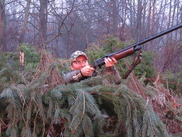
Secretary’s Message: Maryland Hunters Answer the Call to Conserve Wildlife, Protect Farms and Forests
Managing Maryland’s wildlife populations is a year-round, everyday job for the Department of Natural Resources. It’s one that requires specialized training, significant funding, and most importantly, tens of thousands of citizens who contribute to conservation—Maryland’s hunters.
Every species that is hunted in Maryland is monitored and surveyed to assure we are setting appropriate hunting seasons and bag limits. For some species whose population is threatened, we have found the need to limit harvest to protect the species. For others, like white-tailed deer, we are looking for more people to join the hunt to protect everything else. Read more.
|
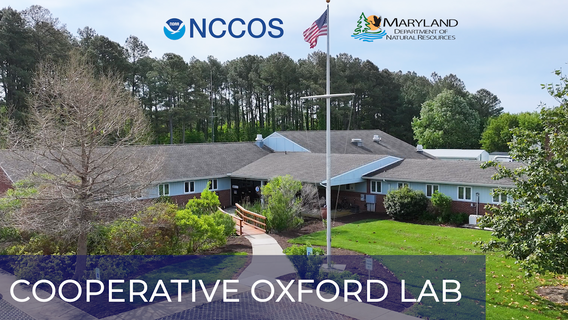 Nestled on the scenic shores of the Tred Avon River in Oxford, Maryland, the Cooperative Oxford Laboratory has been a vital center of Chesapeake Bay science for over six decades.
It was founded in 1960 by the U.S. Bureau of Commercial Fisheries in response to a crisis: oyster diseases that were ravaging both the Chesapeake and Delaware Bays.
Over time its mission broadened far beyond oyster pathology. In 1987, through a cooperative agreement between NOAA’s National Ocean Service and the Maryland Department of Natural Resources, it was formally designated the Cooperative Oxford Laboratory (COL), reflecting its shared stewardship. Today, the COL is home to Maryland DNR’s Aquatic Animal Health Program.
Watch this informative video to learn more about the Cooperative Oxford Lab!
|

Visit DNR at the 2026 Maryland State Fair in Timonium
Join the Maryland Department of Natural Resources Labor Day weekend in celebrating our nation's 250th birthday inside the Mosner Miller Building at the Timonium state fairgrounds to engage with field experts. Explore Maryland's conservation history, enjoy “Red, White, Blue and YOU!” activities from the Maryland Park Service, and learn how Maryland flora and fauna have changed during the past 250 years, and much more!
Exhibits are open Sept. 3-Sept. 7 and Sept. 10-Sept. 13. The building is air-conditioned, and with tons of activities for kids of all ages, it is a great place to get away from the heat or the rain. Read more.
|
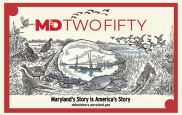
This durable, waterproof card for your fishing, hunting, and boating licenses honors the state’s wildlife and outdoor history.
The artwork on the card is a relic of Maryland’s past. It served as the frontispiece for Maryland Conservationist magazine, published by a predecessor agency of DNR, between 1924 and 1947. Read more about the MD250 hard card license.
|
|