Caring for Maryland’s Coldwater Resources
The Maryland Department of Natural Resources (DNR) reminds anglers that during periods of high air temperatures and low rainfall, many of our coldwater streams reach temperatures that are stressful to trout. These fish are highly sensitive to water quality and require cold water with minimal siltation to thrive. When water temperatures rise, even properly handled trout face an increased risk of mortality following catch-and-release.
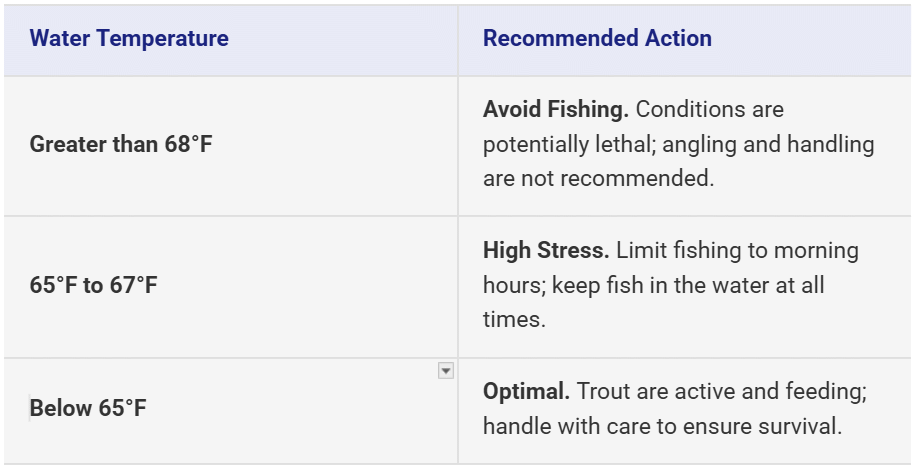
Water Temperature Guidelines
Before heading to the stream, anglers are strongly encouraged to check current water temperatures. The following guidelines help determine when it is safe to pursue trout:
 Proper Fish Handling Techniques
When fishing in catch-and-release waters or during warm weather, follow these best practices to reduce fish stress and mortality:
-
Land Fish Quickly: Minimize the duration of the fight to prevent exhaustion.
-
Keep Them Wet: Handle fish with wet hands and keep them submerged as much as possible.
-
Use Proper Gear: Utilize rubberized landing nets; and consider barbless hooks or forceps for quick removal (barbless hooks are required in all Maryland catch-and-return waters.)
-
Avoid Photos: Refrain from taking fish out of the water for pictures when temperatures are greater than 65 degrees.
-
Horizontal Hold: If you must handle the fish, hold it horizontally and never by the gills; minimize handling of the fish, release from rubberized net.
-
Summary: Use tackle that minimizes duration of the fight and unhooking time, keep fish in the water, release quickly.
Management Strategies
Maryland utilizes specific management areas to balance angler opportunity with trout conservation. Group I and Group II Delayed Harvest Fishing Areas open to harvest during summer months (typically beginning June 1 or June 16) to allow anglers to keep their catch when water temperatures become too warm for catch-and-release survival.
For real-time stream data and more information on trout conservation, please visit the Maryland DNR Trout Fishing Webpage and check regional water temperatures before your trip.
|