|
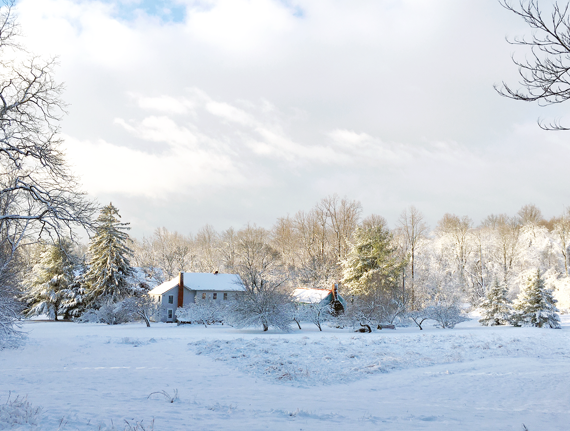 53-Acre Easement Protects Habitat in Frederick County
Property owner Lynne Cherry has donated a conservation easement on her 53-acre farm in Frederick County to the Maryland Environmental Trust. The conservation easement will protect 33 acres of mixed hardwood forest 12 acres of hayfields and 5 acres of early successional upland habitat which Lynne manages for indigo buntings golden-winged warblers that nest on the property. The property also contains historic structures which include the home of Peter Hauver. The original log home and outbuildings have been meticulously maintained and are an excellent example of a farmstead constructed during the American Civil War era.
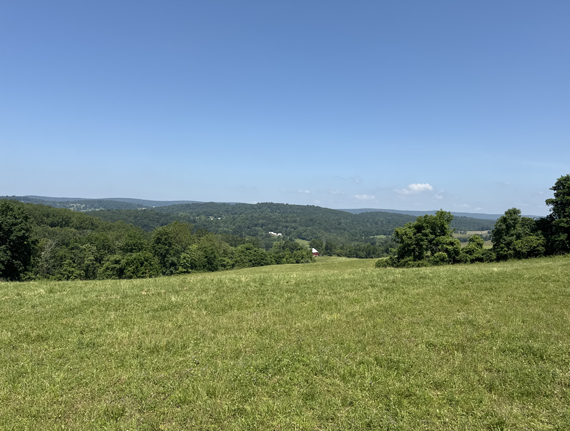 Forest Buffer Protected by 160-Acre Easement in Frederick County
Rum Spring Farms LLC, owned by the Salisbury family, donated a conservation easement on their 160-acre farm in Frederick County to the Maryland Environmental Trust. The property sits above Wolfsville Road near Meyersville where views of the fall foliage are stunning along the hillside above. The conservation easement will protect 120 acres of mixed hardwood forest and 40 acres of pasture conserving the rural character of the area. Additional protections include forest buffers along 1,900 feet of streams which feed into Catoctin Creek and the protection of forest land for the preservation of forest interior dwelling bird species.
|
|
|
Learn about protected places, explore Maryland spaces, or find something new. Check out MET's partners near you.
|
|
Backyard Buffers: A Landscape That Will Make A Difference
The Maryland Forest Service and the Potomac Watershed Partnership present the Backyard Buffers program, designed to assist homeowners who have a waterway on or adjacent to their property to create a streamside buffer of native trees and shrubs. A streamside buffer can create habitat for wildlife, reduce peak summer temperatures, and reduce the amount of sediment, fertilizer and toxic materials that enter our waterways.
Backyard Buffers packet reservations are typically taken during the month of March, with bags available for pickup at a designated local site in time for the spring planting season. A limited number of bags are available each year on a first-come, first-served basis, so please call ahead. Learn more.
|
Invasive Species Management: Calling all Community Scientists!
Do you hike, ride, bird, camp, fish, or otherwise recreate in state parks, forests or wildlands? One of the best ways to protect Maryland’s native species is to remove invasive plants and restore invaded sites. To tackle the problem quickly and efficiently, we need more information about how much of which invasive plants grow where.
The Maryland Natural Heritage Program designed Statewide Eyes to allow volunteers and researchers alike to collect more information about invasive plants on state lands quickly. Volunteers (like you!) use a free mobile application called the Mid-Atlantic Early Detection Network (MAEDN) to identify, photograph and map the location of invasive plants, focusing on ecologically significant sites. Learn more.
|
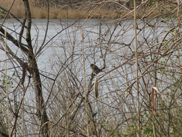
With a variety of habitats including forests, wetlands, marshes, beaches and open and shallow waters, the Chesapeake Bay region is host to hundreds of species of birds. Some are year-long residents while others migrate to the area to escape harsh northern winters or as a stopover on their journey farther south. The mix of common species and temporary visitors makes for exciting birding opportunities.
But what exactly is birding and what’s the best way to get started? Birding is the simple act of observing birds in their natural habitat. Typically, birders try to identify species based on their call or appearance, referencing handy field guides to make sure they’re right. The fun starts when you identify a rare species or one that you’ve never seen before. Learn more.
|
|
|
SUPPORT the long term stewardship of more than 1,100 conservation easements held by Maryland Environmental Trust with a tax deductible contribution to the MET's Stewardship Fund.
|
|
|
|
|