|
May 2019
|
 Greetings, Chesapeake Bay fans!
Whether you like to boat, fish, swim or just enjoy Maryland’s amazing seafood, we know there are many folks out there who have Chesapeake Bay waters running through their veins and like to keep their finger on the pulse of bay conditions.
So where do we find this information on Maryland’s vast waterways?
The answer is just a few mouse clicks away. The Maryland Department of Natural Resources, along with our partners in Virginia and the federal government, collects and posts online a variety of environmental monitoring data to help us better understand our waters so we can protect and restore our critical natural resources. This goldmine of monitoring information can also provide you with powerful tools that can help you better keep tabs on our amazing waterways.
About twice a month, your friends from the Maryland Department of Natural Resources’ Eyes on the Bay and Fishing and Boating Service will comb through Maryland’s extensive monitoring network and other sources of monitoring data to find the key information to help you better understand bay conditions. No boat required!
Climb aboard with Eyes on the Bay, toss off the dock lines and let’s go for virtual cruise on Maryland’s waters...
Cheers to the bay!
Tom Parham
Director, Tidewater Ecosystem Assessment
|
 MID-APRIL TO MID-MAY REPORT
Rain, rain, go away!
As we passed the vernal equinox (marking the beginning of spring) several weeks ago, the warming air temperatures and longer daylight have helped awaken bay waters. The typical March and April conditions have continued to warm waters for fish that have recently spawned or are currently spawning. Since mid-March, bay water temperatures have increased from the mid-40s (degrees F) to the mid-60s. In some of the shallower, dark bottom rivers we are seeing water temperatures in the high 60s.
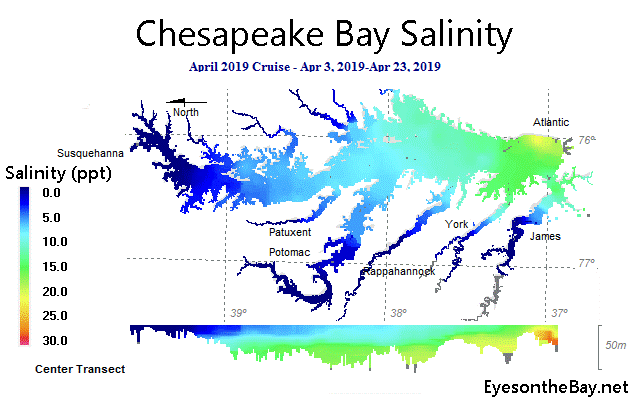
Bay salinities are still below average from the record 2018 rainfall and the above-average rainfall in March, as reported by the U.S. Geological Survey. Oysters living in areas of already-low salinity have been impacted by this below-average salinity. These low-salinity areas include the Potomac River below the 301 bridge and the upper bay areas north of the Bay Bridge. The high flows from 2018 sent more than physical debris downstream: excess sediment and algal bloom-fueling nutrients also flowed into bay waters, reducing water clarity. Unfortunately, bay grasses are impacted by the cloudier water we have experienced lately. Following several record years of bay grass acreage through 2017, it remains to be seen how the grasses will respond in 2019 after the reduced water clarity of 2018. We will provide regular updates as we track the impacts of the 2018 flows on Maryland’s waters.
The Maryland portion of the bay continues to have suitable oxygen conditions from surface to bottom for aquatic organisms, including fish, crabs and oysters. This is typical this time of year since cool water holds more oxygen then warm water. In addition, bay waters were pretty well-mixed in January and February, allowing oxygenated waters to reach the bottom of the bay.
For more detailed and up-to-date conditions in your area of the Chesapeake Bay, please continue to check out Eyes on the Bay. Be safe as you enjoy the bay!
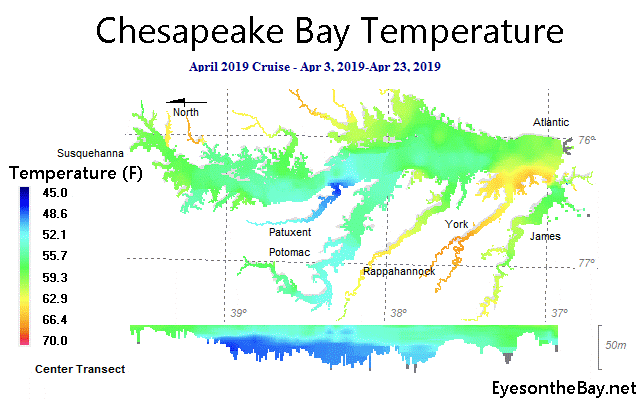
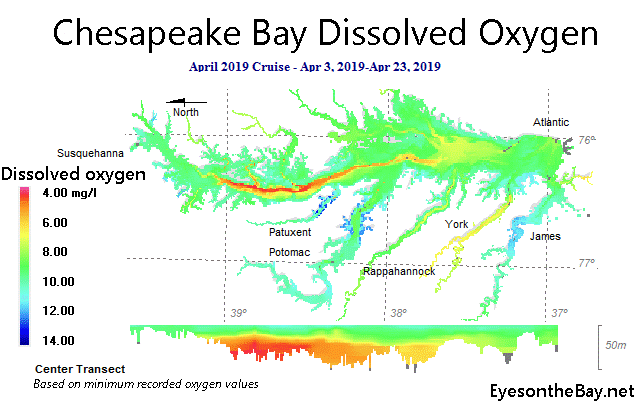 Data source: Maryland Department of Natural Resources Eyes on the Bay and Virginia Department of Environmental Quality
Funding for monitoring: U.S. Environmental Protection Agency, Chesapeake Bay Program and state sources.
|
Neighborhood Watch
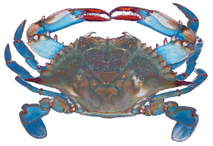
Blue Crabs
All winter, adult blue crabs have been buried in the sediment along the deep channel edges of the bay while the juvenile crabs burrow into the bottom in shallow waters. Last month, bay water temperatures passed 50 degrees so blue crabs have emerged from the sediment and are now moving shallower up in the bay and its rivers as they begin feeding and looking for mates. Preferred areas for the males are in waters with salinities 3 to 15ppt while female blue crabs prefer areas greater than 10ppt.
|
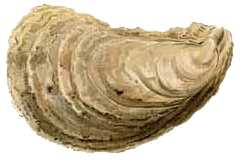
Oysters
All winter, oysters have been in hibernation when water temperatures have been below 41 degrees. With bay water temperatures now in the 60s, oysters are actively feeding by filtering water rates to build up their reserves and prepare for spawning in June when water temperatures exceed 72 degrees. Adult oysters prefer saltier waters with salinities over 5ppt.
|
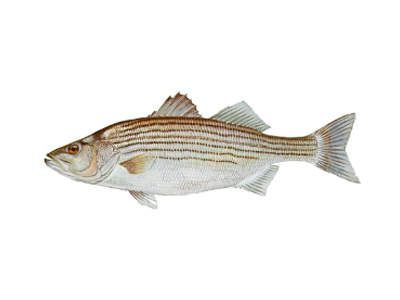
Striped Bass
All winter, resident striped bass have been holding in the deeper waters of the bay in areas protected from heavy current like behind underwater points or bridge pilings. Striped bass from the coastal stock have been overwintering off the coast of southern Virginia and North Carolina. With bay waters now in the mid-60s, resident striped bass and many from the coastal stock are spawning in lower salinity areas of bay (~0 to 2ppt). Optimal striped bass spawning temperatures are 60-64 degrees.
|
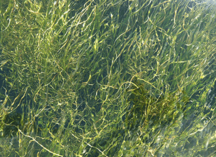
Bay Grasses
Most of the submerged aquatic vegetation, overwintering as tubers or as seeds, are now germinating as bay water temperatures hover in the mid-60s. However, two species that thrive in the cooler waters, eelgrass and horned pondweed, are visible now in bay waters. Eelgrass, now at its peak growth rate, is found in saltier waters of the bay (>10ppt) near Tangier Sound. Horned pondweed is found in most bay waters and prefers less salty waters (<20ppt).
|
|
|
|
|
KEY LINKS
As always, call the Chesapeake Bay Hotline at 1-877-224-7229 to report any of the following:
- Boating accident or reckless activity
- Fish kill or algal bloom
- Floating debris that poses a hazard to navigation
- Illegal fishing activity
- Public sewer leak or overflow
- Oil or hazardous material spill
- Critical area or wetlands violation
- Suspicious or unusual activity
|
|
Home News Magazine Photo Contest Regulations Store
|
|
|