Planning News
FY27-FY32 CIP Budget Planning Kickoff!
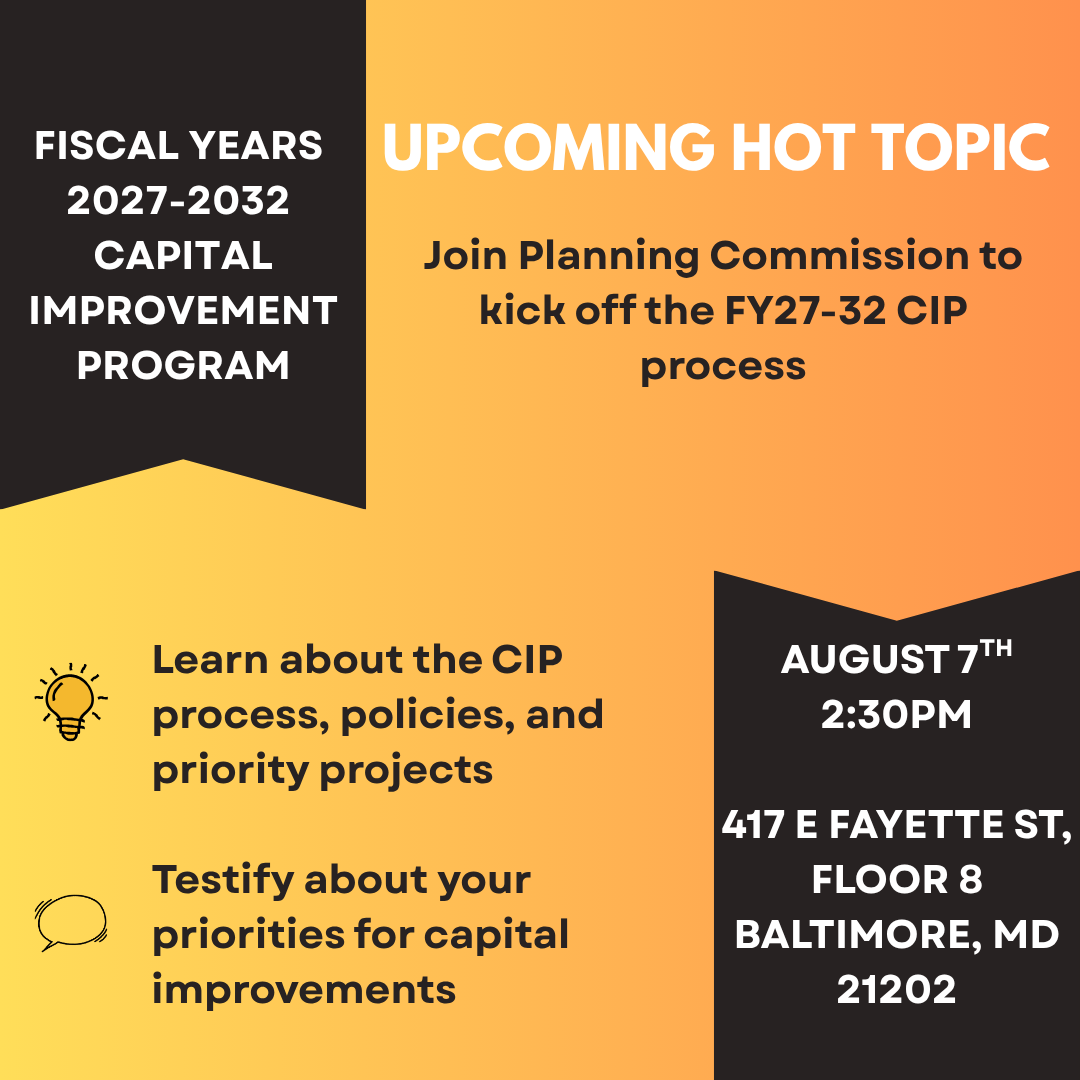
We're kicking off the FY27–FY32 CIP budget planning at the August 7th Planning Commission Hearing!
 Got ideas for future capital projects? Come share them! Got ideas for future capital projects? Come share them!
 Testimony is welcome! While there’s no guarantee your input will make it into the budget, this is an opportunity to have your ideas considered as agencies develop their capital budget requests. Testimony is welcome! While there’s no guarantee your input will make it into the budget, this is an opportunity to have your ideas considered as agencies develop their capital budget requests.
 The CIP item is scheduled for 2:30 PM, but the actual start time might shift since other big items (like zoning bills) are up first. The CIP item is scheduled for 2:30 PM, but the actual start time might shift since other big items (like zoning bills) are up first.
Thanks for being flexible—we hope to see you there!
A Cleaner, Stronger Baltimore: Celebrating the Charm City Cleanup Initiative
 The Department of Planning is proud to highlight a significant new effort to enhance our city's public spaces and strengthen our communities: the Charm City Cleanup Initiative. This is Baltimore's most ambitious citywide cleaning program in decades, and it's built on the principle that a cleaner city is a stronger city.
A New Approach to Citywide Cleaning
Launched last month, the Charm City Cleanup Initiative is designed to systematically visit every single neighborhood in Baltimore. The goal is simple: to clean public spaces and, in doing so, support a deeper sense of pride and ownership among all residents.
This initiative is a truly collaborative effort. Various city agencies, including the Department of Public Works (DPW), Department of Transportation (DOT), and Baltimore City Recreation & Parks (BCRP), are working together with partners like Clean Corps. This coordinated approach will segment the city into 17 clusters, with dedicated cleanup crews servicing one cluster per week. These crews will proactively address both major and minor nuisances, from litter and illegal dumping to overgrown lots and broken infrastructure.
Tracking Our Progress
A key element of this new initiative is transparency and accountability. The work completed by city crews and partners is tracked on a public dashboard, which you can view at https://awdgo.com/charmcitycleanup. This dashboard, powered by the Verbosity platform, allows you to see the progress of the cleanup efforts and when crews are scheduled to be in your neighborhood cluster. It's a valuable tool for residents to see the tangible results of the initiative and stay informed about the work happening in their community.
How You Can Participate
The success of the Charm City Cleanup Initiative depends on all of us. As a resident, you are a crucial partner in this effort. Here's how you can get involved:
-
Report Issues: Much of the cleanup work will be informed by residents' service requests. If you see an issue in your neighborhood, please report it through the 311 system, whether online, by phone, or through the app.
-
Volunteer: Look for opportunities to volunteer at city-led cleaning events in your area. This is a great way to meet your neighbors, make a visible impact, and contribute directly to a cleaner community.
-
Organize a Cleanup: If you want to take the lead, you can organize your own community cleanup. The Charm City Cleanup teams are available to provide support and resources for your neighborhood's efforts.
This initiative embodies our shared belief: "Our Streets, Our Neighborhoods, Our Baltimore." By working together, we can make our city cleaner, more beautiful, and a better place for everyone to live, work, and thrive.
DOP Bids Farewell to Eric Holcomb as CHAP Executive Director and Welcomes Lauren Schiszik as his Successor
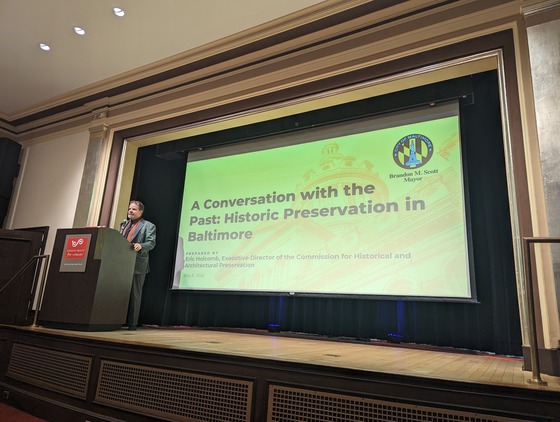 Eric presenting a keynote lecture for CHAP’s 60th Anniversary in May 2024
Eric Holcomb, Executive Director of the Commission for Historical and Architectural Preservation (CHAP) and Division Chief for the Historical and Architectural Preservation Division of the Planning Department is retiring after 31 years of service to the City of Baltimore. He began working for the city as a historic preservation analyst in 1994 and served in increasingly higher positions before being named Executive Director in 2014 by the Commission.
He has been instrumental in many of the initiatives at CHAP during his tenure as Executive Director. The City Council passed a law that requires realtors to disclose that a property is in a local historic district or Baltimore City Landmark, introduced conservation district enabling legislation, and updated Article 6 of the City Code, the enabling legislation for CHAP. He staffed Mayor Stephanie Rawlings-Blake’s Special Commission on Public Confederate Monuments in 2014-2015, and since that time, has been a key player in the ongoing conversations about the final disposition of Baltimore’s monuments to the Lost Cause. There has been a steady increase in local historic districts and landmark designations under his leadership.
Eric has also contributed to many of the Department of Planning’s educational outreach efforts, such as the background section of the recently completed Comprehensive Plan, histories for numerous neighborhood plans, and the foundational presentation for the Department’s Planning Academy, which focuses on the history of structural racism in Baltimore’s planning and housing policies of the 20th century.
Eric’s strong belief in collaboration shaped his work as a public servant. He believes that “Historic Preservation is an essential component to any successful neighborhood revitalization and stewardship efforts in Baltimore. Historic Preservation can't turn neighborhoods around on its own. But in partnership with neighborhood associations, nonprofit development organizations and our colleagues in DHCD and Planning, we can.” The success of CHAP’s historic tax credit program being used to transform long-vacant housing back into homes, especially in communities that have been historically disinvested, such as Barclay Greenmount, Johnston Square, Reservoir Hill, and Upton, upholds that ethos. Eric also believes that positive interactions with CHAP staff and the design review process help people – especially contractors and developers – to become partners in preservation. In 2016, he was awarded the Mayor’s Medallion for Meritorious Service, and in 2018 received an Honorable mention for the Richard A. Lidinsky, Sr. award for Excellence in Public Service. He reminisces that “The greatest part of the job was meeting people and bonding with them about how much we love this city.”
The Commission has named Lauren Schiszik, who currently serves as the Supervisor in the CHAP division, as Eric’s replacement. She has worked for the department since 2011, serving a variety of roles in the division, including as Landmark designation coordinator, design reviewer, and archeologist. She is an adjunct faculty member in the Historic Preservation graduate program at Goucher College and serves on the Governor’s Commission on Maryland Military Monuments. Lauren is honored by the Commission’s confidence in her vision as Executive Director and looks forward to advancing the goals of people-centered historic preservation in Baltimore.
Virtual Information Session on Housing Options and Opportunity Bill
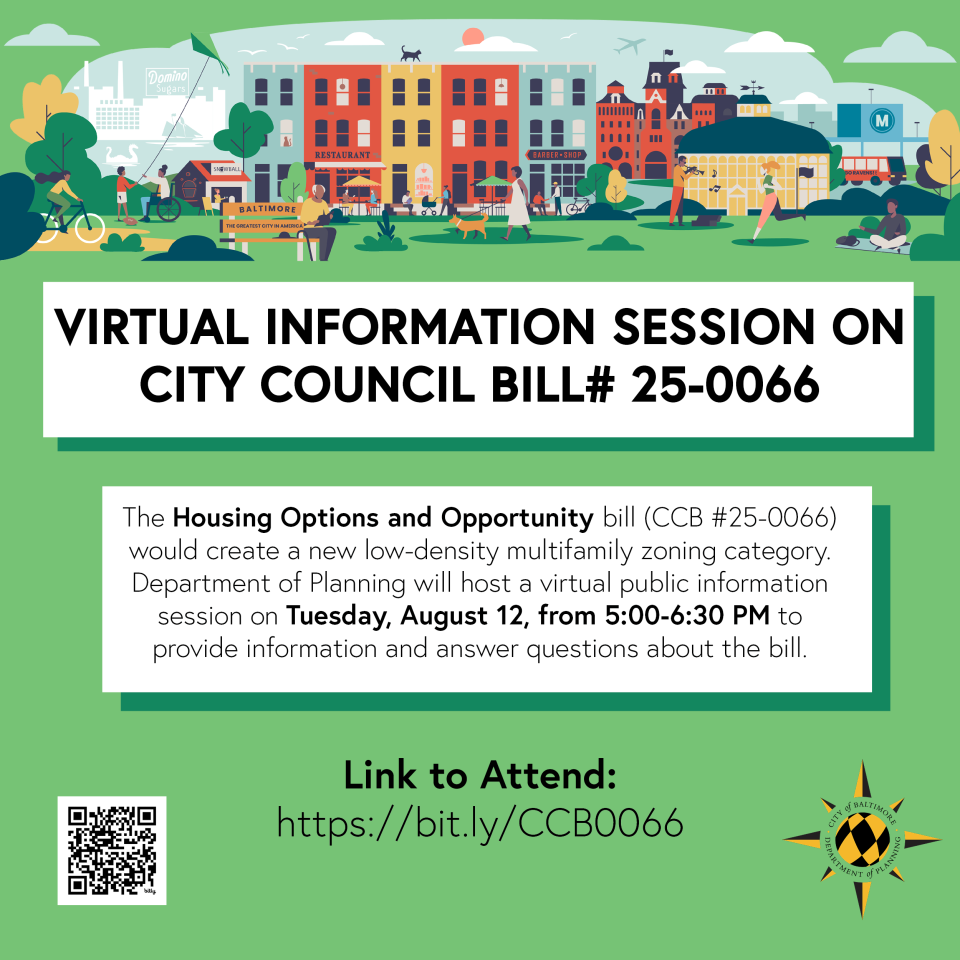 the Department of Planning will host a virtual public information session on CCB #25-0066 - Zoning – Housing Options and Opportunity on Tuesday, August 12, 2025. The information session will be held from 5:00 to 6:30 pm on Webex. The purpose of the meeting is to explain how the bill works, and to answer questions in advance of it being scheduled for a public meeting before the Planning Commission. Please reach out with any questions.
Connection information:
Join link: https://bmore.webex.com/bmore/j.php?MTID=m4ed4e046f61f31cc9fde98d37b8b144e
Webinar number: 2345 049 1517
Webinar password: Planning (75266464 when dialing from a phone or video system)
Join by phone: +1-408-418-9388 United States Toll or +1-646-992-2010 United States Toll (New York City)
Planner Chat: Coming to YouTube

We are excited to announce that our Planner Chat series will be coming to our YouTube channel in the coming months. See past interviews on camera and lookout for new interviews as well!!
|
Grant Opportunity for Historic Black Churches

Preserving Black Churches Preservation Grant, National Trust for Historic Preservation
The African American Cultural Heritage Action Fund’s Preserving Black Churches grants provide between 50,000 to $500,000 to help fund projects at historically Black Churches and associated buildings and landscapes. The program offers funding for five different project types: Capital Projects, Endowment and Financial Sustainability, Organizational Capacity, Programming and Interpretation, and Project Planning. Congregations, non-profit organizations, and public agencies may apply. The application opened on August 4, 2025, and closes on September 12, 2025. The grant guidelines and application are available here.
|
Morehead-Cain Fellows Launch Urban Farming Solutions in Baltimore
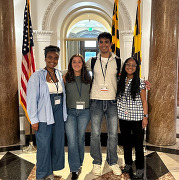
This summer, the Department of Planning welcomed a team of four Fellows - rising sophomores
from UNC Chapel Hill - to support Baltimore’s urban farms. Elizabeth Alene, Lauryn Cooper,
Sofia Fleury, and Aryah Oztanir, worked with DOP through the Morehead-Cain Foundation’s Civic Collaboration Summer Program.
Morehead-Cain is a prestigious merit scholarship program that includes a summer enrichment
program where scholar teams spend eight weeks living independently in cities across North
America with a mission to research real-world challenges and propose actionable, sustainable
solutions. Under the supervision of the Food Policy and Planning division, the fellows worked to sustain and strengthen Baltimore’s urban farming ecosystem by supporting local farms with technical tools, expanding farm capacity, and deepening community engagement between farms and the neighborhoods they serve.
Over the course of eight weeks, the Fellows conducted more than 30 ethnographic interviews
with farm managers and city residents. They brainstormed ideas, tested concepts, and
implemented a two-part solution using their project stipend provided by Morehead-Cain.
|
Part One: City Sprout — A Digital Tool for Urban Farmers
The team developed and launched an app called City Sprout, a free web-based app that
streamlines farm management and empowers local growers. Designed with feedback from
Baltimore’s urban farmers, the app includes:
● AI-powered grant writing assistance
● A crop planner and recipe generator
● A recipe repository tailored to local harvests
● Custom flyer templates to use for farm events and social media
● A centralized hub of technical resources for urban agriculture
● Crop surveys to help farmers connect with their communities
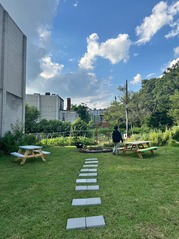
Part Two: Harlem Park Community Farm Beautification
The Fellows also led a hands-on beautification project at Harlem Park Community Farm. In just
five days, they:
● Installed stepping stones and a vertical plant arch
● Repainted welcome signs, added and painted vibrant picnic tables
● Labeled crops for educational value
● Cleaned the grounds to provide a welcoming space for visitors
The improvements sparked increased community interest, with neighbors stopping by to take photos and learn more about the farm after the first day of beautification. “We’re grateful for the opportunity to contribute something meaningful to Baltimore — both short-term through beautification and long-term through our digital tool,” the Fellows shared. “We hope this project can serve as a blueprint for how the City can continue supporting urban agriculture citywide.”
This project is an example of what civic collaboration and strategic innovation can achieve in a
short time frame. By combining tech and hands-on engagement, these Fellows aimed to build
sustainable systems for growth, and power Baltimore’s urban farming ecosystem. Visit citysprout.org to learn more about the Fellows, the app, and see pictures of beautification
work.
|
Barclay Greenmount Revitalization Gets Baltimore Sun Recognition
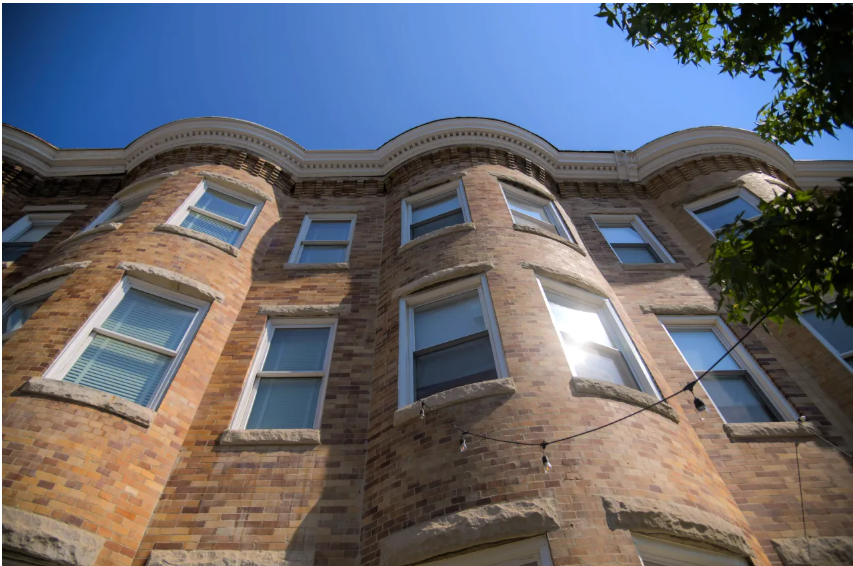 A view of the 400 block of E. 22nd Street in the Barclay neighborhood (Baltimore Sun)
|
The Barclay Greenmount local historic district is one of CHAP's smallest districts - made up of just the 400 and 500 blocks of East 22nd Street. Its designation as a local historic district was spearheaded twenty years ago by the People's Homesteading Group, whose work rehabilitating vacant rowhouses in the neighborhood was highlighted recently by Jacques Kelly in the Baltimore Sun.
Due to the local historic district designation, these blocks have long been eligible for state and local historic tax credits, and the majority of the rehabilitations have received the local CHAP tax credit. Congratulations to the People's Homesteading Group, the residents of the Barclay-Greenmount local historic district, and their many partners on this steady community revitalization that shares historic preservation and affordable housing as core values.
|
Bon Secours Back to School Event

Pratt Free Market Resource Fair
The Pratt Free Market is hosting a resource fair bringing together community resources and services to benefit our local residents. The event will be on Wednesday, August 27th from 11AM - 2PM in the Pratt Free Market Auditorium (3601 Eastern Ave, Baltimore, MD 21224).
Stay Cool, Baltimore: A Refreshing Recipe for Summer Popsicles
 As temperatures rise and summer settles in, the Baltimore City Department of Planning wants to share a fun and delicious way for residents to stay cool: homemade popsicles using fresh, local ingredients. This simple recipe is a perfect way to beat the heat, get creative in the kitchen, and support our incredible local farmers and markets.
Making your own popsicles is a fantastic alternative to store-bought varieties, as you can control the ingredients and sweetness. It’s also a great family activity and a wonderful way to enjoy the seasonal produce that is abundant in Maryland this time of year.
This recipe uses a simple three-ingredient base that you can customize with your favorite fruits.
Simple 3-Ingredient Fresh Fruit Popsicles
Ingredients:
-
2 cups fresh fruit (strawberries, blueberries, mango, peaches, or a mix)
-
1 cup plain Greek yogurt
-
2-3 tablespoons local honey (adjust to your desired sweetness)
Instructions:
-
Find Your Ingredients: Take a trip to one of Baltimore's many farmers' markets. The Baltimore Farmers' Market under the JFX, the Waverly Farmers Market, and the Fell's Point Farmers Market are all fantastic places to find the freshest, most flavorful fruits and local honey for this recipe.
-
Blend: In a blender, combine the fresh fruit, Greek yogurt, and honey. Blend until the mixture is smooth. If you prefer a chunkier texture, you can blend less and leave some small pieces of fruit.
-
Pour: Carefully pour the mixture into popsicle molds. If you don’t have molds, small paper cups work just as well.
-
Freeze: Insert popsicle sticks and place the molds in the freezer. Freeze for a minimum of 4-6 hours, or until completely solid.
-
Enjoy: To unmold, simply run the outside of the mold under warm water for a few seconds. Pull the popsicle out and enjoy your refreshing, healthy summer treat!
By choosing to make a treat with locally sourced produce, you're not just cooling down—you're also supporting Baltimore's vibrant agricultural community and enjoying the best flavors our region has to offer. Stay cool, stay hydrated, and have a wonderful summer, Baltimore!
Celebrating Resilience and Innovation: National Black Business Month in Baltimore
 August is National Black Business Month, a time to honor the history, recognize the achievements, and support the future of Black entrepreneurs and business owners. This month-long celebration highlights the vital role Black-owned businesses play in our economy and communities.
In Baltimore, a city with a long and proud history of Black entrepreneurship, this observance holds special significance. From the bustling marketplaces of the past to the innovative startups of today, Black-owned businesses have always been a cornerstone of Baltimore's cultural and economic landscape. They are more than just places of commerce; they are community hubs, sources of employment, and powerful engines for wealth creation.
However, Black entrepreneurs continue to face unique challenges, including disparities in access to capital, mentorship, and resources. The Department of Planning is dedicated to fostering an equitable business environment. Our work focuses on creating conditions for all businesses to thrive, and that means intentionally supporting the growth of Black-owned businesses.
This August, we invite all Baltimoreans to join us in celebrating and uplifting these vital businesses. Here’s how you can get involved:
-
Shop Local, Black-Owned: Make a conscious effort to patronize Black-owned businesses. From dining at one of our many fantastic Black-owned restaurants to shopping at boutiques and service providers, your support has a direct and meaningful impact. Resources like Visit Baltimore's Black-Owned Business Directory or the Greater Baltimore Black Chamber of Commerce are great places to start.
-
Explore Baltimore's Black Business History: Learn about the rich history of Black-owned businesses in Baltimore, from the historic Pennsylvania Avenue corridor to the thriving arts and cultural districts. Understanding this legacy helps us appreciate the resilience and determination of our city's Black entrepreneurs.
-
Attend Events: Keep an eye out for events celebrating National Black Business Month. These gatherings, often hosted by community organizations and business groups, are excellent opportunities to network, learn, and discover new businesses.
-
Share and Amplify: Use your social media platforms to highlight your favorite Black-owned businesses and share their stories. Your endorsement can introduce these businesses to new customers and help them grow.
The Department of Planning is proud to work alongside our city’s incredible Black entrepreneurs and the organizations that support them. This month and every month, let's commit to building a more inclusive and prosperous Baltimore by investing in our local Black business community.
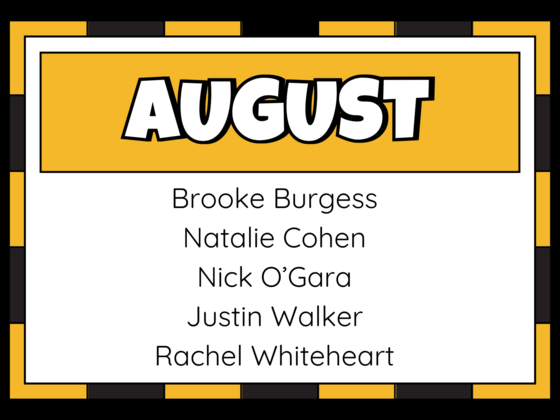
DOP August Birthdays!!
|