Planning News
New Map Shows Baltimore City's Urban Farms and Community Gardens
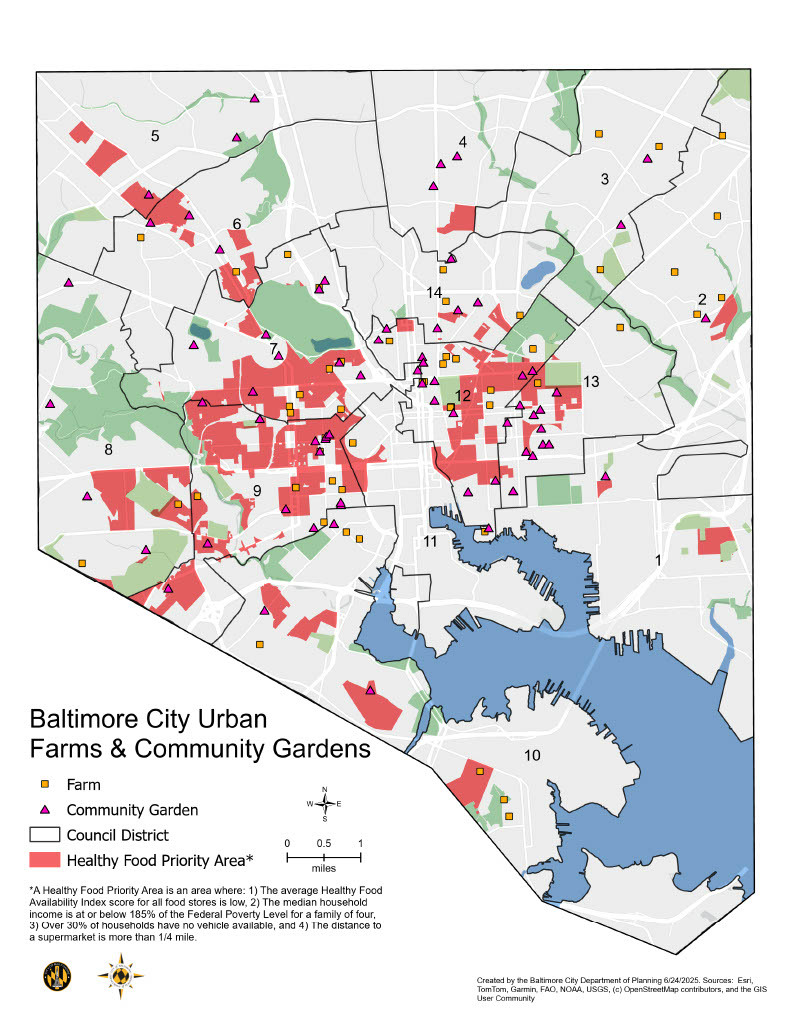
The Food Policy and Planning team is pleased to share this map (linked below), which shows the location of Baltimore City's urban farms and community gardens in relation to the 2024 Healthy Food Priority Areas. Urban farms and community gardens are critical partners in food access for residents, and we hope this map provides a better understanding of where they are and the neighborhoods they support.
BALTIMORE CITY URBAN AGRICULTURE MAP 2025
For any questions about the map, urban agriculture, or how our Division supports it, please reach out to Najahla Olumiji, Food Systems Planner, at najahla.olumiji@baltimorecity.gov.
Celebrating Accessibility and Inclusion: Disability Pride Month in Baltimore
 As July unfolds, the Baltimore City Department of Planning joins the nation in celebrating Disability Pride Month. This is a time to honor the contributions of individuals with disabilities and reaffirm our commitment to building a more inclusive and accessible Baltimore for all.
While October is widely recognized as National Disability Employment Awareness Month and March as Developmental Disabilities Awareness Month, many communities, including Baltimore, use July as a broader time to celebrate Disability Pride and the anniversary of the Americans with Disabilities Act (ADA), signed into law on July 26, 1990. This landmark legislation prohibits discrimination against individuals with disabilities in all areas of public life, including employment, transportation, public accommodations, communications, and government activities.
Here in Baltimore, we are actively working towards a more accessible city. The Department of Planning, through its Equity in Planning Committee and ongoing initiatives, strives to integrate an "equity lens" into all our work. This means considering the diverse needs and aspirations of our entire population, including those with disabilities, in our planning and development efforts.
We're proud of the progress made in increasing accessibility in our public spaces and transportation networks. From the accessible routes around the Inner Harbor to the wheelchair-friendly facilities at cultural institutions like the National Aquarium and the Maryland Science Center, Baltimore is continuously improving its infrastructure to welcome everyone. Our public transit system, including the Metro Subway and Light Rail, also offers accessible options for riders with disabilities.
This month, we encourage everyone to reflect on the importance of accessibility and inclusion in our daily lives. Take a moment to learn about the experiences of individuals with disabilities, support local organizations working to empower the disability community, and advocate for continued progress.
Baltimore is home to a vibrant disability community and a host of dedicated organizations, such as The Arc Baltimore and The League for People with Disabilities, who are tireless advocates for independence and self-sufficiency. Events like Baltimore's 3rd Annual Disability Pride Arts Fest, happening this month at the Enoch Pratt Free Library, showcase the incredible talent and contributions of disabled artists and foster a greater understanding and appreciation of disability culture.
Let's use Disability Awareness Month as an opportunity to strengthen our collective commitment to a Baltimore where everyone can participate fully and thrive.
Baltimore Rehabilitation Project "Crook Horner Lofts" Wins International Award
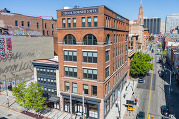
A redevelopment project that used CHAP historic rehabilitation tax credits won an international award last month. Crook Horner Lofts, located at 303 N. Howard Street in the Bromo Tower Arts & Entertainment District, was one of ten projects from across the Americas selected as a winner of the Urban Land Institute's (ULI) 2025 ULI Americas Award for Excellence in a juried competition.
|

The project rehabilitated two late 19th-century commercial structures into 15 large live/work lofts with first-floor commercial space. The project restored historic features in the buildings, such as pressed-tin ceilings, large, exposed columns, and original wood floors, and the name of the development honors the original tenant of the building, the Crook Horner & Co. Plumbing Supply Company. The development team utilized federal, state, and local (CHAP) historic tax credits to transform this vacant property into an asset along the historic Howard Street commercial corridor. Learn more about the project here. Congratulations to the development team on this tremendous honor!
|
 Photos (in order) by: outer building by MPI, inside tour by Downtown Baltimore Partnership, inside by Joel Anderson
Planner Chat: Najahla Olumiji

What area of the city do you serve?
I serve the entire city, but focus efforts on Healthy Food Priority Areas (HFPAs), which have high food insecurity and low access to fresh, healthy foods
How long have you been with DOP?
I have been with DOP since November 2021. I started as a Food Policy Fellow through Baltimore Corps and was promoted to Food Systems Planner in 2022.
What inspired you to pursue a career in city planning?
Many things inspired me from my love of architecture and history to my interest in public health and how people interact with their surroundings. My biggest inspiration is that I come from generations of educators on both sides of my family. While teaching is not for me, I see city planning as a way to teach, learn, and give back to the community.
What are your favorite ways to engage with the community?
I enjoy attending the various events DOP organizes for the community, and also Food Policy's events like Residents Food Equity Advisors and Food PAC. I also enjoy visiting the City's many wonderful urban farms and community gardens.
How do you promote equity as a City Planner?
The foundation of the Food Policy and Planning (FPP) division is promoting equity, especially because the City's HFPAs intersect with the Black Butterfly, predominantly black and historically disinvested neighborhoods. I also lead FPP's urban agriculture work; a majority of the City's farms are Black-founded and/or operated and seek to address the food challenges their neighbors face.
What advice would you give anyone interested in becoming a City Planner?
Reach out to your local planning office and strike up a conversation with a planner! This was an assignment I did during my Master's program at Morgan State. There are many aspects to planning, and many ways to be a planner, so it's good to find out which one works for you.
What actions do you feel are important for residents to take to engage more with city planners and DOP?
DOP has great programs to help residents strengthen their advocacy skills from Planning Academy to Resident Food Equity Advisors. Also, signing up for any our newsletters or listservs is a great way to stay informed or find out something new. I actually found my Baltimore Corps fellowship through a posting in the Compass.
|
Baltimore Planning Academy Applications are Now Open!
Apply by July 18th!
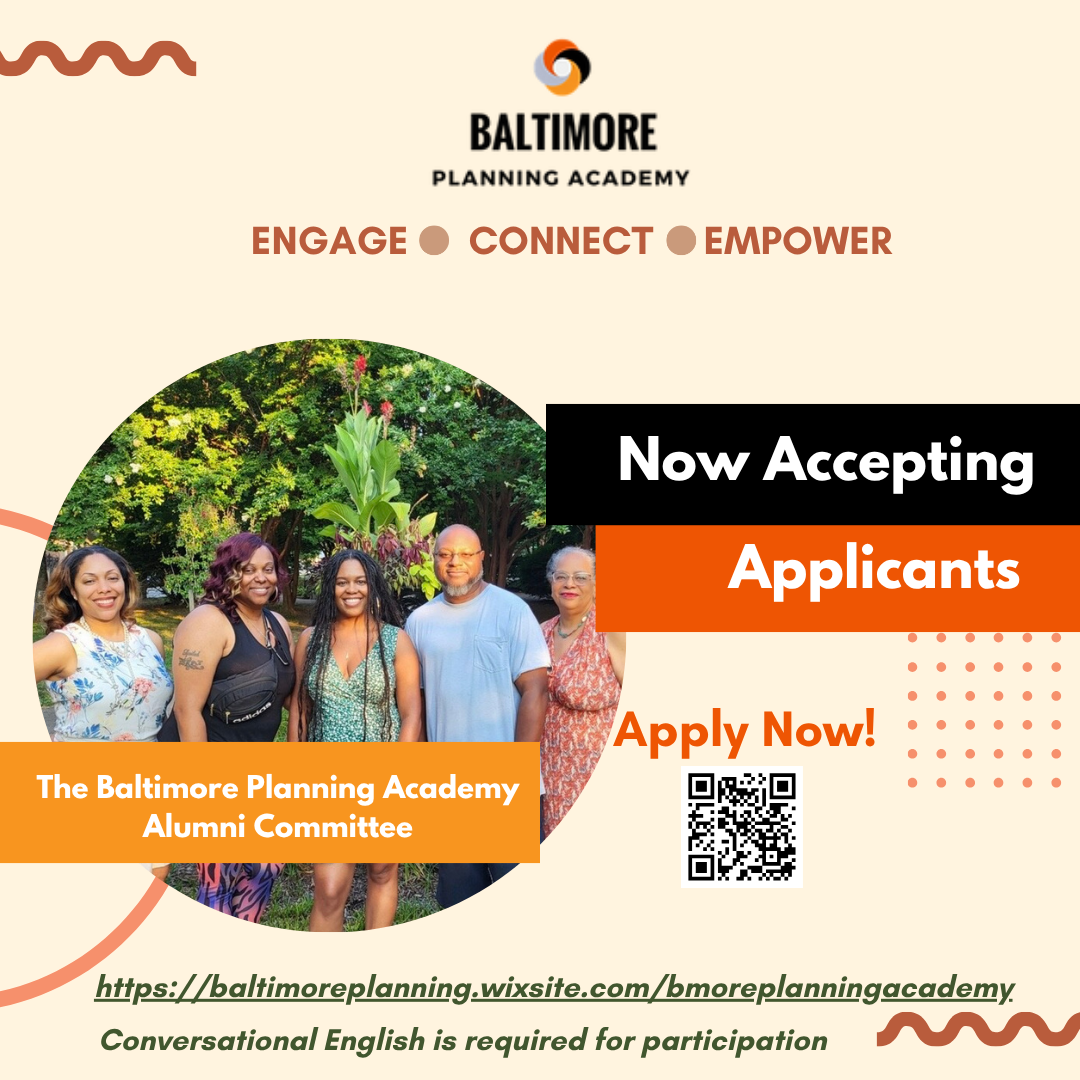 The time is now!! Baltimore Planning Academy applications for our Fall 2025 cohort are now open! Apply to join a network of over 400+ Baltimore City residents passionate about transforming their communities through urban planning, zoning, community development, sustainability, and preservation.
To learn more and apply head to: https://baltimoreplanning.wixsite.com/bmoreplanningacademy
Beating the Baltimore Heat: Staying Safe This Summer
 As summer heats up in Baltimore, the Department of Planning wants to ensure all residents are prepared to stay safe and healthy during periods of high temperatures. Extreme heat can pose serious health risks, especially for vulnerable populations, and it's essential to know how to protect yourself and your loved ones.
Baltimore, like many urban centers, experiences the "urban heat island" effect, where areas with less green space and more concrete and asphalt absorb and retain heat, making them significantly hotter than surrounding areas. This disproportionately impacts some of our most deserving communities. The Department of Planning is actively working to mitigate these effects through initiatives focused on increasing tree canopy, promoting green infrastructure, and fostering more resilient neighborhoods.
However, in the immediate, it's crucial for everyone to take proactive steps to stay cool. The Baltimore City Health Department issues "Code Red Extreme Heat Alerts" when the heat index is forecasted to be dangerously high (typically 105°F or higher). During these times, the city activates its robust network of cooling centers and public services to provide relief.
Here are essential tips to help you beat the heat:
Stay Hydrated: Drink plenty of water throughout the day, even if you don't feel thirsty. Avoid alcohol and excessive caffeine, as they can dehydrate you.
Seek Cool Environments:
-
Utilize Cooling Centers: When a Code Red Alert is issued, numerous cooling centers open across the city, including senior centers, community centers, and some public libraries. These locations offer air conditioning, shade, and often water. You can call 311 or visit the Baltimore City Health Department website for an updated list of cooling center locations and hours.
-
Head to Public Spaces: Malls, museums, and other air-conditioned public buildings can offer a temporary escape from the heat.
-
Stay Indoors: Limit outdoor activity, especially during the hottest parts of the day (typically 11 AM to 4 PM). If your home isn't air-conditioned, consider using fans, taking cool showers or baths, and covering windows with drapes or shades to block out sun.
-
Dress for the Heat: Wear loose-fitting, lightweight, and light-colored clothing.
-
Check on Vulnerable Neighbors: Older adults, young children, individuals with chronic health conditions, and those without air conditioning are particularly susceptible to heat-related illnesses. Please check on them regularly to ensure they are safe and have access to cooling.
-
Never Leave Children or Pets in Cars: Even for a short time, temperatures inside a parked car can quickly become life-threatening.
-
Recognize the Signs of Heat-Related Illness: Be aware of symptoms of heat exhaustion (heavy sweating, weakness, cold/clammy skin, nausea, faintness) and heat stroke (high body temperature, hot/dry/flushed skin, confusion, seizures, unconsciousness). If you suspect someone is experiencing heatstroke, call 911 immediately.
The Department of Planning is committed to building a more resilient and equitable Baltimore, and that includes ensuring our communities can withstand the impacts of a changing climate, like increasing heat. By taking these simple precautions, we can all contribute to a safer and healthier summer for everyone in our city. Stay cool, Baltimore!
Centering Community and Healing: Celebrating BIPOC Mental Health Awareness Month in Baltimore
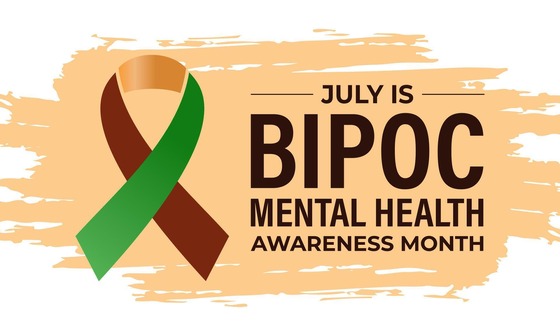 July marks BIPOC Mental Health Awareness Month, a crucial time to acknowledge and address the unique mental health challenges faced by Black, Indigenous, and People of Color communities. This month, we honor the legacy of Bebe Moore Campbell, a tireless advocate who championed mental health equity and brought much-needed attention to the disparities in access and care.
In Baltimore, a city rich in diverse cultures and histories, the need for culturally competent and accessible mental health resources is particularly vital. Systemic racism, historical trauma, economic inequities, and language barriers have disproportionately impacted the mental well-being of BIPOC individuals, leading to higher rates of untreated mental health conditions.
The Baltimore City Department of Planning is committed to fostering a city where mental health is prioritized for all residents. We recognize that equitable access to mental health services is a fundamental component of healthy, thriving communities. Our work seeks to integrate an understanding of these disparities into our urban development and community engagement strategies. This means looking at how our physical environment, access to green spaces, safe and affordable housing, and community programming can either exacerbate or alleviate mental health burdens.
Baltimore is fortunate to have a dedicated network of organizations working to bridge these gaps. Groups like the Black Mental Health Alliance provide culturally relevant educational forums, training, and referral services, supporting the well-being of Black individuals and communities. The Holistic Life Foundation, a BIPOC-led nonprofit, offers mindfulness, yoga, and health initiatives to underserved communities, empowering individuals through holistic approaches to wellness. Organizations like NAMI Metro Baltimore also play a crucial role in providing support groups and education, often with specific outreach to diverse communities.
This month, we encourage all Baltimoreans to:
- Educate yourselves: Learn about the specific mental health challenges faced by BIPOC communities and the historical and systemic factors that contribute to them.
- Support local initiatives: Discover and engage with Baltimore-based organizations that are providing culturally sensitive mental health services and advocating for mental health equity.
- Start conversations: Help destigmatize mental health discussions within your own communities and encourage open dialogue about well-being.
- Prioritize self-care and community care: Recognize the importance of mental health for yourselves and those around you and seek out resources when needed.
By centering community, advocating for equitable access, and fostering a deeper understanding of mental health, we can collectively work towards a Baltimore where every individual, regardless of their background, has the opportunity to achieve mental wellness and thrive.
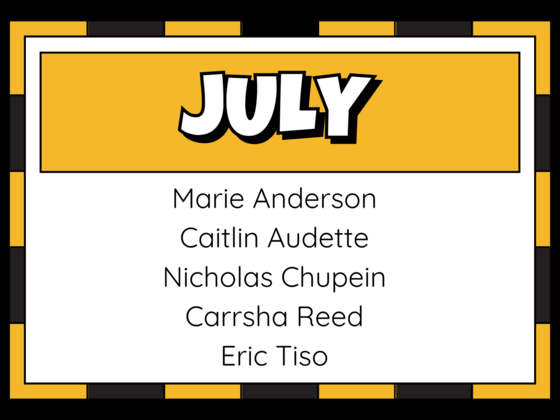
DOP July Birthdays!!
|
Employment Opportunities
 Current Opportunities:
Clean Corps Lead Liaison (Closes August 20)
The Clean Corps Lead Liaison is responsible for conducting routine neighborhood inspections to identify maintenance needs, ensure work quality, and uphold safety standards. This role involves creating detailed work orders, maintaining accurate records, coordinating with field crews, and providing first-line review to ensure efficient service delivery. This position also serves as a liaison between management and staff, supports customer service efforts by responding to resident concerns, and ensures compliance with organizational and safety regulations.
Key Responsibilities:
- Conduct routine field inspections of neighborhoods to assess conditions, identify issues, and prioritize needs. Evaluate the quality of previous work completed by crews to ensure it meets organizational standards. Document deficiencies, hazards, or violations in the field using mobile apps, tablets, or inspection forms.
- Create detailed work orders based on field observations. This includes describing the issue clearly, specifying location using GPS, maps, or addresses, and assigning priority levels. Including, estimating labor, time, and material requirements (if applicable). Submit work orders to the appropriate crews, departments, or contractors for resolution.
- Maintain accurate records of inspections, work orders issued, and jobs completed. Generate and submit daily or weekly reports summarizing field activities, issues found, and progress made. Take photos or videos for documentation and before/after comparisons.
- Provide crew coordination and support to program managers. Act as a liaison between field crews and management. Clarify work order details with crew leads. Communicate any on-the-ground conditions or changes. Reassign or reprioritize tasks as needed. Follow up with crews to ensure timely completion of work orders.
- As a liaison the incumbent will serve as a first line liaison responsible for scheduling, directing, training, and support personnel performing the work. Reviews crews’ written reports for accuracy and completeness. Ensures crews maintain proper care of uniforms, equipment, and supplies. Ensure personnel report for duty on time and that shifts are staffed appropriately.
- Ensure all field conditions and work meet safety standards and municipal or company regulations. Report unsafe conditions or urgent issues to emergencies or specialized teams. Provide customer service. Occasionally respond to complaints or service requests from residents. Provide updates to residents applicable. Performs other related work as required.
Watershed Planning Analyst, Contract (Closes July 23)
The Baltimore City Department of Planning, Office of Sustainability, is seeking a qualified individual to fill a contractual role to facilitate the creation of two Watershed Master Plans for Baltimore City. The Watershed Master Plans will cover the Baltimore Harbor and Gwynn Falls 8-digit watersheds in alignment with the City’s mission to holistically address flooding. These plans will serve as a guide to decision-making for current and future land use and development.
Key Responsibilities:
- Serve as lead author and contribute to production of the Baltimore Harbor and Gwynn Falls Watershed Master Plans.
- Conduct public outreach through information and education activities to familiarize partners, stakeholders, and citizens with the watershed planning process.
- Create a watershed inventory through gathering data related to physical and natural features, land use and population characteristics, waterbody conditions, pollutant sources, and waterbody monitoring data.
- Examine existing data quality and identify any gaps.
- Coordinate input from residents, stakeholders, technical experts and public agencies to establish measurable targets and indicators to assess progress.
- Develop an implementation plan that turns goals and objectives into specific tasks including a timeline and agencies/organizations responsible for implementing the activity.
Find more City opportunities at the link below.
Employment Opportunities
|