Dear Beyond Recycling Readers,
Did you know that the U.S. Environmental Protection Agency (EPA) reports that only about 20% - 30% of consumer batteries are recycled properly? With the high temperatures of summer, the likelihood of fires caused by improperly disposed batteries increases. In today’s Beyond Recycling: Special Edition, we’ll discuss various types of batteries and how to dispose of them properly.
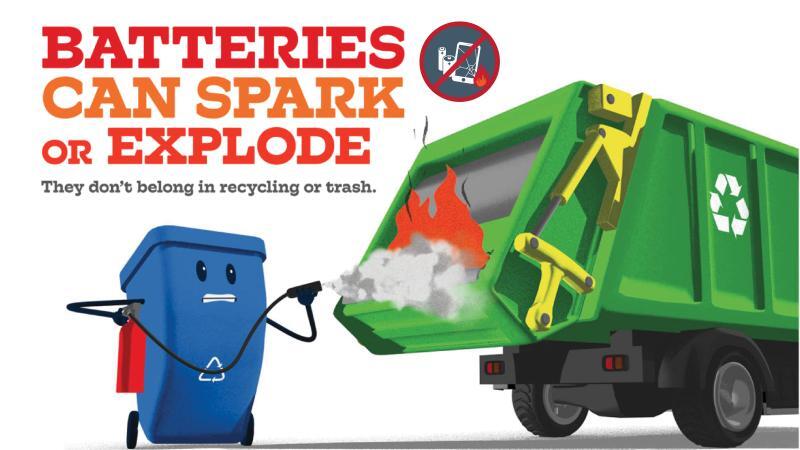
Improper battery disposal causes serious hazards to DPW staff and waste facilities. Batteries discarded in your trash or recycling can cause fires in waste facilities, recycling centers, and garbage trucks, resulting in endangered lives and costly damages. We can protect people, property, and the environment by taking simple steps to dispose of batteries correctly. Please remember: Do not put batteries in your trash can or recycling cart!
Your role in proper battery disposal is crucial to protecting our environment. When batteries enter landfills, their metals can seep into the ground and water, creating pollution hazards and putting people at risk. By recycling batteries, you're conserving natural resources, reducing the need for new materials, and lowering energy consumption and pollution.
Thank you for your continued recycling efforts in Baltimore City.
The Office of Waste Diversion
Baltimore City Department of Public Works
-
Single-Use: Can be removed from the device when it stops powering.
-
Rechargeable: May be removable or permanently attached.
-
Batteries are manufactured using chemical elements and can contain metals such as mercury, lead, cadmium, nickel, and silver.
-
Battery types are identified by marking and labeling, not by shape or color.
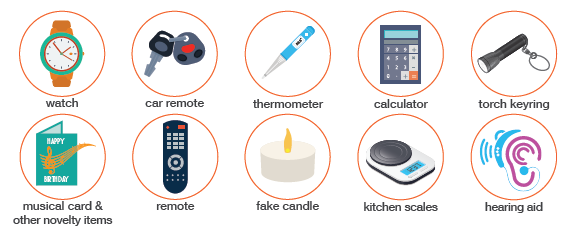
Batteries are found in many household items you might not expect:
-
Musical greeting cards
-
Car key fabs
-
Thermometers
-
Digital Watches
-
Digital Blood pressure monitor
-
Smart Thermostats
-
Handheld game consoles
Safe Handling Tips
-
Bag it or tape it: Place each battery in a separate plastic bag, or apply non-conductive tape (e.g., electrical tape) over the battery’s terminals.
-
Look for damaged batteries: If you see a swollen or bulging battery, immediately put it in sand or kitty litter and place it in a cool, dry area until you can bring it to a residential drop-off center.
-
Store batteries in a cool, dry place: Incidents can occur when batteries (or the devices they power, such as a cellphone or tablet) are exposed to moisture or warm temperatures. Store batteries in a plastic container, not metal or cardboard.
-
Drop them off within six months: Old batteries should not be stored longer than six months.
Local Disposal and Recycling Options
-
DPW Household Hazardous Waste (HHW) Collection: All household batteries are accepted but must be removed from devices. HHW days are the first Friday and Saturday of each month from April – October at the Sisson Street Residential Drop-Off Center.
- Electronics Recycling: Both removable and non-removeable batteries are accepted. Batteries must be left in electronic device. Residents can recycle electronics at all five of our Residential Drop-Off locations.
-
Recycling Centers: The Call2Recycle website can help you find nearby locations that accept batteries and small electronics for drop-off recycling.
Single-Use Batteries
 |
|
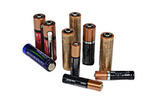
Everyday batteries (including 9 -Volt, AA, AAA, C, and D) used in alarm clocks, calculators, flashlights, TV remote controls, radios, remote-control products, children’s toys, and other items can be recycled during the DPW Household Hazardous Waste Drop-Off collections at the Sisson Street Drop-Off Center or with Electronics Recycling at any Residential Drop-Off Center if left in the device. |
 |
|
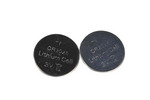
Button cell batteries are commonly used in products such as watches, hearing aids, car keyless entry remotes, medical devices, and calculators. They can be recycled during Household Hazardous Waste (HHW) collections at the Sisson Street Drop-Off Center or with Electronics Recycling at any Residential Drop-Off Center if left in the device. |
 |
|
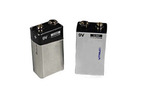
Lithium single-use batteries are used in products such as cameras, watches, remote controls, handheld games, and smoke detectors. If damaged or the terminal ends touch, a lithium battery may spark and cause fires. They can be recycled with HHW at the Sisson Street Drop-Off Center or with Electronics Recycling at any Residential Drop-Off Center if left in the device. |
Rechargeable Batteries
 |
|
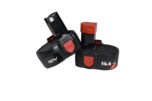
Rechargeable batteries are commonly found in cellphones, power tools, digital cameras, laptops, children’s toys, e-cigarettes, small and large appliances, tablets, and e-readers. If the battery is removed, it can be recycled with HHW at the Sisson Street Drop-Off Center or with Electronics Recycling at any Residential Drop-Off Center if left in the device. |
Automotive Batteries
 |
|
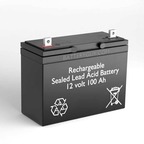
Lead-acid batteries may contain up to 18 pounds of lead and about one gallon of corrosive lead-contaminated sulfuric acid. They can be found in automobiles, boats, snowmobiles, motorcycles, golf carts, all-terrain vehicles, wheelchairs, and other large vehicles. They may also be used in non-automotive situations, such as back-up power in basement sump pumps. They can be recycled with HHW at the Sisson Street Drop-Off center. |
For Trash Collection Inquiries: 410.396.3367 or 410.396.9950
For Graffiti Removal or Rat Abatement: 410.396.1023
For Household Hazardous Waste: 410.396.7250
For Recycling Collection: 410.396.5671
For Street Sweeping: 410.396.1300
|