The
Equifax breach has affected 143 million Americans, and at least half of
Maryland’s population, if not more. Many consumers are wondering what they
should do to protect from further damage in light of this massive data breach. While
Equifax is offering a free credit monitoring service to consumers affected, many
are wondering if that will help. Check out our guide on what the biggest
differences are between credit monitoring and credit freezing, and what steps
you should take to protect your identity.
What is credit monitoring?
Generally,
credit monitoring services alert you of any changes in your credit report. This
can be a useful service for quickly detecting unauthorized activity, which is
often a sign of identity theft. Many credit monitoring services also offer some
form of identity theft insurance or victim assistance. One thing to keep in
mind: credit monitoring services can still allow access to your credit files by
both legitimate creditors and fraudulent imposters.
Will credit monitoring keep me safe
from identity theft?
It could.
Monitoring your credit reports can alert you to an identity thief attempting to
open new accounts, such as credit cards, in your name. Often you are alerted
before the account is actually opened.
If I sign up for credit monitoring,
am I still at risk?
Credit
monitoring may not protect you from many common forms of identity theft. Monitoring your credit reports will not
protect your existing financial accounts from fraud. You may also still be
vulnerable for other common forms of fraud, such as tax-related identity theft.
What should I keep in mind if I
sign up for credit monitoring?
Treat
credit monitoring services with the same importance that you’d treat other
financial or insurance products: read the fine print, ask questions, and shop
around.
I found out that my information was
compromised, what’s the best strategy to protect myself?
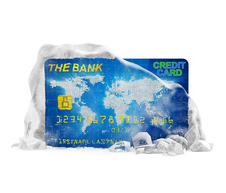
A credit
freeze – at all three credit reporting agencies – is the best way to prevent
identity thieves from opening new accounts in your name. A credit freeze blocks
access to your credit files and is extremely effective in preventing fraudulent
accounts from being created. In Maryland, placing a credit freeze will be free
after October 1, 2017.
How long does a credit freeze last?
Credit
freezes last until you remove them.
What else do I need to know about
credit freezes?
You will
receive a PIN code to unfreeze your credit report. It’s important to keep track
of the PIN codes for when you need to lift or remove your credit freeze.
Consumers
should be aware that there are fees to temporarily “thaw” or lift the freeze
for a credit report if the consumer needs
to apply for credit, rent an apartment, or engage in another transaction in
which the credit
report needs to be reviewed. The fee for temporarily thawing a credit report is
$5 for each
credit bureau, but creditors generally only need to review one bureau’s report.
Consumers
who are actively seeking credit to buy a new home or car may want to wait
before placing a freeze on their credit
reports.
Both credit freezes and temporary
thaws are free for victims of identity theft who have a police report.
Should I sign up for the free
credit monitoring? Or, should I freeze
my credit?
Yes – as
long as you understand the risks and limitations of credit monitoring. Pairing credit freezes with free monitoring
can be a good strategy to both prevent and check for identity theft.
The Office
of Attorney General recommends consumers take the following steps:
-
Check
your credit reports from all three of the major credit reporting agencies:
Equifax, Experian, and TransUnion. Reports can be obtained for FREE by visiting
www.annualcreditreport.com. Unrecognizable accounts or activity
could indicate identity theft.
-
Place
a credit freeze on your files. A credit freeze makes it harder for someone to
open a new account in your name. Keep in mind that credit freezes must be
obtained from each of the credit reporting agencies. Effective October 1, 2017,
credit freezes are free of charge from each credit agency for Marylanders. A
credit freeze won’t prevent a thief from making charges to your existing
accounts, such as debit and credit cards. Parents or guardians of minor
children may also place a credit freeze on behalf of their child. For more
information on how to obtain a credit freeze, please visit
http://www.marylandattorneygeneral.gov/Pages/IdentityTheft/freezing.aspx
- Monitor
your existing credit card and bank accounts closely for changes you do not
recognize.
-
Visit
www.identitytheft.gov/databreach to learn more.
Download
our Identity Theft Guide for more information
on credit monitoring and credit freezing, and other tips to protect your
identity.
|