Helpful Info: What to Do Before the Tropical Storm or Hurricane. Tips from NOAA & the CDC
Planning for hurricane season and other potential disasters can be stressful, and because the 2020 hurricane season comes during the coronavirus disease 2019 (COVID-19) pandemic, it may be especially so. Public health and emergency response professionals have advice to help you safely prepare, evacuate, and shelter for severe storms while protecting yourself and others from COVID-19. Here are some tips to help you and your family stay safe during hurricane season this year.
Prepare!
Understand that your planning may be different this year because of the need to protect yourself and others from COVID-19.
Give yourself more time than usual to prepare your emergency food, water, and medicine supplies. Home delivery is the safest choice for buying disaster supplies; however, that may not be an option for everyone. If in-person shopping is your only choice, take steps to protect your and others’ health when running essential errands. Put together a basic emergency kit. Check emergency equipment, such as flashlights, generators and storm shutters.
Include items that can help protect you and others from COVID-19, such as hand sanitizer with at least 60% alcohol, bar or liquid soap, disinfectant wipes (if available) and two masks for each person. Masks should not be used by children under the age of 2. They also should not be used by people having trouble breathing, or who are unconscious, incapacitated, or unable to remove the mask without assistance.
Protect yourself and others when filling prescriptions by limiting in-person visits to the pharmacy. Sign up for mail order delivery or call in your prescription ahead of time and use drive-through windows or curbside pickup, if available. Be sure to have necessary personal items stocked.
Pay attention to local guidance about updated plans for evacuations and shelters, including shelters for your pets. Make a plan and prepare a disaster kit for your pets. Find out if your disaster shelter will accept pets. Typically, when shelters accommodate pets, the pets are housed in a separate area from people.
When you check on neighbors and friends, be sure to follow social distancing recommendations (staying at least 6 feet from others) and other CDC recommendations to protect yourself and others
Write or review your Family Emergency Plan: Before an emergency happens, sit down with your family or close friends and decide how you will get in contact with each other, where you will go, and what you will do in an emergency. Keep a copy of this plan in your emergency supplies kit or another safe place where you can access it in the event of a disaster. Start at the Ready.Gov emergency plan webpage.
Review Your Insurance Policies: Review your insurance policies to ensure that you have adequate coverage for your home and personal property.
Understand NWS forecast products, especially the meaning of NWS watches and warnings.
 |
|
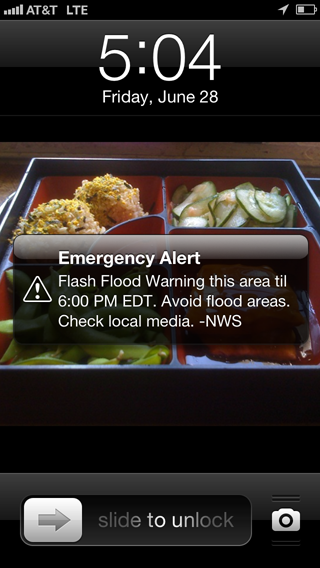
Know a safe place to shelter and have several ways to receive weather alerts, such as National Weather Service cell phone alerts (pictured left), NOAA Weather Radio, or @NWS Twitter alerts and by texting LABAKER UPDATES to 468311.
Please, stay informed and follow guidance from your local public health or emergency management officials on when and where to shelter and remember to both talk to the people you plan to stay with about how you can all best protect yourselves from COVID-19 as you weather any storms that occur this hurricane season.
|
|