One of the things I’ve been thinking about a lot lately is momentum.
Not the loud, flashy kind that dominates headlines for a week and disappears — but the quieter kind that builds over time when people keep showing up for their neighborhoods, their parks, their small businesses, and one another.
I see that momentum all across District 8 right now.
I see it in projects like the Woodford Greenway, where years of neighborhood advocacy are finally becoming visible progress. I see it on Bardstown Road, where new businesses continue opening and people continue choosing to spend time in one of Louisville’s most vibrant corridors. I see it in creative community events like SlabFest that invite residents not just to attend something, but to help shape the future of public spaces together.
And I see it in the work happening across Louisville’s parks system under the leadership of this month's Highlands Hero Jason Canuel and the Metro Parks team. Investments in parks, trails, accessibility, and public spaces are about much more than recreation. They are investments in public health, neighborhood connectivity, community safety, and quality of life. In a growing city, parks become some of the most important places we share together.
What gives me optimism is that more and more people seem willing to engage in the hard work of collaboration instead of retreating into cynicism. The best ideas rarely come from one institution acting alone. They emerge when residents, nonprofits, businesses, advocates, and government work together long enough to build trust and momentum.
That work can be messy. It can be slow. But it’s how durable progress actually happens.
As always, thank you for the opportunity to serve this community. I continue to believe deeply that local government can be a platform for bringing people together to solve problems collaboratively and creatively. And thank you to everyone who keeps showing up to help move Louisville forward.
As always, don't forget to read to the end for the punchline to this month's dad joke: Why did the gardener love Bardstown Road?
Building a More Compassionate Crisis Response System
Louisville is taking an important step forward in how we respond to mental health crises.
This summer, a new mental health crisis center is expected to open downtown, creating a place where people experiencing a behavioral health or substance use crisis can receive care, stabilization, and connection to longer-term support — instead of ending up in an emergency room or jail.
Metro Council approved $1.15 million to help launch the effort, and Seven Counties Services will operate the center with the goal of eventually providing 24/7 access. The center will allow both walk-ins and first responder drop-offs, helping create a more compassionate and effective response system for our community.
After the tragic death of Katelyn Hall earlier this year, many in our city have been asking hard questions about how we support people in crisis. While no single program is a complete solution, this is the kind of practical investment that can save lives, reduce strain on our emergency systems, and help connect people to care earlier.
I believe deeply that public safety and public health are connected. If we want safer streets, fewer emergency interventions, and healthier communities, we need to build systems that treat mental health and substance use challenges with seriousness, dignity, and evidence-based care.
This work also reflects something I hear consistently across Louisville: people want systems that work better together. That means collaboration between healthcare providers, Metro Government, first responders, neighborhood organizations, and community advocates. The best solutions are the ones that recognize the humanity of the people closest to the problem.
I’m grateful to everyone who has pushed for this for years — including advocates, providers, and citizen-led community organizations — and I’m hopeful this is an important step toward a more responsive and compassionate city.
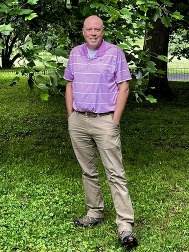
This month’s Highlands Hero is Jason Canuel, Director of Louisville Metro Parks and Recreation.
If you’ve noticed more energy, investment, and momentum around Louisville’s parks in recent years, there’s a good chance Jason has had something to do with it.
Jason has spent years working inside Louisville Metro Parks helping oversee everything from deferred maintenance and capital improvements to long-term planning and community engagement efforts. Under his leadership, Louisville has seen major investments in parks, trails, pools, playgrounds, accessibility improvements, and neighborhood public spaces across the city. That work is especially visible in Cherokee and Tyler Parks, two places that mean a great deal to District 8. They are gathering places, landmarks, and part of the fabric of daily life in the Highlands. Caring for them means more than maintenance alone — it means protecting spaces that hold memories, routines, and a strong sense of community.
What I especially appreciate about Jason’s approach is his understanding that parks are about much more than recreation. Parks are public health infrastructure. They are economic development assets. They are gathering places. They are community spaces where kids play, neighbors connect, and families build memories together.
He also consistently emphasizes the importance of listening to communities directly when shaping park investments — whether through public engagement around pool redesigns, neighborhood park improvements, or projects like the Woodford Greenway.
District 8 benefits enormously from great parks and public spaces, and those spaces only thrive because of the people willing to steward and improve them over the long term.
Thank you, Jason, for your leadership, partnership, and commitment to helping make Louisville truly a “City of Parks.”
Building Connections: Progress on the Woodford Greenway
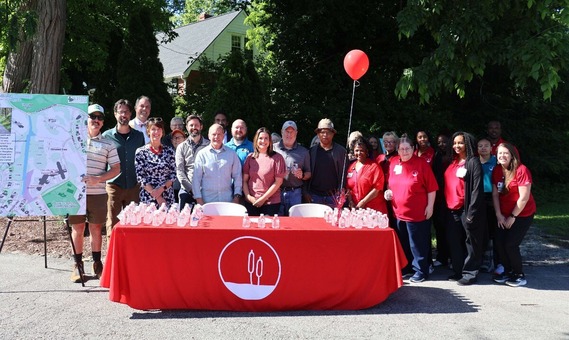
One of the most exciting developments in District 8 is the continued progress toward the Woodford Greenway — and recently we celebrated a major milestone that brings the project one step closer to reality.
This effort has been years in the making and reflects the work of an incredible coalition of neighbors, advocates, organizations, and public servants working together around a shared vision for a more connected Louisville.
A huge thank you to Cherokee Park Rehabilitation for the generous three-quarter-acre land donation that made this next phase possible. That donation helps create a critical connection between Woodford Place, Cherokee Park, and the Douglass Community Center while adding nearly two acres of public greenspace and walkability to the area.
This project also would not exist without the sustained leadership and advocacy of the Highlands-Douglass Neighborhood Association, whose neighborhood plan has included this vision since 2006. HDNA members and volunteers helped organize support, raise more than $25,000 for trail construction, and keep momentum alive over many years of planning and partnership-building.
I’m also grateful for the partnership of Louisville Metro Parks and Recreation, Olmsted Parks Conservancy, Louisville Metro Public Works and Transportation, and the many community volunteers who contributed time, expertise, and energy to move this from idea to implementation. Metro Transportation is now designing a safer crosswalk at Park Boundary Road, funded through a partnership between our office and HDNA.
One of the most meaningful aspects of this project is the impact it will have on kids and families. For the first time, children attending summer camps at the Douglass Community Center will be able to safely walk to Cherokee Park without needing to take a bus the short distance between the two spaces. Neighbors, rehabilitation residents, visitors, and families will also have safer opportunities to access parks and community spaces without needing to drive.
Projects like this remind me what is possible when residents, nonprofits, institutions, and government work together patiently and collaboratively. The Woodford Greenway is about more than a trail. It’s about connectivity, public health, accessibility, sustainability, and creating neighborhoods where people can move safely and feel connected to one another.
This is exactly the kind of community-centered investment that helps Louisville grow stronger over time.
A Conversation About the Momentum on Bardstown Road
Last week I was proud to represent the district at the Louisville Forum. One of the themes that came through clearly during the discussion on the Bardstown Road corridor is this: Bardstown Road is on the come up.
Yes, there are real challenges we continue working through around noise, traffic, public safety, housing pressures, and balancing nightlife with neighborhood quality of life. But stepping back, it’s also important to recognize what’s happening here: people want to be on Bardstown Road.
New businesses are opening. Restaurants and music venues are investing. Sidewalks are busy. Neighborhood organizations are engaged. People are choosing to live, work, gather, and spend time in this corridor because it remains one of the most vibrant and authentic places in Louisville.
That energy matters.
Cities have struggling with vacant commercial corridors and declining neighborhood activity and after years of heroic effort, it feels like we're reversing that trend. That's why I'm calling for a strategic planing process, building on the great work that has already been done, to help us chart our own future in a thoughtful way engaging all of our stakeholders.
At the Louisville Forum, I appreciated hearing perspectives from residents, business owners, advocates, and public safety officials who all care deeply about the future of the corridor. While there are disagreements about tactics, there was broad agreement that nobody wants to lose what makes Bardstown Road special.
And what makes it special is not just nightlife or commerce — it’s the ecosystem. Independent businesses. Walkability. Music. Density. Parks. Coffee shops. Housing. Weirdness. Creativity. Community. The feeling that you can run into your neighbors while also meeting someone completely new.
The work ahead is making sure we invest in the infrastructure and public spaces needed to support that growth responsibly: safer streets, cleaner corridors, better transit connections, housing options at multiple price points, and systems that address mental health and substance use challenges compassionately and effectively.
The future of Bardstown Road shouldn’t be about preserving it in amber. It should be about helping it evolve while protecting the things people love most about it.
That’s the work in front of us — and I’m optimistic about where we’re headed.
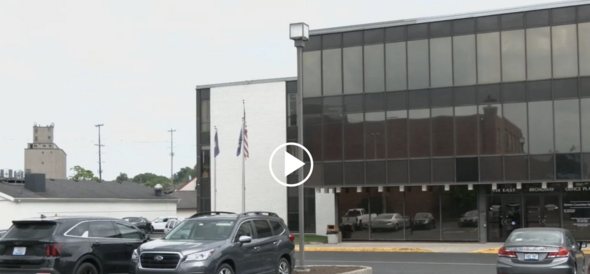
You can watch the full Louisville Forum discussion here.
One of the things I love most about local government is getting to see neighbors imagine something better together — and then actually build it.
That’s exactly what SlabFest represents.
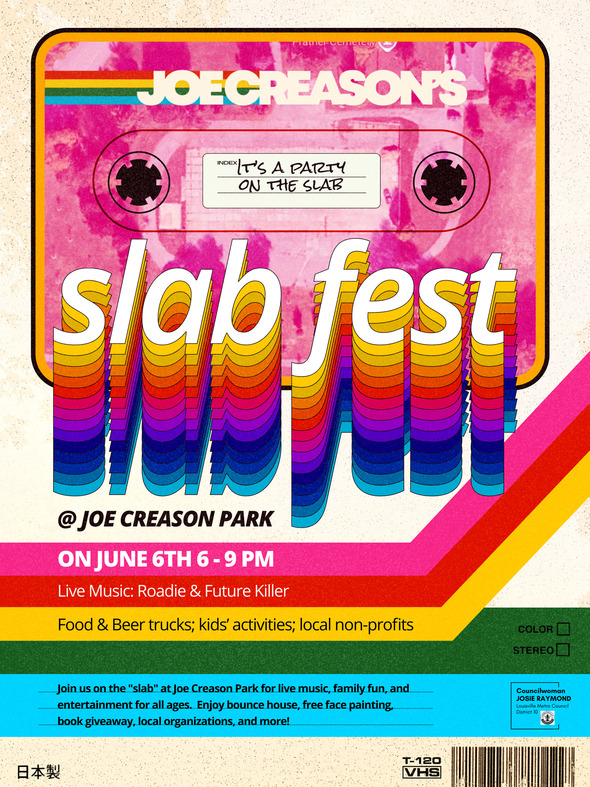
On Saturday, June 6, neighbors, community groups, Metro Parks, and local leaders will gather at Joe Creason Park for an evening of music, food trucks, family activities, and community conversation centered around the future of the “slab” space in the park. What started as a creative neighborhood idea has become a genuinely exciting example of how community engagement should work.
Huge shout out to Councilwoman Josie Raymond and the ZooLou community for making this happen. Josie’s office didn’t just organize an event — they created a welcoming space for people to connect, share ideas, and shape the future of a public space together.
And importantly: this won’t just be a festival people attend — it will be a chance for neighbors to directly help shape what comes next for the site.
The Parks Alliance and Metro Parks will be conducting hands-on community engagement throughout the event focused on the future of the slab area, including ideas for a pavilion and future site improvements. Instead of asking residents to show up to a formal hearing on a weekday evening, they’re bringing the planning process directly into a community gathering where families, neighbors, and park users already are. That means interactive opportunities to share ideas, provide feedback, and help prioritize what the community wants to see in the space moving forward.
That kind of engagement matters. The best public spaces are created with communities, not simply for them.
This is also a reminder that investment in parks and public spaces is about more than infrastructure. It’s about creating places where people feel connected to one another and to the city they live in. Those connections are part of what makes neighborhoods resilient, vibrant, and safe.
Gardening Workshops and Community Learning at Farmington
One of the things that makes Louisville special is the number of people willing to share their knowledge, passions, and skills with their neighbors — and our local gardening community is a great example of that spirit.
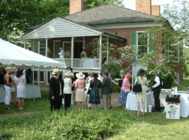
This year, Farmington Historic Plantation is hosting a series of gardening workshops and nature classes presented by the Jefferson County Master Gardeners Association. From practical gardening tips to opportunities to learn more about native plants, sustainability, and the ecosystems around us, these workshops are a great way for both new and experienced gardeners to connect with the community and spend time outdoors.
Programs like these help build stronger neighborhoods, encourage stewardship of our shared spaces, and create opportunities for people of all ages to learn together. Especially at a time when many of us are looking for ways to feel more connected — to nature and to one another — these kinds of community-centered educational opportunities matter. This is also why we need to fund programs like the Jefferson County Soil and Water Extension office. When people understand how food is produced and have the knowledge to produce it themselves, it changes the conversation about health, both mental and physical.
I’m grateful to the Jefferson County Master Gardeners Association and the team at Farmington for continuing to invest in hands-on learning and public programming here in District 8.
You can find schedules, registration information, and additional details at: • Farmington Historic Plantation: www.visitfarmington.org • Jefferson County Master Gardeners Association: www.jcmgaky.org
Hope to see some D8 neighbors out in the gardens this season.
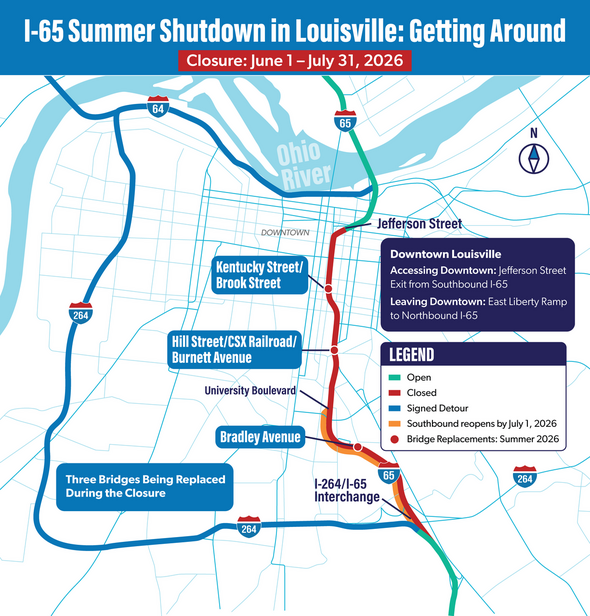
Starting June 1 through August 1, I-65 will be closed between the Watterson Expressway (I-264) and downtown to allow for major bridge replacements along the corridor.
This is a significant disruption—no way around that—but it’s also a necessary investment in infrastructure that will serve our community for decades to come. The project will replace aging bridges, improve safety, and modernize key connections through the heart of our city.
In the meantime, expect detours, increased traffic on I-264, and shifts in how we move in and out of downtown. Planning ahead and giving yourself extra time will go a long way.
Big projects like this are about balancing short-term inconvenience with long-term benefit. We’ll keep sharing updates and making sure you have the information you need to navigate it.
Because the corridor was really starting to grow on him.
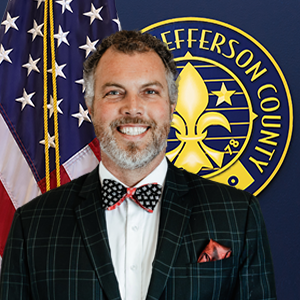
Councilmember Ben Reno-Weber | Louisville Metro Council | District 8
601 West Jefferson Street, Third Floor
Louisville, Kentucky 40202
You are receiving this email because you have had communication with our office in the past. If you would like to be removed from our email list, please follow the Unsubscribe instructions below.